
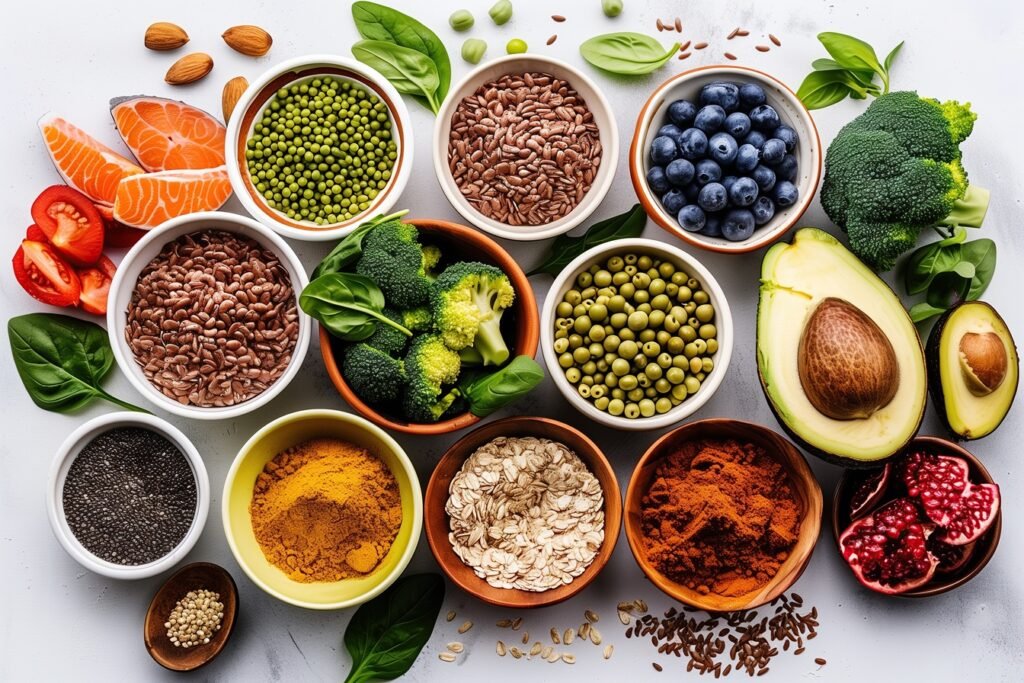
Quick Answer: Whole food superfoods are nutrient‑dense, minimally processed foods—think kale, blueberries, quinoa, nuts and seeds—that deliver vitamins, minerals and antioxidants. Including them in your diet boosts energy and supports long‑term health with real examples like swapping white rice for quinoa or snacking on almonds instead of chips.
Why This Happens: A diet high in ultra‑processed foods lacks fiber and phytonutrients. When you replace processed snacks with whole fruits, vegetables and whole grains, your body gets the micronutrients it needs to maintain energy, immunity and digestion.
How To Fix It:
- Add one serving of leafy greens (e.g., spinach or kale) to your daily meals.
- Swap refined grains like white rice or pasta for nutrient‑dense options such as quinoa, farro or brown rice.
- Incorporate berries and nuts as snacks to boost antioxidants and healthy fats.
- Stay hydrated and listen to your body’s response to different whole foods.
- Plan weekly meals in advance to include a colorful variety of vegetables, fruits and legumes.
In This Article
- Practical Steps for Superfood, Nutrition
- How to Apply Superfood, Nutrition Without Guesswork
- Match the method to the goal
- Common Mistakes to Avoid
- Practical Next Steps
- People Also Ask
- What is Superfood, Nutrition and why does it matter?
- How do you get started with superfood, nutrition?
- What are common mistakes with Superfood, Nutrition?
Practical Steps for Superfood, Nutrition
Most people start Superfood, Nutrition by changing everything at once—and burn out fast. Superfood, Nutrition works when you anchor to one controllable meal, repeat it for a week, and measure how you feel. Then you layer the next simple win and keep the rest boring. The goal isn’t novelty; it’s momentum you can trust. We’ll lean into the ideas behind 'Practical Steps for Superfood, Nutrition' and turn them into steps you can follow today.
How to Apply Superfood, Nutrition Without Guesswork
Strong results with superfood, nutrition come from matching the method to the actual goal, checking the most important conditions first, and adjusting one part of the process at a time. The reliable pattern is simple: define the result, choose a repeatable starting method, measure what changes, and correct the weakest point before adding more complexity.
Match the method to the goal
Before choosing a more advanced approach, compare setup time, cost, maintenance needs, and the most likely failure point. A beginner-friendly method that can be repeated consistently is usually more valuable than a complicated method that is difficult to monitor or troubleshoot.
Common Mistakes to Avoid
The most common mistake is changing too many variables at once. That makes it hard to know what actually improved the result. Keep notes, adjust one factor at a time, and confirm the outcome before moving to the next change.
Practical Next Steps
- Choose the simplest method that fits the goal behind superfood, nutrition.
- Track one or two measurable results so progress is clear.
- Correct the most obvious weak point before adding tools or complexity.
- Review the outcome after a short test period and refine the process.
Popular Questions
What is Superfood, Nutrition and why does it matter?
Start by checking the most likely failure point in Practical Steps for Superfood, Nutrition before changing everything at once. Review the setup, confirm the core inputs are correct, and look for one clear symptom that tells you where the problem begins. Make a single correction, test the result, and write down what changed so you can tell whether the fix actually worked. This method is slower than guessing, but it leads to cleaner and more repeatable improvements.
How do you get started with superfood, nutrition?
Start with a small beginner setup, follow a proven checklist, and keep simple notes as you learn. Once you can repeat your results consistently, expand your system or add more advanced techniques.
What are common mistakes with Superfood, Nutrition?
Common mistakes include skipping the basics, changing too many variables at once, and not measuring results. Make one change at a time and give it enough time to see what actually helped.