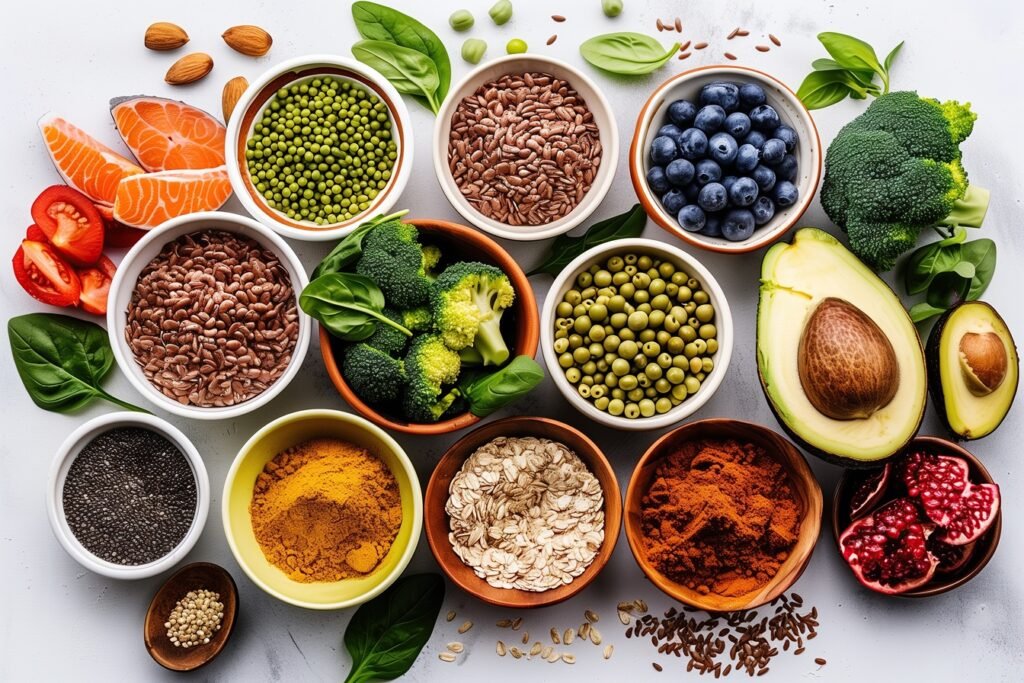
Superfoods that support endurance and physical performance include quinoa, sweet potatoes, blueberries, spinach, and chia seeds. These foods are rich in essential nutrients like complex carbohydrates, antioxidants, and healthy fats, which enhance energy levels, reduce inflammation, and improve recovery times.
Understanding how these superfoods work is crucial for optimizing physical performance. For instance, quinoa provides a complete protein source, essential for muscle recovery and growth. Sweet potatoes are packed with carbohydrates that replenish glycogen stores, vital for sustained energy during prolonged activities. Antioxidants found in blueberries help combat oxidative stress caused by intense workouts, while spinach offers iron, crucial for oxygen transport in the body. Including these foods in your meals can create a balanced diet that supports endurance activities effectively.
Many athletes overlook the importance of nutrient timing and food combinations. For example, consuming a meal rich in carbohydrates and protein shortly after a workout can enhance recovery and muscle synthesis. Additionally, pairing foods like spinach with vitamin C-rich sources, such as citrus fruits, can improve iron absorption. Recognizing these nuances can lead to better performance outcomes and quicker recovery.
The Role of Carbohydrates in Endurance
Carbohydrates are the primary fuel source for endurance athletes. Foods like sweet potatoes and quinoa are excellent sources that provide sustained energy. They help maintain blood sugar levels during prolonged exercise, preventing fatigue. Including a variety of carbohydrate sources in your diet can enhance overall performance.
Choosing the right kind of carbohydrates is vital. Complex carbohydrates, such as those found in whole grains, provide a slow release of energy, while simple sugars can lead to quick spikes and drops in energy levels. Athletes should aim to include a mix of both types to optimize their energy availability throughout their training and competitions.
One common mistake is neglecting to replenish carbohydrate stores post-exercise. This can lead to decreased performance in subsequent workouts. Prioritizing carbohydrate intake after training sessions can counteract this issue and support effective recovery.
Antioxidants and Recovery
Antioxidants play a crucial role in recovery by mitigating oxidative stress caused by intense physical activity. Foods rich in antioxidants, like blueberries and spinach, help reduce inflammation and muscle soreness. These superfoods support a faster recovery process, allowing athletes to train more effectively.
Incorporating a variety of colorful fruits and vegetables into your meals enhances your antioxidant intake. Each color typically represents different phytochemicals, which contribute to various health benefits. Athletes should focus on a rainbow of produce to ensure they receive a broad spectrum of antioxidants.
One common oversight is relying solely on supplements for antioxidants. Whole foods provide additional nutrients and benefits that supplements often lack. Prioritizing whole food sources can lead to better health outcomes and improved athletic performance.
The Importance of Healthy Fats
Healthy fats are essential for maintaining energy levels during endurance activities. Foods such as avocados, nuts, and chia seeds are great sources of healthy fats, which provide concentrated energy and support overall health.
Incorporating healthy fats into your diet can also aid in the absorption of fat-soluble vitamins, which are crucial for optimal performance. Balancing your intake of fats with carbohydrates and proteins can enhance overall dietary quality, leading to improved endurance and performance.
A common mistake is avoiding fats altogether, fearing they may lead to weight gain. However, healthy fats are a necessary part of a balanced diet and can enhance performance when consumed in moderation. Athletes should focus on the quality and source of their fats rather than eliminating them entirely.

Nutrient Timing for Optimal Performance
Nutrient timing refers to when you consume specific nutrients to maximize athletic performance and recovery. Consuming carbohydrates and protein shortly after workouts can significantly enhance recovery and muscle repair. Foods such as a smoothie with bananas and protein powder can be an effective post-workout choice.
Understanding your body’s needs during different training phases is essential. Pre-workout meals should focus on easily digestible carbohydrates to provide quick energy, while post-workout meals should emphasize protein and carbohydrates for recovery. Tailoring your meals to your training schedule can enhance performance outcomes.
One common error is overlooking hydration during nutrient timing. Staying properly hydrated is crucial for nutrient absorption and overall performance. Athletes should prioritize fluid intake alongside their meals to optimize recovery and performance.
Further Reading
Authoritative Sources
- Nutritional Strategies for Endurance Athletes
ncbi.nlm.nih.govThis resource provides an in-depth look at nutritional strategies specifically for endurance athletes, focusing on superfoods and their benefits
- The Role of Antioxidants in Recovery
sciencedirect.comExplore how antioxidants aid in recovery for athletes and the best food sources to include in your diet
- Healthy Fats and Athletic Performance
frontiersin.orgA comprehensive look at the importance of healthy fats in an athlete’s diet and their impact on performance
Frequently Asked Questions
What are the best superfoods for endurance athletes?
Some of the best superfoods for endurance athletes include quinoa, sweet potatoes, blueberries, spinach, and chia seeds, as they provide essential nutrients that support energy and recovery.
How do antioxidants benefit athletic performance?
Antioxidants help reduce oxidative stress and inflammation from intense workouts, which can improve recovery times and overall performance.
Why are healthy fats important for athletes?
Healthy fats provide concentrated energy and are essential for the absorption of fat-soluble vitamins, which support overall health and performance in endurance activities.
What is nutrient timing?
Nutrient timing involves consuming specific nutrients around workouts to enhance performance and recovery, focusing on carbohydrates and protein intake post-exercise.
Can I rely on supplements for antioxidants?
While supplements can provide antioxidants, whole foods offer additional nutrients and benefits that enhance overall health and should be prioritized.
Conclusion
Incorporating superfoods like quinoa, sweet potatoes, and blueberries into your diet can significantly enhance endurance and physical performance. Focus on a balanced intake of carbohydrates, healthy fats, and antioxidants to optimize your training and recovery. Remember to prioritize nutrient timing for maximum benefits, ensuring that you feed your body appropriately before and after workouts. By making these dietary adjustments, you can support your athletic goals and maintain peak performance levels.
Related Content
- What Are Common Mistakes When Buying Or Using Whole Food Nutrition?
- How Long Does It Take To See Benefits From Eating Superfoods?
- How Does Superfood Nutrition Compare To Regular Dietary Choices?
- Best Whole Food Superfoods for Sustained Daily Energy: Top Foods to Boost Your Vitality
- Can Superfoods Help Reduce Sugar Cravings Naturally: Effective Foods and Strategies