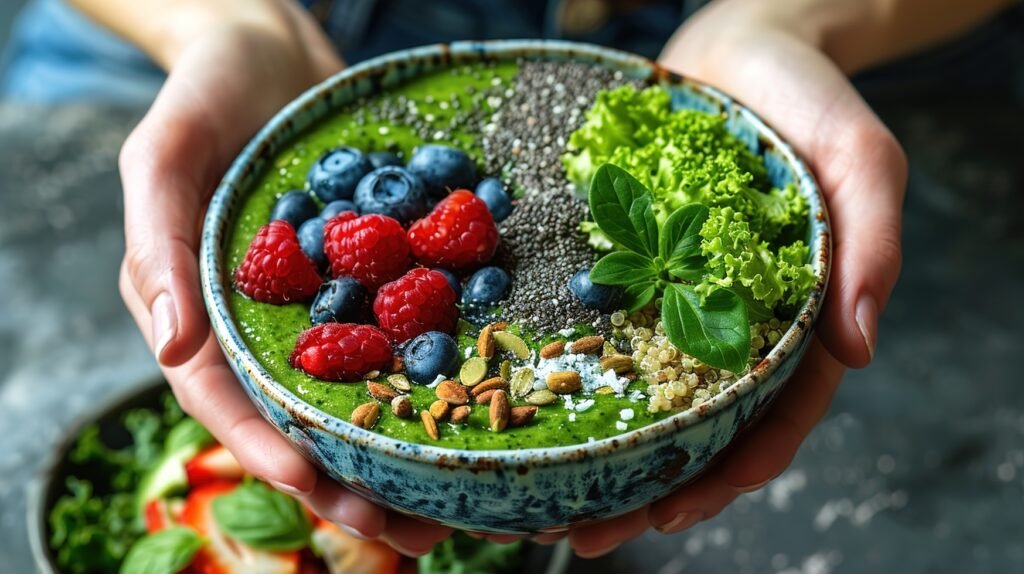
Whole food superfoods that help stabilize blood sugar include leafy greens, legumes, nuts, seeds, and whole grains. These foods are rich in fiber, healthy fats, and essential nutrients that contribute to balanced glucose levels and improve insulin sensitivity.
Incorporating these superfoods into your diet is not just about health; it’s a proactive approach to managing blood sugar levels effectively. For instance, the fiber found in legumes and whole grains slows down glucose absorption, leading to more stable blood sugar. However, it’s essential to consider the overall balance of your meals, as pairing these foods with other nutrients can enhance their blood sugar-stabilizing effects.
Many people overlook the importance of portion sizes and food combinations when aiming to stabilize blood sugar. For example, while whole grains are beneficial, consuming them in excessive amounts or without adequate protein or fats can lead to unwanted spikes. Understanding the right balance and timing for these whole food superfoods can significantly impact your overall glucose management.
Leafy Greens: Nutrient Density and Blood Sugar Control
Leafy greens, such as spinach, kale, and Swiss chard, are vital for stabilizing blood sugar due to their low carbohydrate content and high nutrient density. They are packed with vitamins, minerals, and antioxidants that contribute to overall health while aiding in blood sugar regulation.
Incorporating these greens into meals can be as simple as adding them to smoothies, salads, or stir-fries. Their high fiber content helps to slow digestion, preventing rapid spikes in glucose levels. A common mistake is to dismiss these vegetables as insignificant; however, their impact on blood sugar stability is profound.
When planning meals, prioritize including a variety of leafy greens to maximize nutrient intake. Experiment with different cooking methods, such as sautéing or steaming, to enhance their flavor and appeal. Additionally, consider combining them with healthy fats, like olive oil, to further improve nutrient absorption.
Legumes: Fiber-Rich Choices for Stable Glucose
Legumes, including beans, lentils, and chickpeas, are excellent sources of protein and fiber, making them ideal for stabilizing blood sugar. Their complex carbohydrates digest slowly, leading to gradual increases in blood sugar levels.
Incorporating legumes into your diet can be done through soups, stews, or salads. They not only provide satiety but also help reduce overall caloric intake. Many individuals mistakenly believe that legumes are too carbohydrate-dense; however, when consumed in moderation, they can greatly benefit blood glucose control.
It’s essential to soak and cook legumes properly to maximize their digestibility and nutrient availability. If you experience digestive discomfort, gradually increase your intake to allow your body to adapt. Pair legumes with whole grains to create complete proteins, enhancing their nutritional profile.
Nuts and Seeds: Healthy Fats for Optimal Metabolism
Nuts and seeds, such as almonds, walnuts, chia seeds, and flaxseeds, are rich in healthy fats, fiber, and protein, making them effective for blood sugar stabilization. Their low glycemic index means they have a minimal impact on blood glucose levels.
Adding a handful of nuts or a sprinkle of seeds to meals can improve satiety and provide essential nutrients. A common pitfall is consuming them in excess, as they are calorie-dense. Moderation is key to reaping their benefits without overdoing caloric intake.
To enhance their benefits, consider using nuts and seeds as toppings for yogurt or salads. They can also be blended into smoothies for added nutrition. Always choose unsalted varieties to avoid excess sodium, which can negatively impact overall health.

Whole Grains: The Right Types Matter
Whole grains like quinoa, brown rice, and oats are integral to a balanced diet that stabilizes blood sugar. Unlike refined grains, whole grains retain their fiber and nutrient content, which helps mitigate blood sugar spikes.
When incorporating whole grains, it’s essential to choose the right types. Quinoa, for example, is a complete protein and can be a great substitute for rice. Many people mistakenly opt for refined grains, which can lead to increased blood sugar levels. Understanding the glycemic index of various grains can help guide your choices.
Combining whole grains with protein sources can further enhance their blood sugar-stabilizing effects. For instance, pairing brown rice with beans not only improves the meal’s protein content but also helps maintain stable glucose levels. Pay attention to portion sizes, as even healthy grains can impact blood sugar if consumed in large amounts.
Further Reading
Authoritative Sources
- American Diabetes Association: Healthy Eating
diabetes.orgThis resource provides guidelines on healthy eating patterns beneficial for blood sugar management
- Nutritional Benefits of Whole Grains
ncbi.nlm.nih.govA comprehensive study on the health benefits of whole grains and their role in blood sugar regulation
- Healthline: Foods That Stabilize Blood Sugar
healthline.comAn article detailing various foods that can help maintain stable blood sugar levels
Frequently Asked Questions
What are the best whole food superfoods for stabilizing blood sugar?
The best whole food superfoods include leafy greens, legumes, nuts, seeds, and whole grains, all of which help maintain balanced glucose levels.
How can I incorporate these superfoods into my diet?
You can add leafy greens to salads, legumes to soups, nuts as snacks, seeds in smoothies, and whole grains as side dishes.
Are there any foods to avoid for blood sugar stabilization?
Avoid refined sugars and carbohydrates, as they can cause rapid spikes in blood sugar levels.
How do portion sizes affect blood sugar levels?
Portion sizes matter because consuming too much, even healthy foods, can lead to elevated blood sugar levels.
Can I eat these foods if I have diabetes?
Yes, these superfoods are beneficial for individuals with diabetes, but it’s important to monitor portion sizes and overall carbohydrate intake.
Conclusion
Incorporating whole food superfoods that help stabilize blood sugar into your diet is essential for maintaining balanced glucose levels. Prioritize leafy greens, legumes, nuts, seeds, and whole grains, while being mindful of portion sizes and food combinations. This proactive approach can significantly improve your overall health and well-being. By understanding how these foods impact blood sugar, you can make informed choices that support your health goals.