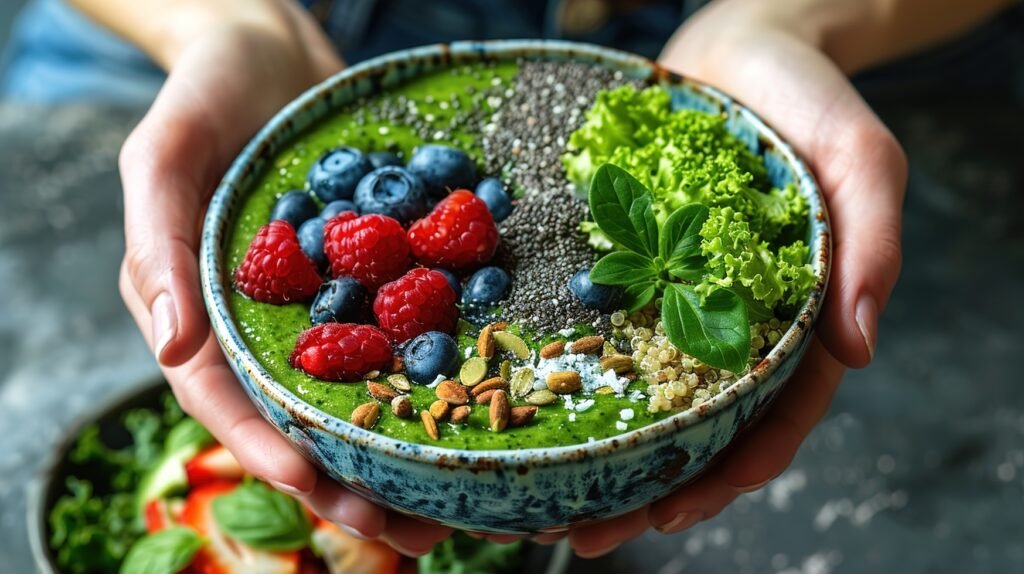
Some superfoods are considered overhyped due to exaggerated health claims, lack of scientific backing, and marketing strategies that emphasize their benefits while downplaying limitations. This leads to misconceptions about their effectiveness, often overshadowing a balanced diet that includes a variety of foods.
Understanding this overhype is essential for making informed dietary choices. A common mistake is to focus solely on superfoods while neglecting other important food groups. Instead of relying on a few trendy items, it’s vital to prioritize a diverse diet that includes whole grains, lean proteins, healthy fats, and plenty of fruits and vegetables. Moreover, the marketing of superfoods often targets consumers’ desires for quick fixes, which can lead to disappointment when results do not meet expectations.
Additionally, many people overlook the fact that the term “superfood” is not a scientifically defined term but rather a marketing label. This can lead to confusion about what these foods actually offer. While some may have higher concentrations of specific nutrients, the benefits can be overstated. It’s crucial to approach health claims critically and consider the broader context of overall dietary patterns.
The Reality Behind Superfood Claims
The term “superfood” often implies that these foods possess extraordinary health benefits. However, many claims surrounding superfoods are not supported by rigorous scientific evidence. For instance, while foods like acai berries and quinoa are rich in certain nutrients, the extent of their health benefits can be overstated. Research often shows that the benefits of these foods are similar to those of more common fruits and vegetables.
Consumers should be aware that the health benefits attributed to superfoods can vary widely. A common pitfall is assuming that incorporating a few superfoods will compensate for an otherwise poor diet. For optimal health, variety and balance are key. It’s also important to consider how these foods fit into individual dietary needs and preferences, as not all superfoods are suitable for everyone.
Furthermore, marketing plays a significant role in how superfoods are perceived. Companies often use appealing narratives to promote these products, which can create unrealistic expectations. Consumers should critically evaluate sources of information and prioritize evidence-based dietary guidelines over sensational claims.
Nutritional Value vs. Marketing Hype
While many superfoods do offer nutritional benefits, the hype surrounding them can overshadow their actual value. Foods touted as superfoods are often marketed for their high antioxidant levels, but it’s essential to understand that antioxidants are found in a wide variety of foods. For example, common fruits like apples and oranges also contain significant antioxidant properties.
When evaluating the nutritional value of superfoods, it’s crucial to consider their overall contribution to a balanced diet. Many superfoods can be beneficial, but they should not replace other essential food groups. A focus on a single food can lead to nutrient deficiencies and an unbalanced diet. Instead, aim for a comprehensive approach that includes a range of nutrient-dense foods.
Moreover, the cost of superfoods can be prohibitive for some consumers. Prioritizing more accessible, nutrient-rich foods can often provide similar benefits without the premium price tag. Understanding the cost-to-benefit ratio is vital for making informed dietary choices.
Common Misconceptions About Superfoods
One of the most prevalent misconceptions about superfoods is that they can prevent or cure diseases. While certain foods may support health, they are not a substitute for medical treatment or a balanced diet. Many consumers mistakenly believe that simply adding superfoods to their diet will lead to significant health improvements, which can create a false sense of security.
Additionally, some people assume that all superfoods are equally beneficial. However, individual dietary needs vary significantly. For instance, a food that is considered a superfood for one person may not provide the same benefits to someone with different health conditions or dietary restrictions. It is crucial to personalize dietary choices based on individual health profiles.
Another common error is the belief that superfoods are inherently superior to traditional foods. In reality, many everyday foods provide substantial health benefits and should not be overlooked. Educating oneself about the full spectrum of nutritional options available can lead to better health outcomes.
Integrating Superfoods into a Balanced Diet
Incorporating superfoods into a balanced diet requires a thoughtful approach. Rather than viewing them as a cure-all, consider them as part of a larger dietary strategy. For example, adding a small amount of chia seeds to a smoothie can enhance its nutrient profile, but it should not replace other vital food groups.

To effectively integrate superfoods, focus on variety and moderation. Choose a selection of superfoods that align with your personal tastes and nutritional goals. This not only makes meals more enjoyable but also ensures that you receive a range of nutrients. Additionally, being mindful of portion sizes is important, as even nutrient-dense foods can contribute to excess caloric intake if consumed in large quantities.
Ultimately, the goal should be to create a sustainable eating pattern that prioritizes whole foods while allowing for the inclusion of superfoods. This balanced approach can help mitigate the risks associated with overhyped health claims and promote long-term wellness.
Further Reading
Authoritative Sources
- Superfoods: Myths and Reality
ncbi.nlm.nih.govThis article provides a comprehensive overview of the misconceptions surrounding superfoods and their actual health benefits
- The Truth About Superfoods
healthline.comHealthline discusses various superfoods and evaluates their nutritional claims based on scientific evidence
- The Superfood Myth
eatright.orgThis source explores the marketing aspects of superfoods and emphasizes the importance of a balanced diet
- Superfoods and Health
cdc.govThe CDC provides insights into the role of superfoods within the context of overall health and nutrition
Frequently Asked Questions
Are superfoods really better for you?
Superfoods can be nutritious, but they are not universally superior to other foods. A balanced diet with a variety of foods is essential for optimal health.
Can superfoods help with weight loss?
While some superfoods may aid weight loss due to their nutrient density, they should be part of a comprehensive diet and exercise plan.
Is there scientific evidence supporting superfood claims?
Many superfood claims lack robust scientific support, and their benefits can often be similar to those of more common foods.
How can I incorporate superfoods into my diet?
Incorporate superfoods by adding them to meals in moderation, focusing on variety, and ensuring they complement a balanced diet.
Are all superfoods equally beneficial?
No, the benefits of superfoods can vary based on individual health needs and dietary preferences.
Conclusion
In closing, while certain superfoods offer nutritional benefits, it’s essential to approach their claims critically and recognize that a balanced diet is key to overall health. Prioritize a diverse array of foods rather than relying solely on so-called superfoods. Understanding the marketing behind these products can help consumers make informed choices and avoid the pitfalls of dietary fads. Ultimately, focus on incorporating a variety of nutrient-rich foods into your meals for lasting health benefits.
Related Content
- Best Superfoods for Boosting Metabolism Without Caffeine: Top Choices for Natural Energy and Weight Management
- 7 Superfoods to Boost Your Gut Health Naturally
- What Are the Most Nutrient Dense Whole Food Superfoods: Top Choices for Optimal Health
- How long does it take to see results from whole food nutrition?
- How can i compare different whole food diets?