
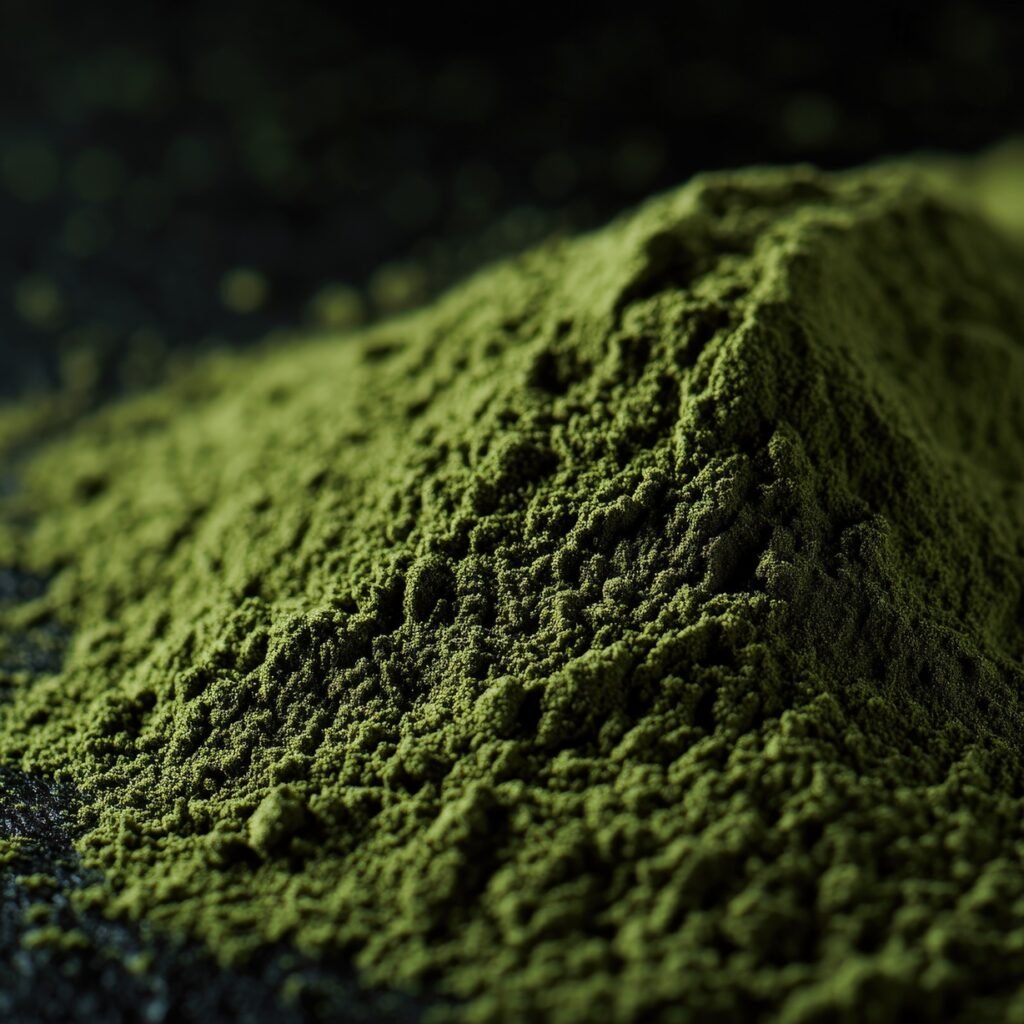
To spot low-quality superfoods, focus on the ingredient list and look for artificial additives or fillers that dilute nutritional value. Certifications such as organic or non-GMO are essential indicators of quality, ensuring the product is free from harmful chemicals and genetically modified ingredients. Additionally, scrutinize the brand's sourcing practices; reputable brands will provide transparency about where and how their superfoods are sourced. Misleading marketing claims can often mask low-quality products, so always prioritize those with clear, factual information about their health benefits. By taking these steps, you can make informed choices that truly enhance your diet.
Understanding Superfood Quality Standards
Superfoods are often marketed as nutrient-dense foods that provide exceptional health benefits. However, not all superfoods are created equal. To identify high-quality options, it’s essential to understand the standards that define superfood quality. Look for products that are certified organic, as this indicates they are free from synthetic pesticides and fertilizers. Additionally, products labeled as non-GMO ensure that they are not derived from genetically modified organisms, which can affect nutritional quality.
Furthermore, consider the nutrient profile of the superfood. High-quality options will typically list a variety of vitamins, minerals, and antioxidants. For instance, a good-quality spirulina supplement should contain a high concentration of protein, B vitamins, and essential fatty acids. Understanding these standards will help you make informed choices when evaluating superfood products.
Common Misconceptions About Superfoods
Many consumers fall prey to misconceptions about superfoods, which can lead to poor purchasing decisions. One common myth is that all superfoods are inherently healthy. For example, some products marketed as superfoods may contain high levels of added sugars or unhealthy fats, undermining their perceived health benefits. It’s crucial to scrutinize the nutritional labels and ingredient lists.
Another misconception is that superfoods can replace a balanced diet. While they can provide concentrated nutrients, they should complement a variety of foods rather than serve as a sole source of nutrition. Educating yourself about these misconceptions can empower you to choose superfoods that genuinely enhance your dietary regimen.
Identifying Red Flags in Ingredients
When assessing superfoods, the ingredient list is your first line of defense against low quality. Look for red flags such as artificial flavors, preservatives, and excessive fillers. For instance, a protein powder that lists sugar as one of its top ingredients may indicate a lower quality product. Additionally, be wary of vague terms like “natural flavors” or “proprietary blends” that do not specify the exact ingredients.
High-quality superfoods should have a short and transparent ingredient list, emphasizing whole food sources. For example, if you’re looking at a berry powder, it should ideally list various types of berries without additional sweeteners or thickeners. By familiarizing yourself with these red flags, you can better navigate the often confusing world of superfoods.
Evaluating Brand Credibility and Sourcing
The credibility of the brand plays a significant role in determining superfood quality. Research the company’s sourcing practices and transparency. Brands that openly share their sourcing information and provide third-party testing results are generally more trustworthy. Look for certifications such as USDA Organic or Fair Trade, which indicate ethical sourcing and production practices.
Additionally, consider customer reviews and testimonials. Brands with a strong reputation for quality and customer satisfaction are more likely to provide genuine superfoods. A company’s commitment to sustainability and ethical practices can also be a good indicator of product quality, reflecting their dedication to consumer health and environmental responsibility.
Frequently Asked Questions
What should I look for on a superfood product label?
Look for certifications like organic or non-GMO, a short ingredient list, and a high nutrient profile without added sugars or fillers.
Are all superfoods healthy?
No, some superfoods can contain unhealthy additives like sugars or artificial ingredients. Always check the nutritional label.
How can I verify a brand’s sourcing practices?
Research the brand’s website for information on their sourcing practices, look for third-party testing, and check for ethical certifications.
What are common misconceptions about superfoods?
One common misconception is that superfoods can replace a balanced diet. They should complement a variety of foods for optimal nutrition.
How do I know if a superfood is worth the price?
Evaluate the ingredient quality, nutrient density, and brand credibility. High-quality superfoods often justify a higher price.
Conclusion
Choosing the right superfoods involves careful evaluation of ingredients, brand credibility, and common misconceptions. By understanding quality standards and identifying red flags, you can make informed choices that enhance your overall health. Prioritize transparency, ethical sourcing, and nutrient density to ensure that the superfoods you select provide genuine benefits to your diet.
Related Content
- How to Balance Superfoods With a Low-Calorie Diet: Essential Foods and Practical Strategies
- How Whole Food Supplements Support Digestive Health (Naturally)
- How Superfoods Interact With Medications: Key Mechanisms and Considerations
- Best Time of Day to Eat Superfoods for Benefits: Optimal Timing for Nutritional Impact
- How to Choose Affordable Superfoods Without Sacrificing Quality: Practical Steps for Smart Shopping