
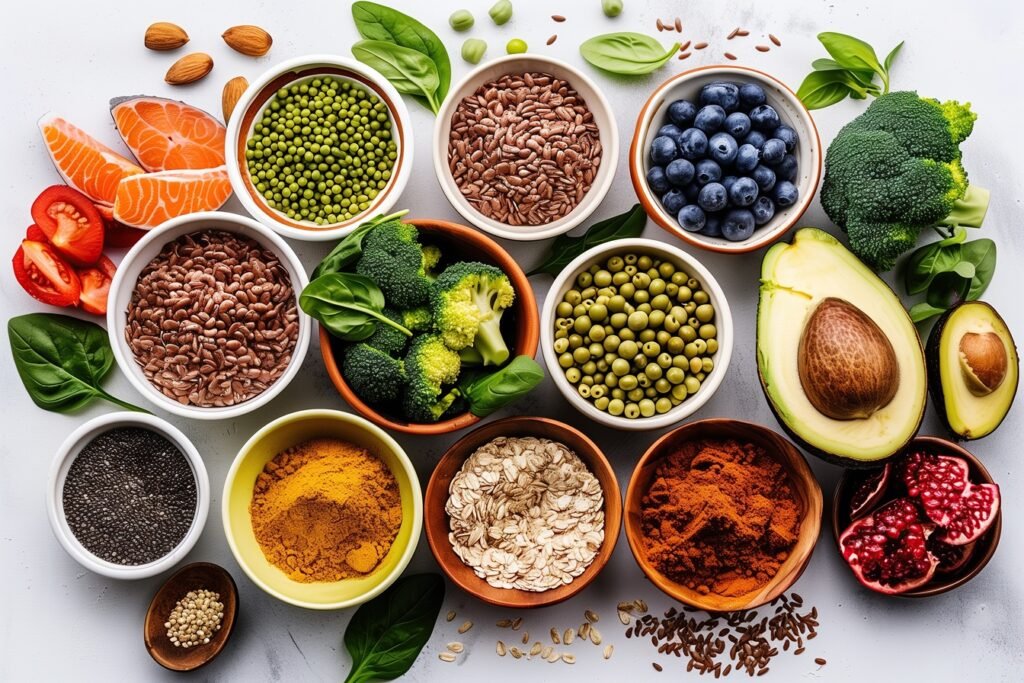
The truth about superfoods and gut health reveals that specific nutrient-rich foods can significantly enhance digestive wellness by positively influencing gut microbiota. Fermented foods, such as yogurt and kimchi, along with high-fiber fruits and vegetables, provide essential prebiotics and probiotics that foster a balanced gut environment. However, it's important to recognize that not all superfoods deliver the same benefits; individual dietary needs and health conditions can affect their efficacy. To maximize gut health, focus on incorporating a variety of these foods into your diet while being mindful of your unique digestive requirements.
Understanding Superfoods
Superfoods are nutrient-rich foods considered to be especially beneficial for health and well-being. They often contain high levels of vitamins, minerals, and antioxidants. Understanding what qualifies as a superfood is essential, as these foods can play a significant role in enhancing gut health through their nutritional profiles.
Many superfoods, such as berries, leafy greens, and nuts, offer a range of health benefits due to their rich content of phytochemicals and fiber. These compounds can help reduce inflammation, support immune function, and promote a healthy digestive system. However, the term ‘superfood’ can be misleading. Not every food labeled as a superfood will provide the same benefits, and their effects on gut health can vary based on individual dietary needs and existing health conditions.
Gut Health and Its Importance
Gut health refers to the balance of microorganisms living in the digestive tract. A healthy gut microbiome is crucial for digestion, nutrient absorption, and overall health. It influences everything from immune response to mental well-being. An imbalance in gut bacteria can lead to issues like bloating, constipation, diarrhea, and even mental health disorders.
Maintaining gut health is essential, as it can affect how well the body processes food and absorbs nutrients. Poor gut health is associated with various health problems, including obesity, diabetes, and inflammatory diseases. Understanding the connection between gut health and diet can empower individuals to make informed food choices that enhance their digestive wellness.
Key Superfoods for Gut Health
Several superfoods are particularly beneficial for gut health. Fermented foods like yogurt, kefir, and sauerkraut contain probiotics that help maintain a healthy gut microbiome. These foods introduce beneficial bacteria into the digestive system, which can improve digestion and enhance nutrient absorption.
High-fiber foods, such as whole grains, fruits, and vegetables, are also vital for gut health. They act as prebiotics, providing food for the beneficial bacteria in the gut. Foods like bananas, asparagus, and oats are excellent sources of soluble fiber, which helps regulate digestion and promotes a balanced gut environment.
Incorporating a variety of these superfoods into your diet can support gut health. However, it’s essential to listen to your body and adjust your diet according to how you feel, as individual responses to these foods can vary.
Common Misconceptions About Superfoods
One common misconception about superfoods is that they are a cure-all for health issues, including gut problems. While these foods can significantly contribute to health, they should not replace a balanced diet or medical advice. Relying solely on superfoods without considering overall dietary patterns can lead to nutritional imbalances.
Another misconception is that all superfoods are beneficial for everyone. Individual dietary needs vary, and some superfoods may not suit everyone, especially those with specific allergies or intolerances. It’s vital to assess personal health conditions and dietary preferences when incorporating superfoods into your meals.

Frequently Asked Questions
What are superfoods?
Superfoods are nutrient-dense foods that offer health benefits, often high in vitamins, minerals, and antioxidants.
How do superfoods impact gut health?
Superfoods like fermented foods and high-fiber vegetables promote a healthy gut microbiome, improving digestion and nutrient absorption.
Can anyone eat superfoods?
While many people can benefit from superfoods, individual dietary needs and restrictions should be considered, especially for those with allergies.
Are superfoods a cure for gut issues?
No, superfoods can support gut health, but they should not replace medical advice or treatments for digestive issues.
What are some common superfoods for gut health?
Common superfoods for gut health include yogurt, kefir, sauerkraut, bananas, and oats.
Conclusion
Understanding the truth about superfoods and gut health is essential for making informed dietary choices. While incorporating superfoods can enhance digestive wellness, it’s vital to consider individual health needs and maintain a balanced diet. Focus on a variety of nutrient-dense foods, listen to your body, and consult with healthcare professionals to optimize your gut health.
Related Content
- Calorie-Dense Foods That Support Weight Gain — Whole-Food Additions, Portions, and Meal Timing
- What To Do If Your Superfood Choices Lead To Bloating: Causes, Food Swaps, And A Reset Plan
- Issues With Relying Too Heavily on Superfood Snacks: Nutritional Trade-offs and Health Implications
- Steps to Take If Superfoods Cause Skin Issues: Identifying Symptoms and Effective Remedies
- Quinoa Nutrition, Protein, and Carbohydrate Balance for Complete Plant-Based Meals