
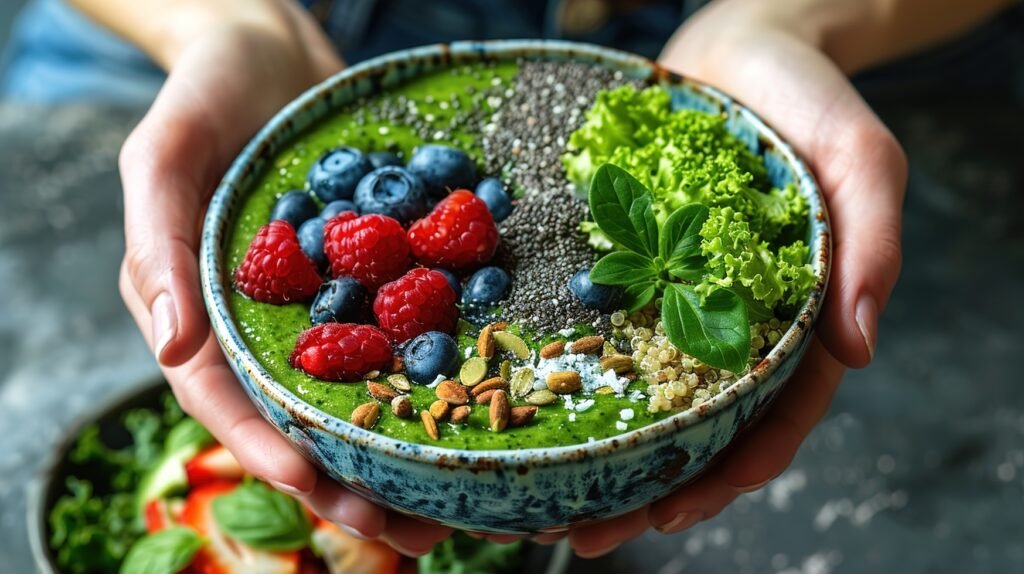
When considering superfoods, it's vital to be aware of potential allergies that may arise from certain ingredients. Many superfoods, such as nuts, chia seeds, and soy, are common allergens that can lead to adverse reactions in sensitive individuals. To safely incorporate superfoods into your diet, always read labels carefully and consult with a healthcare professional if you have known allergies. Additionally, exploring alternative superfoods that are less likely to trigger reactions can help you enjoy their health benefits without risking your well-being. Being informed and cautious is key to making safe dietary choices.
Understanding Superfoods
Superfoods are nutrient-rich foods that are considered to be particularly beneficial for health and well-being. They often contain high levels of essential vitamins, minerals, and antioxidants. Examples include blueberries, kale, and quinoa. While the term ‘superfood’ is not a scientific classification, it emphasizes foods that offer exceptional health benefits. Understanding what qualifies as a superfood can help individuals make informed dietary choices, but it’s equally important to consider individual health conditions, especially allergies.
Many people consume superfoods to improve their overall health or manage specific health conditions. However, not all superfoods are safe for everyone. Individuals with allergies must be cautious and knowledgeable about the foods they include in their diets. This awareness is essential in preventing allergic reactions and ensuring that the consumption of superfoods aligns with their health goals.
Common Allergens in Superfoods
Several superfoods are known to contain common allergens that can trigger reactions in sensitive individuals. Nuts, for example, are a frequent allergen found in many superfood products, such as nut-based protein powders or energy bars. Other common allergens include soy, dairy, and gluten, which can also appear in various superfood forms.
In addition to nuts, seeds like chia and flax can cause allergic reactions in some individuals. These allergies may manifest as skin rashes, gastrointestinal issues, or even severe anaphylactic reactions in extreme cases. Recognizing these allergens is a critical step in safely incorporating superfoods into your diet. Reading labels and being aware of cross-contamination risks in packaged superfood products is vital for those with allergies.
Testing for Allergies
If you suspect that certain superfoods may cause allergic reactions, it is advisable to undergo allergy testing. This can include skin prick tests or blood tests, which can help identify specific allergens. Consulting with an allergist can provide clarity on which foods to avoid and how to manage any allergies effectively.
In some cases, individuals may not realize they have a food allergy until they experience a reaction after consuming a particular food. Keeping a food diary can also be helpful in tracking symptoms and identifying potential allergens. If you experience consistent symptoms after consuming superfoods, seek medical advice promptly to determine the cause.
Safe Alternatives and Choices
For those with allergies, there are many superfood alternatives that can provide similar health benefits without the risk of an allergic reaction. For instance, if you are allergic to nuts, consider using seeds like pumpkin or sunflower seeds, which offer healthy fats and protein without the allergenic properties of nuts.
Additionally, incorporating a variety of fruits and vegetables can help diversify your nutrient intake while minimizing the risk of allergies. Foods like spinach, berries, and sweet potatoes are excellent alternatives that are typically well-tolerated and provide numerous health benefits. Always consult with a healthcare provider or nutritionist to tailor a diet that meets your nutritional needs while avoiding allergens.
Frequently Asked Questions
What are superfoods?
Superfoods are nutrient-dense foods that provide health benefits, often rich in vitamins, minerals, and antioxidants.
Can superfoods cause allergies?
Yes, some superfoods like nuts and seeds can trigger allergic reactions in sensitive individuals.
How can I test for food allergies?
Allergy testing can be done through skin prick tests or blood tests to identify specific allergens.
What should I do if I have a food allergy?
Consult with a healthcare professional for diagnosis and management strategies to avoid allergens.
Are there safe alternatives to common superfoods?
Yes, alternatives such as seeds or different fruits and vegetables can provide similar nutrients without allergens.
Further Reading
Authoritative Sources
- Food Allergy Research & Education (FARE)
foodallergy.orgThis resource offers comprehensive information on food allergies, including management strategies and safe food choices.
- National Center for Biotechnology Information (NCBI)
ncbi.nlm.nih.govExplore research articles on food allergies and their implications for health and nutrition.
- Academy of Nutrition and Dietetics
eatright.orgFind expert advice on dietary choices, including information on allergens and safe food practices.
Conclusion
Understanding the relationship between superfoods and allergies is essential for safe dietary practices. Individuals with allergies must be vigilant in identifying potential allergens and consulting healthcare professionals when incorporating new superfoods into their diets. By exploring safe alternatives and being informed about food choices, individuals can enjoy the benefits of superfoods while minimizing the risk of allergic reactions.
Related Content
- How to Integrate Superfoods into Meal Prep Routines: Practical Steps and Recipe Ideas
- How to Avoid Nutrient Overload with Superfoods: Essential Foods and Practical Steps
- How to Identify the Most Beneficial Superfoods for Aging: Key Foods and Health Benefits
- Steps to Take If Superfoods Cause Digestive Issues: Identifying Symptoms and Effective Remedies
- Steps to Take If Superfoods Disrupt Gut Health: Identifying Causes and Effective Remedies