
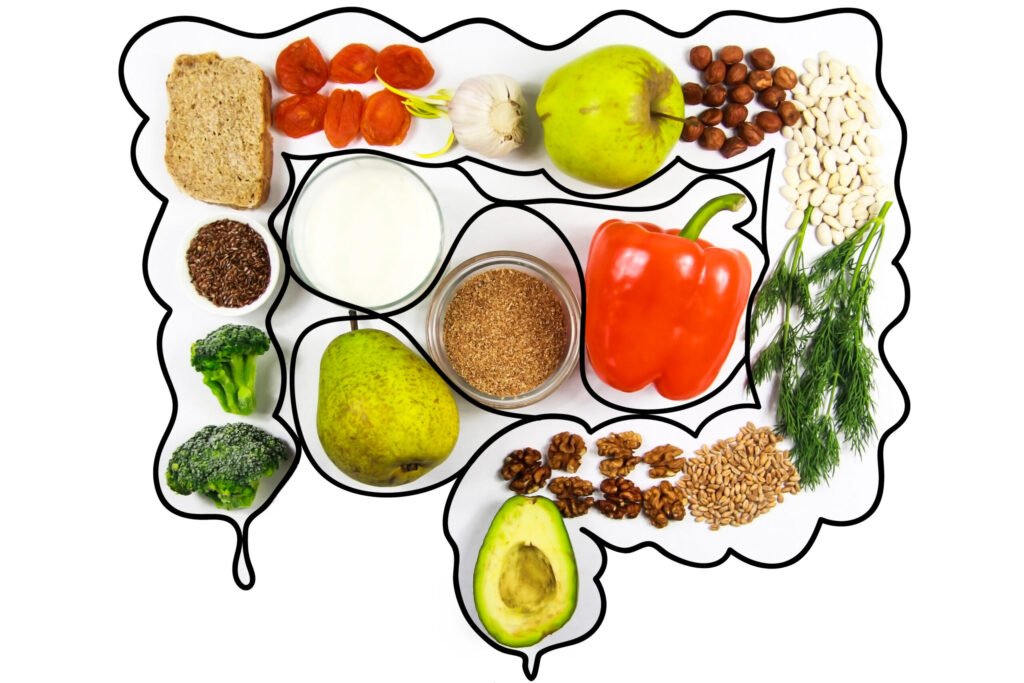
When selecting whole food superfoods, common mistakes include falling for misleading marketing claims and neglecting to consider personal dietary needs. Many consumers overlook the importance of researching the sourcing and processing of these foods, which can greatly affect their nutritional value. Additionally, assuming that all superfoods are universally beneficial can lead to poor health choices. To avoid these pitfalls, it’s essential to critically evaluate product claims, understand the specific nutrients offered by each superfood, and align them with your individual health requirements. Always prioritize reputable certifications and detailed ingredient lists to make informed decisions.
Misleading Marketing Claims
One of the most common mistakes when choosing whole food superfoods is falling for misleading marketing claims. Many products are labeled as “superfoods” without substantial evidence supporting their health benefits. This can lead consumers to believe that they are making healthy choices based solely on packaging. It’s crucial to critically evaluate these claims and seek out reputable sources of information.
For instance, terms like “organic” or “natural” can sometimes be used to market products that are not significantly different from their conventional counterparts. To avoid this pitfall, always look for certifications from recognized organizations and read ingredient lists thoroughly. Additionally, understanding the actual nutrient profile of a product can help determine its true value.
Understanding Nutritional Value
Another key mistake is not fully grasping the nutritional value of superfoods. Many people assume that all superfoods are universally beneficial, but this is not the case. Different superfoods offer varying health benefits, and some may not align with an individual’s specific nutritional needs. For example, while kale is often hailed for its high vitamin K content, it may not be suitable for those on anticoagulant medications due to its vitamin K levels.
To make informed choices, it’s important to educate oneself about the unique benefits and potential drawbacks of each superfood. Researching the specific nutrients in each food, such as antioxidants, vitamins, and minerals, can provide insight into how they may benefit or hinder your health. Consider consulting with a nutritionist to tailor your superfood choices to your personal health goals.
Sourcing and Processing Considerations
When selecting whole food superfoods, sourcing and processing methods are critical factors that are often overlooked. Many consumers are unaware that the way a food is sourced and processed can greatly influence its nutritional value. For instance, superfoods that are heavily processed may lose vital nutrients during manufacturing, negating their health benefits.
Moreover, the source of the superfood can impact its sustainability and ethical considerations. Products sourced from environmentally conscious farms may be more beneficial not only to consumers but also to the planet. To make better choices, prioritize superfoods that are sourced from reputable growers who practice sustainable farming methods, and look for minimally processed options.
Personal Health Needs and Superfood Choices
Choosing superfoods without considering personal health needs is a common mistake. Every individual has unique dietary requirements, and what works for one person may not work for another. For example, individuals with specific allergies or intolerances should be cautious about certain superfoods, such as nuts or gluten-containing grains.
To avoid this mistake, assess your health status and dietary restrictions before incorporating new superfoods into your diet. Keeping a food diary or consulting with a healthcare professional can help identify which superfoods may complement your health needs. This personalized approach ensures that you reap the maximum benefits while minimizing health risks.
Frequently Asked Questions
What are common mistakes when choosing superfoods?
Common mistakes include relying on misleading marketing, not understanding nutritional values, and neglecting personal health needs.
How do I evaluate the quality of a superfood?
Look for certifications, read ingredient lists, and research the nutritional profile to ensure quality.
Are all superfoods equally beneficial?
No, different superfoods offer various health benefits, so it’s important to choose based on individual dietary needs.
What role does sourcing play in superfood selection?
Sourcing affects the nutritional value and sustainability of superfoods, making it essential to choose reputable producers.
Can superfoods cause allergic reactions?
Yes, some superfoods can trigger allergies, so it’s important to consider personal health conditions before consumption.
Conclusion
Understanding the common mistakes when choosing whole food superfoods can greatly enhance your dietary choices. By critically evaluating marketing claims, understanding nutritional values, considering sourcing and processing, and aligning choices with personal health needs, you can make informed decisions. Prioritize thorough research and consult with health professionals to ensure that your superfood selections support your overall health goals.
Related Content
- Green Grapes Nutrition Versus Other Grape Varieties: Color, Compounds, And Serving Choices
- Top 7 Superfoods to Boost Your Immune System Naturally
- Reasons Whole Food Superfoods Might Not Meet Expectations: Common Misconceptions and Practical Insights
- What Tools Can Help Me Track My Superfood Intake?
- Why Some Superfoods May Not Be Suitable for Seniors: Nutritional Challenges and Dietary Considerations