
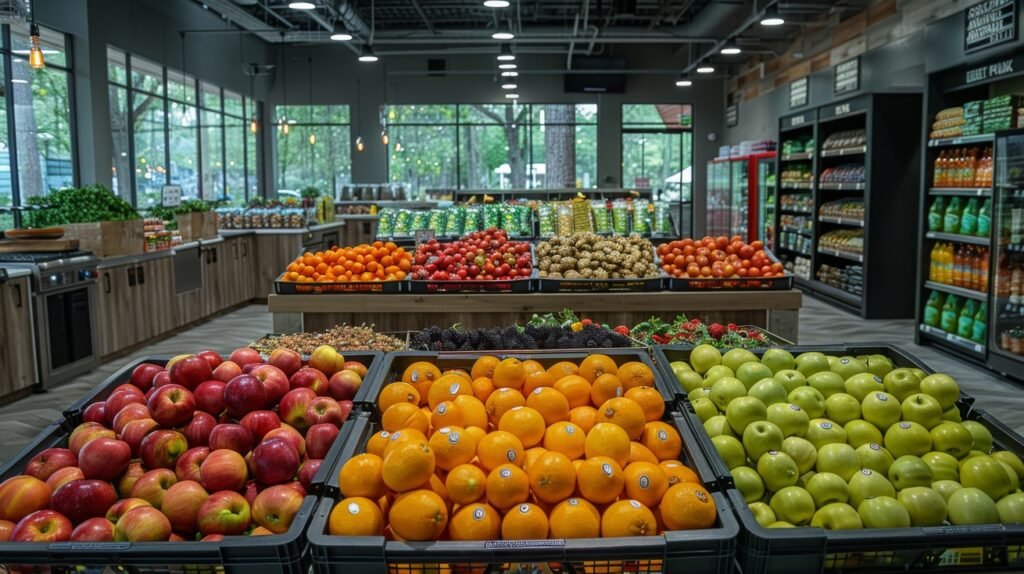
The hidden costs of whole food diets can significantly impact your budget and lifestyle. Higher grocery bills are common, especially when opting for organic produce, which often requires consumers to adjust their spending habits. Additionally, the time commitment for meal preparation can be substantial, as whole foods typically demand more effort than pre-packaged options. To manage these costs effectively, consider meal prepping and prioritizing seasonal ingredients, which can help reduce expenses while maximizing nutritional value. Joining local community-supported agriculture (CSA) programs can also provide access to fresh produce at a lower cost, supporting both your health and local farmers.
Understanding the Financial Impact of Whole Food Choices
The financial impact of adopting a whole food diet can be significant, often leading to higher grocery bills. Whole foods, particularly organic fruits and vegetables, tend to cost more than their processed counterparts. This increase in expenses is primarily due to the sourcing, transportation, and storage practices associated with fresh produce. Additionally, purchasing in bulk can mitigate costs but may require a larger initial outlay, which can be challenging for some budgets.
To effectively manage these costs, consumers should prioritize their purchases based on nutritional value and personal health goals. Planning meals around seasonal produce can also help reduce expenses while ensuring a variety of nutrients. Furthermore, joining community-supported agriculture (CSA) programs can provide access to fresh produce at a lower cost while supporting local farmers.
Time Investments in Meal Preparation
One of the less obvious hidden costs of a whole food diet is the time commitment required for meal preparation. Preparing meals from whole ingredients typically involves more effort than simply heating processed meals. This includes washing, chopping, cooking, and often creating meals from scratch. For many, this can lead to a significant time drain, particularly for those balancing work, family, and other responsibilities.
To mitigate the time investment, meal prepping can be an effective strategy. By dedicating a few hours on the weekend to prepare meals for the week, individuals can save time and reduce the temptation to resort to convenience foods. However, this approach requires careful planning and organization, which can be an additional challenge for those new to whole food diets.
Specialized Tools and Equipment
Transitioning to a whole food diet may necessitate the purchase of specialized kitchen tools and equipment, which can add to the overall cost. Items such as a high-quality blender, food processor, or spiralizer may be essential for preparing certain recipes efficiently. While these tools can enhance the cooking experience, they represent an upfront investment that should be factored into the overall budget.
When considering these purchases, it’s crucial to evaluate which tools will be used regularly versus those that may only serve a specific purpose. Prioritizing versatile equipment can help maximize the value of the investment. Additionally, exploring second-hand options or borrowing tools from friends can reduce the financial burden associated with starting a whole food diet.
Comparing Whole Foods to Processed Options
While whole foods often come with higher upfront costs, it’s essential to consider the long-term health benefits they can offer compared to processed alternatives. Processed foods, while typically cheaper, can lead to higher health care costs down the line due to diet-related health issues. Thus, investing in whole foods may save money in the long run by promoting better health and reducing medical expenses.
Additionally, whole foods tend to be more nutrient-dense, providing better value in terms of vitamins and minerals per dollar spent. Consumers should weigh these factors when deciding whether to invest in whole foods versus processed options. Ultimately, a balanced approach that includes both can help manage costs while still prioritizing health.
Frequently Asked Questions
What are the main hidden costs of a whole food diet?
The main hidden costs include higher grocery bills, time investments for meal preparation, and the need for specialized kitchen tools.
How can I reduce costs when adopting a whole food diet?
Consider buying in bulk, purchasing seasonal produce, and joining local CSA programs to access fresh foods at a lower price.
Are whole foods really more expensive than processed foods?
Whole foods can be more expensive upfront, but their long-term health benefits may lead to lower medical costs over time.
What tools do I need for a whole food diet?
Essential tools include a high-quality blender, food processor, and basic cooking utensils, but prioritize what you will use regularly.
How much time should I expect to spend on meal prep?
Meal prep can take several hours weekly, but planning ahead and batch cooking can help save time during busy weekdays.
Conclusion
Understanding the hidden costs of whole food diets is essential for effective budgeting and lifestyle adjustments. By recognizing the financial, time, and equipment investments required, individuals can make informed decisions that align with their health goals. Prioritizing meal planning, investing in versatile tools, and considering the long-term benefits of whole foods can lead to a more sustainable and healthy lifestyle.
Related Content
- Recognizing Nutrient Imbalances in Whole Food Diets: Common Signs and Remedies
- What Is Superfood Nutrition?
- What Advanced Recipes Can I Try With Superfoods?
- Complete Protein Foods for Balanced Eating: Plant and Animal Options for Better Meal Building
- Steps to Take If Your Superfood Intake Feels Excessive: Recognizing Symptoms and Adjusting Your Diet