
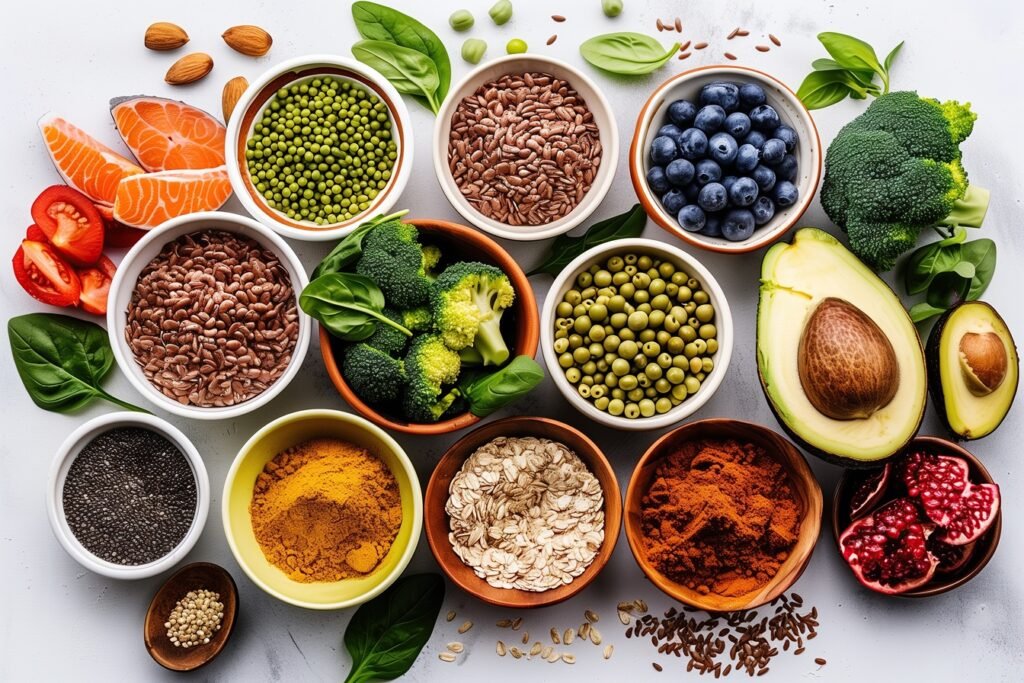
To maximize the benefits of superfoods, focus on incorporating a variety of nutrient-dense options into your daily diet, preparing them properly, and timing their consumption with other foods. Key nutrients from superfoods can enhance health, but their effects are best realized when consumed fresh, combined with healthy fats for better absorption, and integrated into meals that provide a balanced intake of vitamins and minerals. Avoid common mistakes like relying on processed superfood products or neglecting the importance of a diverse diet.
Understanding Superfoods and Their Nutritional Profile
Superfoods are nutrient-rich foods considered to be especially beneficial for health and well-being. They are typically high in vitamins, minerals, antioxidants, and other compounds that contribute to various health benefits. Examples include berries, leafy greens, nuts, seeds, and certain grains. Understanding the unique properties of these foods is crucial for maximizing their benefits.
For instance, blueberries are rich in antioxidants, which can help combat oxidative stress, while spinach is packed with iron and vitamins A and C. Including a diverse range of superfoods ensures a broad spectrum of nutrients, optimizing overall health. The key is to recognize their individual benefits and incorporate them into a balanced diet.
Best Preparation Methods to Retain Nutrients
How superfoods are prepared significantly impacts their nutritional value. Cooking methods such as steaming or sautéing can help preserve vitamins better than boiling or frying. For example, lightly steaming broccoli can retain its glucosinolates, compounds that may have cancer-fighting properties.
Additionally, consuming some superfoods raw, such as leafy greens and berries, can maximize their vitamin content. Consider using fresh herbs and spices to enhance flavors without compromising nutritional value. Avoiding excessive processing is essential, as it can lead to nutrient loss. Preparing superfoods in their whole form, when possible, ensures that you benefit fully from their natural properties.
Timing and Pairing Superfoods for Optimal Absorption
Pairing superfoods with other foods can enhance their absorption and effectiveness. For instance, consuming foods rich in healthy fats, such as avocados or olive oil, alongside fat-soluble vitamins found in superfoods like carrots or kale can improve nutrient uptake. Similarly, pairing iron-rich foods with vitamin C sources, such as citrus fruits, can enhance iron absorption.
Timing also plays a critical role. Incorporating superfoods into meals post-workout can support recovery due to their nutrient density. For example, a smoothie with spinach, banana, and nut butter can provide essential nutrients for muscle repair. Understanding how to combine and time your superfood intake can lead to significant health benefits.
Common Mistakes to Avoid When Using Superfoods
Despite their benefits, there are common pitfalls to avoid when incorporating superfoods into your diet. One major mistake is over-reliance on superfoods as a sole nutritional source, neglecting the importance of a balanced diet. Superfoods should complement a variety of other foods rather than replace them.
Another common error is purchasing processed superfood products that may contain added sugars or preservatives, diminishing their health benefits. Always opt for whole, minimally processed options. Lastly, be cautious of fad diets that promote excessive consumption of specific superfoods without considering individual dietary needs. This approach can lead to nutrient imbalances and health issues.
For readers looking to deepen their understanding of superfoods and their health benefits, consider exploring resources from reputable nutrition organizations and peer-reviewed journals. These materials can provide valuable insights into the latest research and practical applications of superfoods in daily diets.
Frequently Asked Questions
What are superfoods?
Superfoods are nutrient-dense foods that provide significant health benefits, often rich in vitamins, minerals, and antioxidants.
How can I incorporate more superfoods into my diet?
Incorporate superfoods by adding them to smoothies, salads, and snacks, ensuring a variety of options for balanced nutrition.
Are processed superfood products as beneficial as whole foods?
Processed superfood products often contain added sugars and preservatives, making whole foods a healthier choice for maximizing benefits.
What are some common mistakes when using superfoods?
Common mistakes include over-relying on superfoods, neglecting a balanced diet, and consuming processed versions that lack nutrients.
How should I prepare superfoods to retain their nutrients?
Best practices for preparing superfoods include steaming, sautéing, or consuming them raw to preserve their nutritional value.
Conclusion
Maximizing the benefits of superfoods involves understanding their nutritional profiles, employing the right preparation methods, and being mindful of timing and pairing with other foods. By avoiding common mistakes and focusing on whole, minimally processed options, you can effectively boost your overall health. Start by integrating a variety of superfoods into your meals, preparing them thoughtfully, and paying attention to how they interact with other foods. This holistic approach will help you achieve the best results from your superfood consumption.
Related Content
- How to Incorporate Superfoods Into a Busy Lifestyle: Practical Steps and Examples
- Common Mistakes When Choosing Whole Food Superfoods: Key Factors and Practical Insights
- Issues With Sourcing Superfoods From Unreliable Vendors: Identifying Risks and Ensuring Quality
- What to Consider When Comparing Superfoods for Weight Management: Key Nutritional Factors and Practical Applications
- High-Volume Low-Calorie Foods for Lasting Fullness: Foods, Pairings, and Portion Strategies