
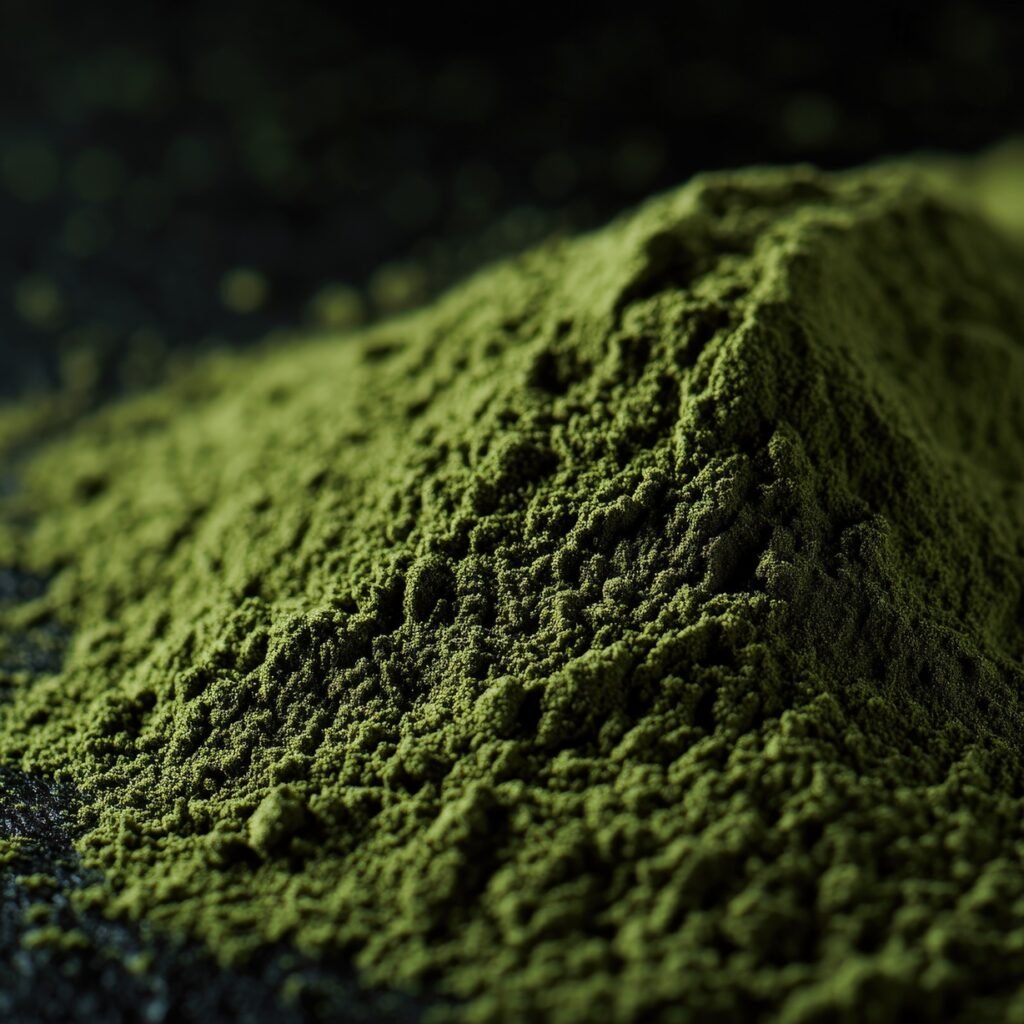
When combining superfoods, it's crucial to consider how their nutrients interact to maximize health benefits. For instance, pairing vitamin C-rich foods with iron sources can enhance iron absorption, which is particularly beneficial for those relying on plant-based iron. Additionally, be mindful of potential interactions; consuming calcium-rich foods simultaneously with iron can inhibit absorption. To optimize your meals, strategically pair superfoods based on their nutrient profiles and absorption requirements, ensuring you reap the full nutritional advantages. This approach not only enhances your diet but also supports overall health effectively.
Understanding Nutrient Compatibility
Nutrient compatibility plays a crucial role when combining superfoods. It is essential to recognize how certain nutrients interact, as some can enhance or inhibit the absorption of others. For instance, pairing foods high in vitamin C with iron-rich foods can significantly enhance iron absorption. This is particularly beneficial for individuals who rely on plant-based sources of iron, such as legumes and leafy greens, where the iron is non-heme and less readily absorbed by the body.
On the other hand, calcium can inhibit the absorption of iron if consumed in large amounts simultaneously. Therefore, when planning meals, consider the nutrient profiles of each superfood and how they may work together to maximize their benefits. A smart approach is to create meals that strategically pair superfoods based on their nutrient compatibility, ensuring that you are not only consuming a variety of nutrients but also optimizing their absorption.
Absorption Rates and Timing
Another vital factor to consider is the absorption rates of different nutrients. Some nutrients are better absorbed at specific times or in particular combinations. For example, fat-soluble vitamins (A, D, E, K) require dietary fats for optimal absorption. Therefore, when combining superfoods like kale, which is rich in vitamin K, with avocado or olive oil can enhance the overall nutritional uptake.
Timing also matters; for instance, consuming protein-rich superfoods, such as quinoa or chia seeds, after a workout can aid muscle recovery. On the contrary, consuming high-fiber foods, like chia seeds, too close to the intake of certain minerals may hinder their absorption. Hence, understanding the optimal timing for consuming various superfoods can lead to better health outcomes and more effective nutrient utilization.
Common Superfood Combinations
Some superfood combinations are known to provide enhanced health benefits. For instance, combining blueberries with Greek yogurt creates a powerful snack that is rich in antioxidants and protein. The probiotics in yogurt can also aid in digestion, while the antioxidants from blueberries can combat oxidative stress.
Another effective pairing is spinach and citrus fruits. The vitamin C from citrus not only boosts the immune system but also enhances the absorption of iron from spinach, making this a perfect combination for those looking to increase their iron intake. When designing meals, consider these synergistic combinations to maximize the health benefits of your superfood choices.
Potential Interactions to Avoid
While many superfoods can work well together, some combinations should be approached with caution. For example, certain compounds in garlic can interfere with blood-thinning medications, so individuals on anticoagulants should monitor their garlic intake closely. Similarly, the high oxalate levels in foods like spinach can inhibit calcium absorption, which may be a concern for those relying heavily on spinach for their calcium needs.
It is also essential to be aware of how superfoods interact with medications. Turmeric, known for its anti-inflammatory properties, can enhance the effects of certain blood thinners, potentially leading to excessive bleeding. Always consult with a healthcare provider when introducing new superfoods into your diet, especially if you have underlying health conditions or are taking medications.
Frequently Asked Questions
What are superfoods?
Superfoods are nutrient-rich foods considered to be especially beneficial for health and well-being, often packed with vitamins, minerals, and antioxidants.
Can combining superfoods improve health benefits?
Yes, combining superfoods can enhance health benefits by optimizing nutrient absorption and providing a more comprehensive array of vitamins and minerals.
Are there any risks in combining superfoods?
Potential risks include nutrient interactions that may inhibit absorption or cause adverse effects, especially when combined with medications.
How can I maximize the benefits of superfoods?
To maximize benefits, focus on nutrient compatibility, consume them at optimal times, and consider pairing them with healthy fats or other complementary foods.
Is it necessary to combine superfoods?
No, it's not necessary, but combining them strategically can enhance their overall nutritional profile and health benefits.
Conclusion
Combining superfoods thoughtfully can lead to enhanced nutritional benefits by maximizing absorption and optimizing health outcomes. Focus on nutrient compatibility, timing, and avoiding interactions to ensure you reap the most from your diet. By being mindful of how you combine these nutrient-dense foods, you can create meals that support your health goals and provide a balanced intake of essential nutrients.
Related Content
- What Advanced Recipes Can I Try With Superfoods?
- How To Recognize Sustainable Superfood Options: A Label And Sourcing Checklist
- Are Superfood Powders Worth It? Pros and Cons
- What Are Common Mistakes When Buying Or Using Whole Food Nutrition?
- Steps to Take If Whole Foods Lead to Fatigue: Identifying Causes and Effective Solutions