
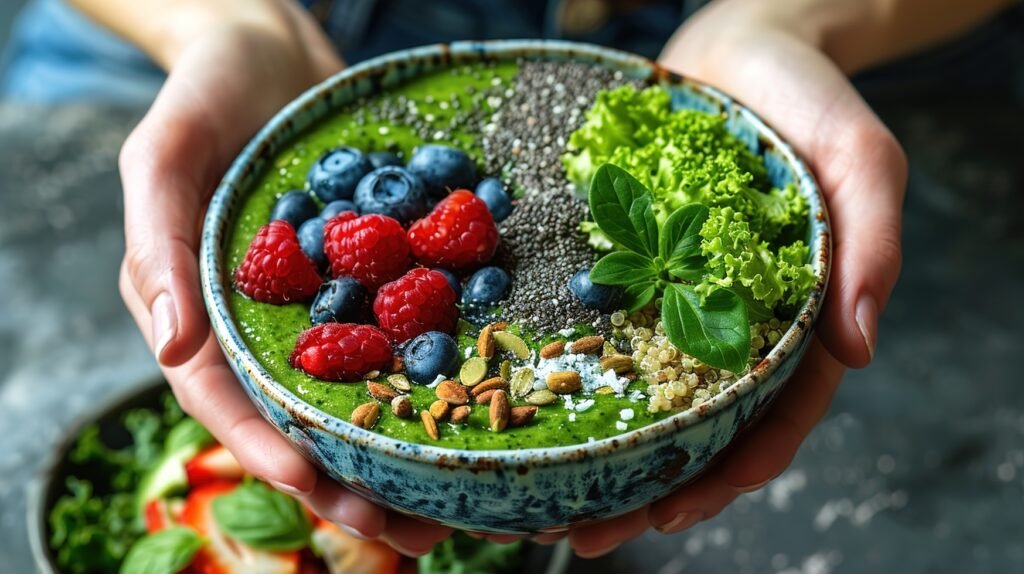
Some superfoods fail to deliver expected results primarily due to misconceptions about their nutrient absorption and individual dietary needs. For instance, the bioavailability of nutrients can vary significantly among different forms of the same superfood, such as fresh versus powdered versions. Additionally, the quality of the product matters; superfoods that are heavily processed or not sourced organically may lack the essential nutrients they promise. To maximize benefits, consumers should prioritize high-quality, minimally processed superfoods and consider how these foods fit into their overall dietary habits. Understanding these factors can help individuals achieve their health goals more effectively.
Understanding Nutrient Density
Nutrient density refers to the amount of essential nutrients per calorie in a food item. Superfoods are often marketed for their high nutrient content, but not all products labeled as superfoods are created equal. For instance, some may lack bioavailability, meaning the body cannot effectively absorb their nutrients. This can lead to disappointment when individuals do not see the expected health benefits.
When choosing superfoods, it’s essential to consider their source and how they are processed. Foods that undergo extensive processing may lose valuable nutrients, rendering them less effective than whole, minimally processed alternatives. For example, while acai berries are touted for their antioxidants, the powdered versions may not provide the same benefits as fresh berries. Understanding these nuances can help consumers make informed choices.
Quality of Superfoods
The quality of superfoods plays a significant role in their effectiveness. Products that are not organic or are grown with pesticides can contain harmful chemicals that negate their health benefits. Additionally, the way superfoods are harvested and processed can impact their nutrient content. For example, flash-freezing fruits and vegetables can preserve their nutrients better than traditional canning methods.
Moreover, consumers should be cautious of supplements claiming to contain superfoods without sufficient evidence of their potency. Not all products on the market are regulated, leading to discrepancies in nutrient levels. It’s crucial to choose reputable brands that provide transparency regarding their sourcing and processing methods. This ensures that you are getting the maximum benefits from your superfood choices.
Individual Dietary Needs
Individual dietary needs can significantly affect how superfoods impact health. For instance, a person with a gluten intolerance may not benefit from certain grains marketed as superfoods. Additionally, individual metabolic rates and gut health can influence nutrient absorption. What works for one person may not work for another, leading to varied results.
Furthermore, dietary restrictions or allergies can limit the effectiveness of superfoods in a person’s diet. For example, while chia seeds are often praised for their omega-3 fatty acids, individuals with certain allergies may not be able to consume them safely. Understanding your unique dietary needs is essential in selecting superfoods that will truly benefit your health.
Common Misconceptions
Many misconceptions exist around superfoods, leading to unrealistic expectations. One common belief is that simply adding superfoods to a diet will automatically improve health. However, achieving optimal health typically requires a balanced diet and lifestyle. Superfoods should complement a well-rounded nutrition plan rather than act as a magic solution.
Another misconception is that all superfoods are universally beneficial. For example, while kale is often hailed for its health benefits, it may not be suitable for everyone, particularly those with thyroid issues. Recognizing these misconceptions can help consumers approach superfoods with a balanced mindset, setting realistic expectations for their health journeys.
Frequently Asked Questions
What are superfoods?
Superfoods are nutrient-rich foods that are considered beneficial for health and well-being.
Why do some superfoods not work for everyone?
Individual dietary needs, allergies, and metabolic differences can affect how superfoods impact health.
How can I choose high-quality superfoods?
Look for organic options, check sourcing practices, and choose reputable brands.
Can superfoods replace a balanced diet?
No, superfoods should complement a balanced diet, not replace it.
What are common misconceptions about superfoods?
Many people believe that adding superfoods alone will improve health without considering overall diet and lifestyle.
Conclusion
Understanding why some superfoods fail to deliver expected results involves recognizing the importance of nutrient density, quality, and individual dietary needs. By choosing high-quality products and being aware of common misconceptions, you can make informed decisions that align with your health goals. Prioritize a balanced approach that integrates superfoods as part of a comprehensive nutrition strategy for the best outcomes.
Related Content
- Nutrient Dense Foods That Don’t Work for Weight Loss: Understanding Common Misconceptions and Their Impact
- Low-Potassium Foods for Everyday Meal Planning Without Losing Variety
- Superfoods That Support Liver Health and Detox Pathways: Essential Nutrients for Optimal Function
- How to Adjust Superfood Intake Based on Activity Level: Optimal Foods and Timing for Performance
- How to Evaluate the Effectiveness of Different Superfood Brands: Key Ingredients, Testing Methods, and Consumer Insights