
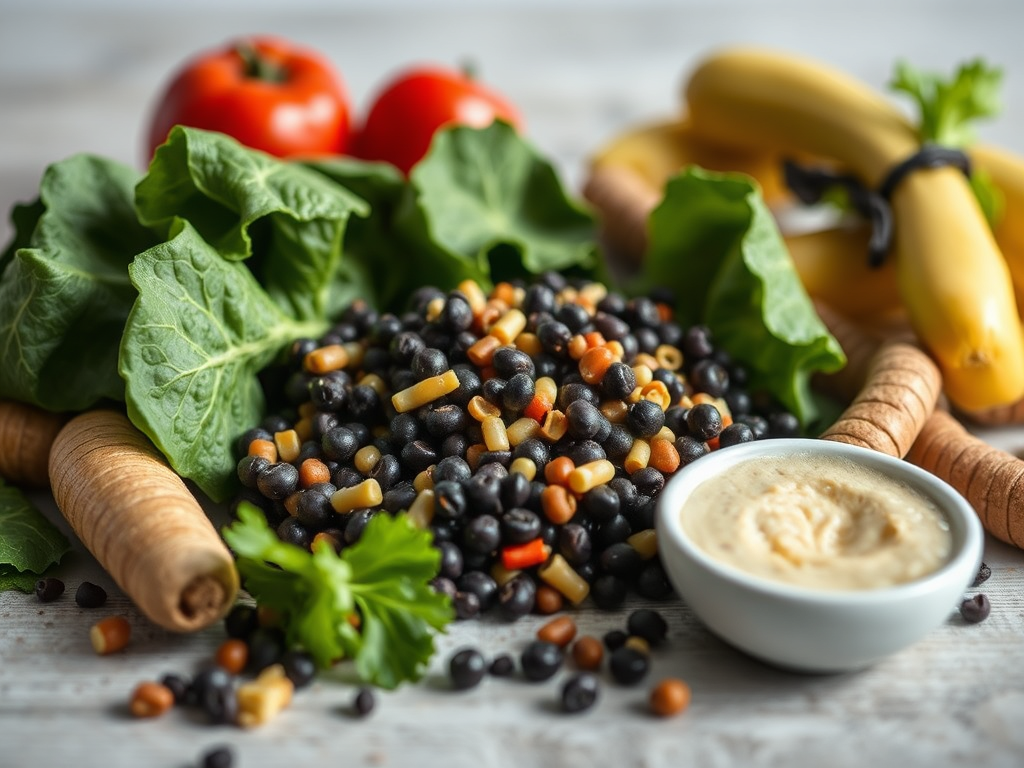
If a superfood isn't improving digestion, consider factors like individual dietary needs, food quality, and preparation methods. Many people assume that simply adding superfoods will lead to better digestion, but individual responses vary. It's essential to identify any underlying digestive issues, ensure proper food combinations, and explore alternative foods that may suit your body better, such as fermented foods or fiber-rich options.
Understanding Digestive Health
Digestive health is crucial for overall well-being, as it influences nutrient absorption, immune function, and energy levels. When incorporating superfoods into your diet, it’s essential to recognize that they may not universally enhance digestion for everyone. Factors such as individual gut microbiota, food sensitivities, and lifestyle choices play significant roles in how foods affect your digestive system. Understanding these elements is the first step in addressing why a superfood might not be yielding the desired results.
Each person has a unique digestive system, shaped by genetics, diet history, and even environmental factors. For some, a superfood may cause discomfort instead of relief. This could be due to the presence of compounds that trigger sensitivities or simply not aligning with one’s specific dietary needs. By acknowledging these individual differences, you can make more informed choices about which foods to include in your diet.
Common Mistakes with Superfoods
One of the most prevalent mistakes people make when incorporating superfoods is assuming they are a cure-all for digestive issues. For instance, many individuals might experience bloating after consuming certain superfoods like chia seeds or kale, which are high in fiber. This reaction often stems from sudden increases in fiber intake without allowing the digestive system to adjust.
Another mistake is not considering the quality of the superfood. Processed or low-quality superfoods may lack the nutrients and enzymes necessary for proper digestion. It’s crucial to select whole, organic options whenever possible. Additionally, combining superfoods incorrectly can lead to digestive distress. For example, pairing high-fat foods with high-fiber foods can hinder digestion for some individuals.
Identifying Underlying Issues
If a superfood isn’t improving digestion, it may be masking an underlying issue that needs attention. Conditions such as irritable bowel syndrome (IBS), food intolerances, or even more severe gastrointestinal disorders can significantly affect how your body responds to certain foods. Keeping a food diary can help identify patterns and trigger foods that worsen digestive symptoms.
Another factor to consider is the state of your gut microbiome. A healthy balance of gut bacteria is vital for digesting food effectively. If the microbiome is compromised, even superfoods may fail to deliver benefits. Probiotic-rich foods, like yogurt or fermented vegetables, can help support gut health and enhance digestion.
Alternative Foods for Better Digestion
When superfoods don’t seem to improve digestion, consider integrating alternative foods known for their digestive benefits. Fermented foods, such as sauerkraut, kimchi, and kefir, are excellent choices as they contain beneficial probiotics that support gut health. These foods can help alleviate symptoms of bloating and discomfort and promote overall digestive health.
Additionally, fiber-rich foods like oats, bananas, and legumes can aid digestion by promoting regular bowel movements. It’s essential to introduce these foods gradually to avoid overwhelming your digestive system. Hydration also plays a critical role; drinking plenty of water can help fiber function effectively in the digestive tract.
Frequently Asked Questions
Why might a superfood not improve my digestion?
Individual dietary needs, food quality, and preparation methods can all influence how a superfood affects digestion.
What are some signs that a superfood is not right for me?
Bloating, gas, or discomfort after consumption are common signs that a superfood may not be suitable for your digestive system.
How can I identify food intolerances?
Keeping a food diary to track symptoms can help identify patterns and specific foods that may trigger digestive issues.
Which alternatives can support digestion if superfoods fail?
Fermented foods like yogurt and sauerkraut, as well as high-fiber options like oats and bananas, can promote better digestion.
Is it possible to have too much fiber from superfoods?
Yes, suddenly increasing fiber intake can lead to bloating and discomfort; it's best to increase fiber gradually.
Conclusion
Understanding why a superfood isn’t improving digestion is essential for making informed dietary choices. Individual responses vary, and factors such as food quality and underlying digestive issues can significantly affect outcomes. By identifying potential mistakes, recognizing food intolerances, and exploring alternative digestive-friendly foods, you can enhance your digestive health effectively. Focus on whole, high-quality foods and listen to your body’s signals to find what works best for you.
Related Content
- How Do Organic Superfoods Compare To Regular Superfoods?
- Mushroom Nutrition Across Common Edible Varieties With Protein, Fiber, And Micronutrient Comparisons
- Complete Protein Foods for Balanced Eating: Plant and Animal Options for Better Meal Building
- How to Spot Misleading Superfood Claims on Packaging: Key Signs and Consumer Awareness
- Why Some Organic Whole Foods Are Overpriced: Understanding Market Dynamics and Consumer Choices