
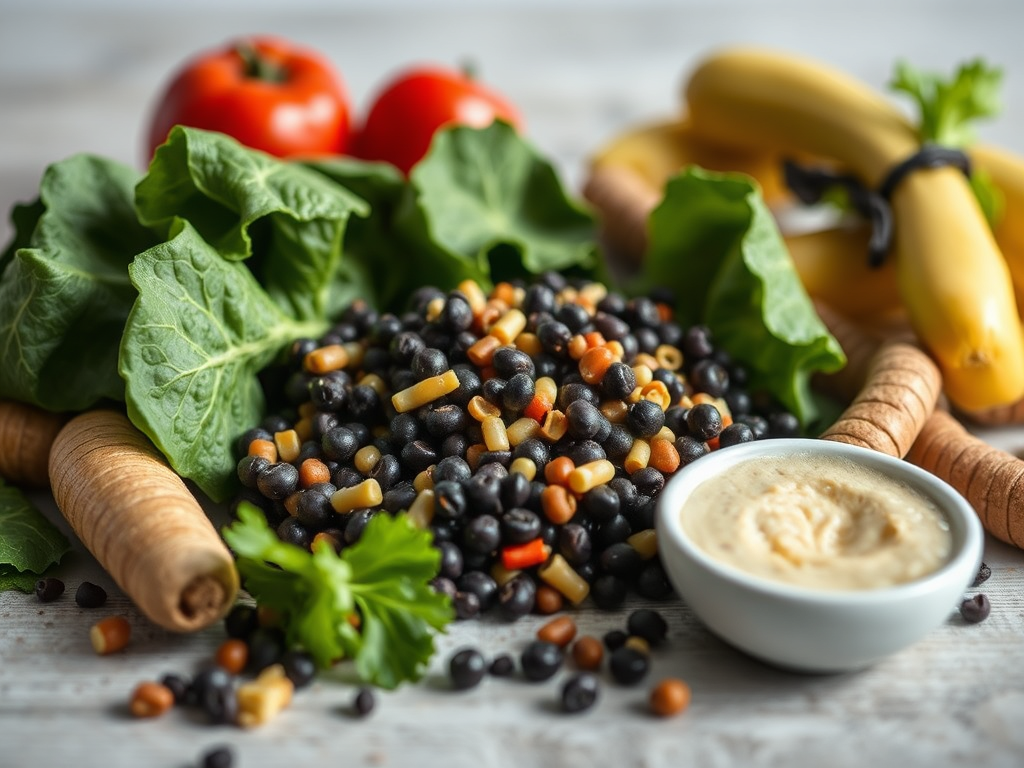
To choose whole foods that support recovery, prioritize nutrient-dense options like leafy greens, lean proteins, whole grains, and healthy fats. These foods provide essential vitamins, minerals, and antioxidants that aid in healing and reduce inflammation. Avoid processed foods high in sugar and additives, which can hinder recovery. Focus on incorporating a variety of colors in your meals to ensure a broad spectrum of nutrients necessary for optimal recovery.
Understanding the Role of Whole Foods in Recovery
Whole foods play a critical role in recovery by providing the body with necessary nutrients that support healing processes. Unlike processed foods, which often contain additives and preservatives, whole foods retain their natural nutrients, making them more beneficial for health. When recovering from an illness, injury, or intensive training, the body requires a variety of nutrients to repair tissues, strengthen the immune system, and reduce inflammation.
Choosing whole foods means opting for unrefined, minimally processed ingredients like fruits, vegetables, whole grains, nuts, seeds, and lean proteins. These foods are rich in vitamins, minerals, and antioxidants, which help combat oxidative stress and promote cellular repair. For instance, vitamin C from fruits like oranges and strawberries aids in collagen production, essential for tissue repair.
Key Nutrients for Recovery
Several key nutrients are particularly important for recovery:
- Proteins: Essential for muscle repair and growth. Sources include chicken, fish, beans, and legumes.
- Omega-3 Fatty Acids: Found in fatty fish, flaxseeds, and walnuts, these fats reduce inflammation and promote healing.
- Vitamins and Minerals: Vitamins A, C, D, E, and minerals like zinc and magnesium are crucial for immune function and recovery. Leafy greens, nuts, and seeds are excellent sources.
- Fiber: Supports digestive health, which is vital for nutrient absorption. Whole grains, fruits, and vegetables are high in fiber.
Incorporating a variety of these nutrients into your diet can significantly enhance your recovery process. For example, a meal combining quinoa (a whole grain), spinach (a leafy green), chicken (a lean protein), and a drizzle of olive oil (a healthy fat) provides a balanced array of nutrients that support healing.
Practical Tips for Choosing Whole Foods
When selecting whole foods to support recovery, consider the following practical tips:
- Shop the Perimeter: Most grocery stores have fresh produce, meats, and dairy around the perimeter. Focus on these areas to find whole foods.
- Read Labels: If purchasing packaged foods, look for those with minimal ingredients and no added sugars or preservatives.
- Plan Meals: Preparing a weekly meal plan can help ensure you include a variety of whole foods in your diet. Aim for colorful plates to maximize nutrient intake.
- Incorporate Seasonal Foods: Seasonal fruits and vegetables tend to be fresher and more nutrient-dense. Visit local farmers’ markets for the best options.
By implementing these tips, you can easily fill your diet with whole foods that provide the nutrients your body needs for effective recovery.
Common Mistakes to Avoid When Selecting Foods
While choosing whole foods is beneficial, there are common mistakes to watch out for:
- Overlooking Portion Sizes: Even healthy foods can contribute to weight gain if consumed in large quantities. Pay attention to portion sizes, especially with calorie-dense foods like nuts and seeds.
- Focusing Solely on One Food Group: A balanced diet includes various food groups. Relying too heavily on one type of food can lead to nutrient deficiencies.
- Ignoring Food Quality: Not all whole foods are created equal. Organic options may offer higher nutrient levels and fewer pesticides.
- Neglecting Hydration: Water is crucial for recovery. Ensure adequate hydration, especially when consuming high-fiber foods.
By avoiding these mistakes, you can enhance the effectiveness of your dietary choices and support your recovery more efficiently.
Frequently Asked Questions
What are whole foods?
Whole foods are unprocessed or minimally processed foods that retain their natural nutrients, such as fruits, vegetables, whole grains, nuts, and lean proteins.
How do whole foods support recovery?
Whole foods provide essential nutrients, vitamins, and minerals that aid in tissue repair, reduce inflammation, and strengthen the immune system during recovery.
Can I eat processed foods during recovery?
While occasional processed foods are fine, they should not be the mainstay of your diet, as they often lack the nutrients needed for optimal recovery.
What types of proteins are best for recovery?
Lean proteins such as chicken, turkey, fish, beans, and legumes are excellent choices for supporting muscle repair and overall recovery.
How can I ensure I get enough nutrients in my diet?
Incorporate a variety of colorful fruits and vegetables, whole grains, nuts, and lean proteins into your meals to ensure a broad spectrum of nutrients.
Conclusion
Choosing whole foods that support recovery is essential for optimal healing and health. By focusing on nutrient-dense options, you can provide your body with the necessary tools to heal effectively. Avoid common pitfalls such as relying on processed foods or neglecting portion control. Prioritize a balanced diet rich in proteins, healthy fats, and a variety of vitamins and minerals to enhance your recovery journey.
Related Content
- High-Calorie Nutrient-Dense Foods for Weight Gain—Food Examples and a Daily Eating Plan
- Issues With Over-Reliance on Superfood Supplements: Risks, Misconceptions, and Practical Alternatives
- Hidden Costs of Whole Food Diets: Budgeting for Nutritional Choices and Lifestyle Changes
- Steps to Take If Superfoods Lead to Weight Gain: Practical Adjustments and Nutritional Insights
- How to Effectively Combine Superfoods for Better Health: Foods, Methods, and Practical Strategies