
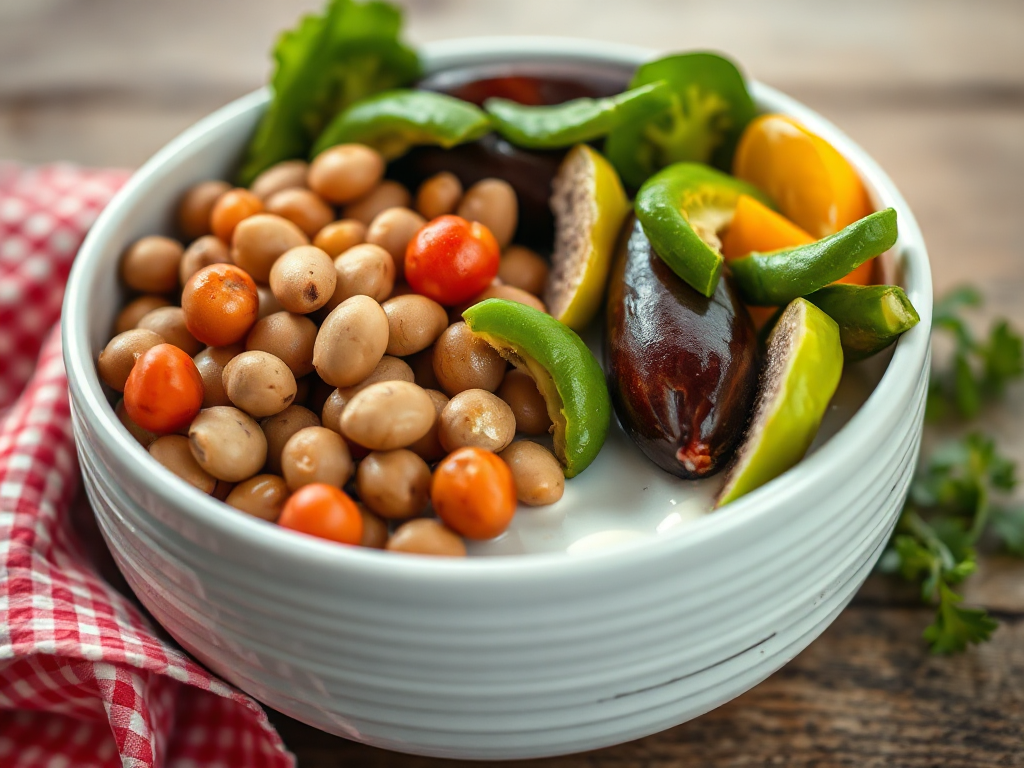
If your superfood choices lead to bloating, pause the newest or largest servings, identify fermentable ingredients and added fibers, then reintroduce smaller portions one at a time. Beans, lentils, cruciferous vegetables, dried fruit, chia, flax, and inulin-containing powders can increase gas when gut microbes ferment their carbohydrates. Swallowing smoothies quickly, increasing fiber without enough fluid, or combining several concentrated products can intensify discomfort. Keep a short food-and-symptom record, choose cooked produce while symptoms settle, and compare plain whole foods with sweetened powders. Seek medical advice for persistent or severe bloating, vomiting, weight loss, blood in stool, fever, or significant pain.
Why Nutrient-Dense Choices Can Cause Bloating
Bloating after a health-focused meal does not necessarily mean the ingredient is unhealthy or that your body cannot tolerate all high-fiber foods. Gas and abdominal fullness often reflect a sudden increase in fermentable carbohydrates, fiber, meal volume, or concentrated ingredients. Gut bacteria break down some carbohydrates that are not fully digested in the small intestine, producing gas as a normal part of fermentation. A large change in intake can make that process more noticeable.
Common contributors include beans, lentils, onions, garlic, broccoli, cauliflower, cabbage, apples, pears, dried fruit, chia, flax, wheat-based bran, and products containing chicory root or inulin. Some greens powders and protein blends combine several of these ingredients with sugar alcohols, which can add another source of digestive symptoms. The label matters more than the marketing category: a plain serving of oats is a different digestive challenge from a smoothie containing oats, chia, dates, pea protein, inulin, and a large amount of fruit.
Preparation and speed also influence the experience. Raw vegetables may be harder to manage than cooked vegetables for someone already feeling distended, while soaking and thoroughly cooking legumes can change their texture and may make portions easier to handle. Drinking a thick smoothie rapidly can introduce swallowed air and deliver a high amount of fiber and fruit in a few minutes. That does not prove the smoothie is the sole cause, but it gives you a useful variable to test.
A common mistake is to label every uncomfortable ingredient a “detox” reaction and continue increasing the dose. Bloating is not reliable evidence that a product is cleansing the body or working better. It is more useful to examine the serving size, ingredient list, preparation, timing, and symptoms that occur alongside the fullness. For broader context on choosing nutrient-dense options, see what to do if your superfood choices lead to bloating.
Find The Likely Trigger Without Removing Everything
A short, focused food-and-symptom record is usually more informative than eliminating an entire category of produce. Write down the meal, approximate portion, packaged-product ingredients, eating speed, bowel pattern, and when bloating began. Include factors that can alter digestion, such as constipation, a recent illness, menstrual-cycle changes, stress, or a new medication. The record is not a diagnostic test; it is a way to spot repeatable patterns.
Change one major variable at a time when practical. Suppose a breakfast smoothie contains spinach, banana, almond milk, chia, pea protein, and a fiber powder. Removing all six ingredients makes it impossible to know what mattered. A more useful trial might be a smaller smoothie with banana, milk, and protein for several days, followed by the gradual addition of one seed or powder. If symptoms improve only after the fiber powder is removed, its ingredients deserve closer attention, including inulin, psyllium, resistant starch, or sugar alcohols.
Consider the difference between dose-related discomfort and a repeatable intolerance pattern. A half-cup of lentils may be manageable while a large bowl causes pressure, whereas even a small amount of a particular ingredient may consistently produce symptoms. The first pattern may respond to portion and preparation changes. The second deserves more caution and, if persistent, professional assessment rather than repeated self-testing.
Do not assume that an expensive powder is gentler than ordinary food. Concentrated powders can contain multiple fibers, botanicals, sweeteners, and flavoring agents that are difficult to evaluate separately. Conversely, eliminating beans or vegetables permanently based on one oversized meal may unnecessarily reduce dietary variety. Prioritize the newest product, the largest dose, and combinations with several fermentable ingredients before restricting familiar foods.
Portions, Preparation, And Smoothie Adjustments
The fastest low-risk adjustment is often reducing the total digestive load rather than abandoning the food. Use a smaller serving of the suspected ingredient, eat it with a normal meal, and allow several days to observe the response. A person who reacts to a large bowl of beans might try a modest portion alongside rice and cooked vegetables. Someone affected by a tablespoon of chia may test a smaller amount with adequate fluid instead of adding several tablespoons to a smoothie.
Cooking can soften plant cell walls and make some foods easier to chew and digest. Steamed greens, roasted carrots, cooked zucchini, and well-cooked legumes may be more comfortable during a flare than a large raw salad. This is not a universal rule: cooking does not remove every fermentable carbohydrate, and individual responses vary. The practical aim is to lower mechanical volume and slow the pace of eating while you identify patterns.
Smoothies deserve special attention because they can combine ingredients that would be difficult to consume in one sitting. Try removing one concentrated fiber product, reducing fruit and seed quantities, and sipping the drink over a longer period. Compare a simple blend with a more complex recipe rather than assuming every component is harmless because it is plant-based. If a powder contains chicory root, inulin, erythritol, sorbitol, or other added fibers or sweeteners, test a version without it.
Fluid supports normal bowel function, but forcing large amounts of water will not reliably cancel an excessive fiber load. Rapidly adding fiber while remaining constipated can make pressure feel worse. A better comparison is a gradual increase paired with regular meals, ordinary hydration, movement, and attention to bowel frequency. The common failure mode is changing portion, ingredients, meal timing, and supplements simultaneously; that may bring short-term relief but leaves no clear lesson for future meals.
A Gradual Reintroduction Plan And Safety Checks
Once symptoms have eased, reintroduce useful foods systematically rather than returning immediately to the original recipe. Choose one item, use a small portion, and keep the rest of the meal familiar. Observe the next several hours and the following day, since digestive responses do not always appear immediately. If the food is tolerated, increase gradually on a later occasion. If symptoms return repeatedly, pause that trial and discuss the pattern with a clinician or registered dietitian.

A simple reset can look like this:
- Review the label: mark added fibers, sugar alcohols, protein concentrates, and herbal blends.
- Simplify meals: choose cooked produce, moderate portions, and fewer new ingredients for a short period.
- Record timing: note whether fullness follows the meal immediately or develops later.
- Retest selectively: add one ingredient back while keeping serving size controlled.
- Decide based on repetition: a consistent pattern matters more than one uncomfortable meal.
Do not use a restrictive reset to mask warning signs. Seek prompt medical care for severe or worsening pain, repeated vomiting, a swollen rigid abdomen, blood in stool, fever, fainting, or inability to pass stool or gas. Arrange a medical evaluation for persistent bloating, unexplained weight loss, ongoing diarrhea or constipation, anemia, or symptoms that interfere with eating and daily life. Those features can have causes unrelated to a particular superfood choice.
Food elimination can also create nutritional tradeoffs. Removing legumes, fruit, grains, and seeds at once may reduce fiber, carbohydrate, or micronutrient variety without identifying the actual trigger. A clinician may consider conditions such as constipation, lactose intolerance, celiac disease, irritable bowel syndrome, or other digestive disorders, but self-diagnosis from internet food lists is unreliable. The most useful long-term plan preserves as much variety as your symptoms allow while replacing, rather than simply deleting, important foods.
Frequently Asked Questions
Should I stop eating all superfoods if I feel bloated?
No. First review the newest item, serving size, preparation, and combination of ingredients. Broad elimination can reduce variety without identifying the cause.
Which superfood ingredients commonly increase gas?
Beans, lentils, cruciferous vegetables, dried fruit, chia, flax, inulin, chicory root, and some sugar alcohols may contribute, especially in large or combined servings.
Can a smoothie cause more bloating than whole food?
It can, because a smoothie may deliver a large amount of fruit, seeds, powders, and added fiber quickly. Simplifying the recipe and reducing the portion can clarify the response.
How long should I test a suspected trigger?
Use a short, consistent observation period and retest only when symptoms have settled. Repeated symptoms are more meaningful than a single episode; persistent problems merit professional guidance.
When does bloating need medical attention?
Seek care for severe pain, vomiting, blood in stool, fever, weight loss, a rigid swollen abdomen, or persistent symptoms with major bowel changes or difficulty eating.
Conclusion
Bloating after a nutrient-dense food is a signal to investigate the meal, not proof that every health-oriented ingredient is unsuitable. Review concentrated fibers and sweeteners first, reduce portions, favor simpler cooked meals temporarily, and record timing and bowel symptoms. Reintroduce ingredients one at a time so you can distinguish a large-dose problem from a repeatable sensitivity pattern. Keep nutritional variety in view: removing multiple food groups may create gaps and make the real trigger harder to find. Persistent or severe symptoms should not be managed through increasingly restrictive food experiments. A clinician or registered dietitian can help assess the broader digestive picture and build a plan that protects comfort while retaining appropriate fiber, plant foods, and nutrient variety.
Related Content
- How Can I Incorporate Whole Food Nutrition Into My Diet?
- High-Fiber Foods During Pregnancy Without Digestive Overload: A Gentle 5-Step Eating Plan
- How to Identify If a Superfood Is Sustainable: Key Criteria and Practical Assessment Methods
- Why Whole Food Supplements Are Better Than Multivitamins
- How to Choose High Quality Whole Food Superfoods: Key Nutritional Factors and Selection Steps