
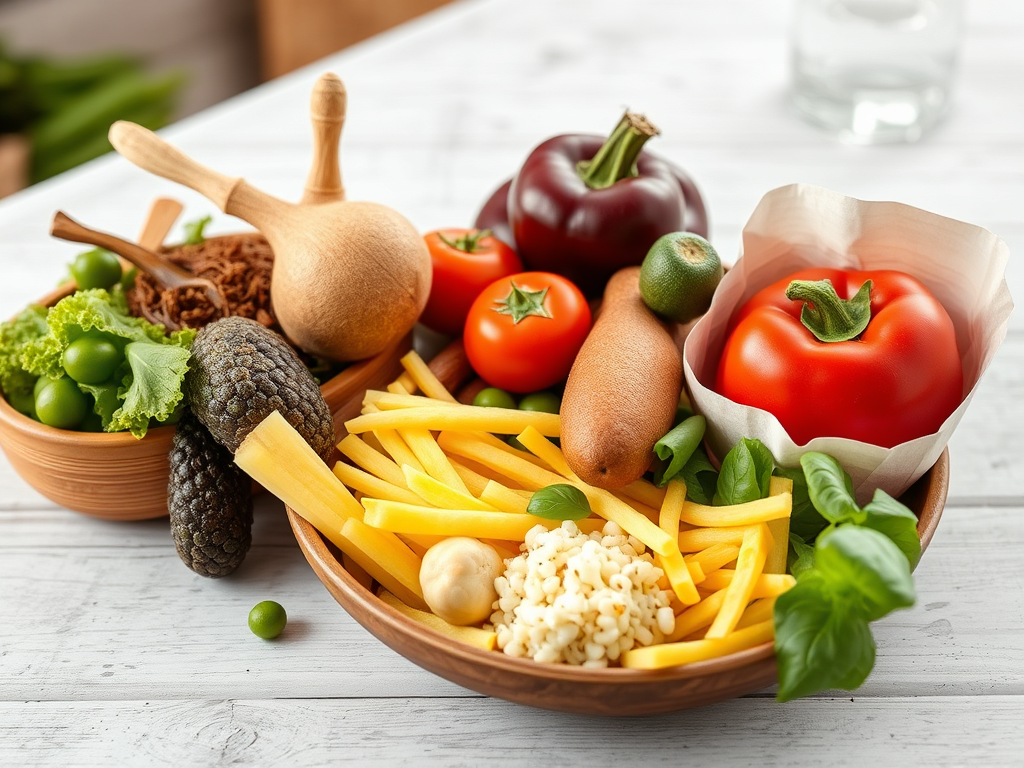
To effectively integrate superfoods into family diets, focus on incorporating nutrient-rich options like berries, leafy greens, and nuts into everyday meals. Start by adding these superfoods to smoothies, salads, and snacks, making them more appealing for children. Gradually introduce new foods alongside familiar ones to reduce resistance and encourage acceptance. Planning meals that incorporate superfoods can enhance overall nutrition while creating enjoyable eating experiences for the entire family.
Understanding Superfoods and Their Benefits
Superfoods are nutrient-dense foods that provide health benefits beyond basic nutrition. They are rich in vitamins, minerals, antioxidants, and other essential compounds that contribute to overall wellness. Integrating superfoods into family diets is important as they supports immune function, boost energy levels, and support healthy growth in children. For instance, foods like quinoa, kale, and blueberries are packed with nutrients that can enhance cognitive function and physical health.
It’s crucial to recognize that not all superfoods are created equal. While many are beneficial, some may not fit every family’s dietary needs or preferences. Understanding the unique attributes of each superfood can aid in making informed choices that align with family health goals. For example, incorporating omega-3-rich superfoods like chia seeds can support heart health, while high-fiber foods such as lentils can improve digestive health.
Practical Ways to Incorporate Superfoods
Integrating superfoods into daily meals can be straightforward with a few practical strategies. Start by introducing superfoods gradually, mixing them with familiar foods to ease the transition. For example, adding spinach to a fruit smoothie can provide essential nutrients without altering the taste significantly. Similarly, using avocado in sandwiches can enhance flavor while boosting healthy fat intake.
Another effective method is to involve children in the cooking process. When kids participate in meal preparation, they are more likely to try new foods. Create fun recipes that highlight superfoods, such as smoothie bowls topped with colorful fruits, nuts, and seeds. This not only makes the meal visually appealing but also encourages exploration of different flavors and textures.
Additionally, consider creating a superfood snack station at home. Stock it with options like mixed nuts, dried fruits, and whole-grain crackers. This encourages healthy snacking habits and makes superfoods easily accessible for kids. Pairing these snacks with yogurt or dips can further enhance their appeal.
Meal Planning with Superfoods
Meal planning is an effective approach to ensure that superfoods are consistently included in family diets. Start by designing a weekly menu that incorporates a variety of superfoods across different meals. For instance, plan for a quinoa salad with mixed vegetables and grilled chicken, or a stir-fry with broccoli and tofu.
When planning meals, aim to include at least one superfood in each dish. This can be as simple as adding berries to breakfast cereals or incorporating sweet potatoes into dinner recipes. By making superfoods a staple in your meal planning, you can improve the overall nutritional profile of your family’s diet without overwhelming them with drastic changes.
It’s also helpful to prepare meals in batches. Cook larger portions of superfood-rich dishes and freeze them for later use, ensuring you always have healthy options on hand. This not only saves time during busy weeks but also reduces the temptation to resort to less nutritious convenience foods.
Addressing Common Concerns
When integrating superfoods into family diets, some common concerns may arise, such as cost, accessibility, and taste preferences. It’s important to address these issues realistically. While some superfoods can be expensive, focusing on seasonal and local options can help manage costs. Foods like kale, sweet potatoes, and beans are often more affordable and can be used in various recipes.
Accessibility is another factor; not all families have access to specialty stores. However, many superfoods are available in regular grocery stores. Educating families about these options can make a significant difference. For instance, frozen fruits and vegetables can be just as nutritious as fresh ones and are often more budget-friendly.

Taste preferences can also pose a challenge, especially for children. To overcome this, parents can experiment with different cooking methods and pairings. Roasting vegetables, for example, can enhance their natural sweetness, making them more appealing. Patience and creativity are key in helping children develop a taste for new foods.
For additional insights into integrating superfoods into family diets, consider exploring resources that focus on nutritional education and meal planning strategies. Many reputable organizations offer guidelines and recipes that can support families in their journey towards healthier eating.
Frequently Asked Questions
What are superfoods?
Superfoods are nutrient-rich foods that provide health benefits beyond basic nutrition, often high in vitamins, minerals, and antioxidants.
How can I make superfoods appealing to my kids?
Involve kids in cooking, create fun recipes, and present superfoods in visually appealing ways to encourage their acceptance.
Are superfoods expensive?
While some superfoods can be pricey, focusing on seasonal and local options can help manage costs effectively.
Can frozen superfoods be as nutritious as fresh ones?
Yes, frozen superfoods can retain their nutritional value and are often more budget-friendly and convenient than fresh options.
How do I incorporate superfoods into meal planning?
Design a weekly menu that includes various superfoods in each meal, and prepare larger portions for easy access during busy weeks.