
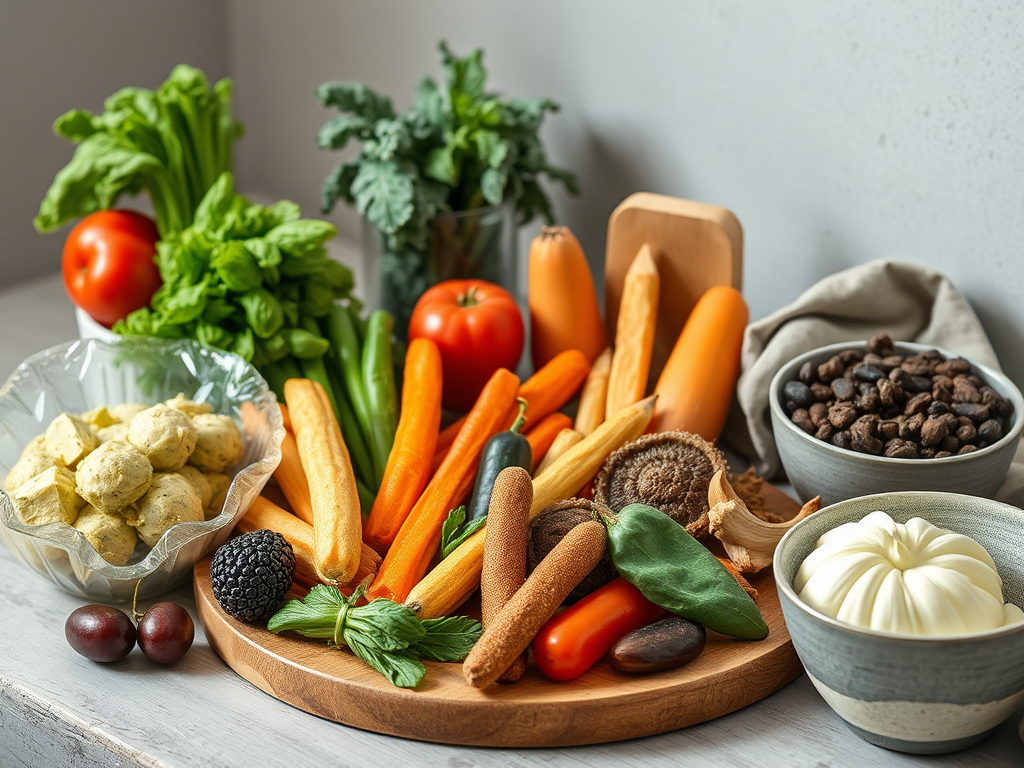
To identify the right superfoods for recovery, focus on nutrient-dense options that support muscle repair and reduce inflammation, such as berries, leafy greens, and nuts. Assess your specific recovery needs, whether it's muscle soreness or energy replenishment, and choose superfoods rich in antioxidants, omega-3 fatty acids, and vitamins. Avoid common pitfalls like over-relying on processed superfoods that may lack essential nutrients.
Understanding Recovery Needs
Recovery is a critical aspect of any fitness regimen, whether you are an athlete or someone engaging in regular physical activity. Recognizing your specific recovery needs can help you select the right superfoods. For example, if you experience muscle soreness after intense workouts, you may need foods that reduce inflammation and promote muscle repair. On the other hand, if you feel fatigued, incorporating superfoods that replenish energy levels will be essential.
Different types of recovery demands require different nutritional support. For instance, endurance athletes might prioritize carbohydrates for energy replenishment, while strength trainers might focus on protein-rich superfoods to aid in muscle repair. Understanding these needs will guide your selection process.
Nutritional Components of Superfoods
Superfoods are often touted for their exceptional nutrient profiles, which can be particularly beneficial for recovery. Key components to look for include antioxidants, omega-3 fatty acids, vitamins, and minerals. Antioxidants, found in foods like berries and dark chocolate, help combat oxidative stress in the body, which can be elevated after vigorous exercise.
Omega-3 fatty acids, abundant in foods like flaxseeds and walnuts, play a vital role in reducing inflammation, making them ideal for recovery. Additionally, vitamins such as Vitamin C and E are crucial for tissue repair and immune function. By incorporating a variety of superfoods rich in these nutrients, you can enhance your recovery process effectively.
Evaluating Superfoods for Your Goals
When selecting superfoods, it’s essential to align your choices with your specific recovery goals. If your focus is on muscle repair, consider protein-rich superfoods like quinoa, Greek yogurt, or legumes. These foods provide the necessary amino acids that are critical for muscle synthesis.
If your goal is to replenish energy after a workout, opt for carbohydrate-dense superfoods such as sweet potatoes, bananas, or oats. These foods not only restore glycogen levels but also provide essential vitamins and minerals that support overall health. Always assess how each superfood fits into your dietary needs and recovery strategy.
Common Mistakes in Superfood Selection
One of the most prevalent mistakes people make when selecting superfoods for recovery is over-relying on processed options. Many so-called superfood products are heavily processed and may lack the nutrients necessary for effective recovery. It’s crucial to prioritize whole, minimally processed foods that retain their natural benefits.
Another common pitfall is neglecting individual dietary needs. What works for one person may not be suitable for another, depending on various factors such as allergies, intolerances, or specific health conditions. Always consider your unique nutritional requirements and consult with a healthcare provider or nutritionist if necessary.
Frequently Asked Questions
What are the best superfoods for muscle recovery?
Some of the best superfoods for muscle recovery include quinoa, Greek yogurt, berries, and leafy greens, as they provide essential nutrients for repair and energy replenishment.
How do superfoods help with inflammation?
Superfoods rich in antioxidants and omega-3 fatty acids, such as turmeric and chia seeds, can help reduce inflammation by combating oxidative stress and promoting overall recovery.
Can I rely solely on superfoods for recovery?
While superfoods can significantly enhance recovery, they should complement a balanced diet rather than serve as the sole source of nutrition.
Are processed superfoods effective for recovery?
Processed superfoods may lack essential nutrients found in whole foods, making them less effective for recovery. It’s best to focus on natural, whole options.
How do I choose the right superfoods for my needs?
Identify your specific recovery goals, such as muscle repair or energy replenishment, and select superfoods that align with those needs while considering your dietary preferences.
Conclusion
Identifying the right superfoods for recovery involves understanding your individual nutritional needs and selecting foods that support those requirements. Prioritize whole, nutrient-dense options that align with your recovery goals. By avoiding common mistakes and focusing on the right components, you can effectively enhance your recovery process and overall performance.
Related Content
- Common Misconceptions About Superfood Sourcing: Myths and Realities
- How to Avoid Over-Reliance on Superfoods: Practical Steps and Common Misconceptions
- How to Balance Whole Foods With Superfood Intake: Effective Strategies for Nutritional Harmony
- How To Choose Superfoods For Digestive Health With A Fiber, Tolerance, And Meal-Fit Checklist
- How Does Whole Food Nutrition Compare To Processed Foods?