
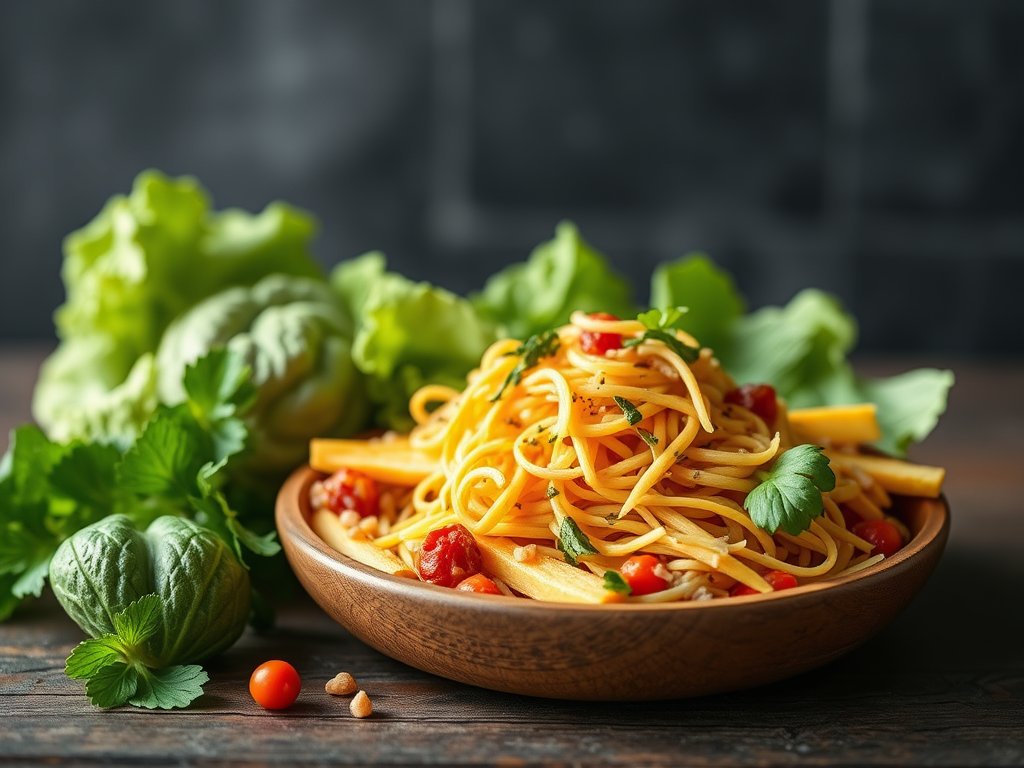
If a superfood isn’t satisfying, evaluate its flavor and texture, adjust serving sizes, and explore alternative preparations. Common issues include unappealing taste or mouthfeel, which can be addressed by mixing with other foods or trying different cooking methods. Additionally, ensure it fits your nutritional needs and consider swapping it for a different superfood that aligns better with your palate and health goals.
Understanding Flavor and Texture Issues
When a superfood isn’t satisfying, the first step is to identify specific flavor and texture issues. Superfoods like kale, chia seeds, or spirulina can often have strong, earthy flavors or gritty textures that may not appeal to everyone. Understanding these characteristics is crucial because food enjoyment directly impacts your willingness to consume these nutrient-dense options regularly. For instance, kale might be too bitter for some, while chia seeds can feel slimy when soaked in water.
Recognizing these issues allows you to take actionable steps. If a superfood tastes too strong, consider pairing it with milder ingredients to balance the flavor. For example, blending kale into smoothies with fruits like bananas or mango can mask its bitterness while enhancing the overall taste. Similarly, if chia seeds’ texture is off-putting, try incorporating them into baked goods where they can add moisture without being overly noticeable.
Adjusting Portions and Combinations
Another effective strategy when a superfood isn’t satisfying is to adjust the portion sizes or combinations with other foods. Sometimes, the quantity of the superfood can influence its palatability. For example, using a smaller amount of spirulina in smoothies can reduce its overpowering flavor while still providing nutritional benefits.
Additionally, combining superfoods can create a more appealing dish. Mixing quinoa with roasted vegetables and a light dressing can enhance its flavor and texture, making it more enjoyable. Experimenting with different ratios and combinations can lead to discovering new favorite recipes that incorporate superfoods without the dissatisfaction.
Exploring Alternative Preparations
If the flavor or texture of a superfood remains unappealing despite adjustments, exploring alternative preparations may yield better results. Cooking methods can significantly impact taste and consistency. For instance, roasting vegetables like broccoli or Brussels sprouts can caramelize their natural sugars, making them sweeter and more appealing compared to raw or steamed versions.
Moreover, consider using superfoods in different forms. Instead of whole chia seeds, try chia seed pudding, which offers a creamy texture when combined with almond milk and flavored with vanilla. Similarly, integrating powdered superfoods, such as maca or acai, into smoothies or energy bites can provide the nutritional benefits without the texture concerns associated with whole forms.
Nutritional Balance and Individual Needs
It’s essential to consider your overall nutritional balance when a superfood isn’t satisfying. Sometimes, dissatisfaction stems from a lack of essential nutrients your body craves. Ensure you’re consuming a variety of foods to meet your dietary needs. If a superfood isn’t working for you, it might be time to reevaluate your choices and explore alternatives that provide similar benefits.
For instance, if you find hemp seeds unappealing, you might substitute them with flaxseeds or walnuts, which offer similar omega-3 fatty acids. Keeping a diverse diet not only helps in meeting nutritional needs but also enhances the overall eating experience. Be open to trying new superfoods that may align better with your taste preferences and health goals.
Frequently Asked Questions
What should I do if a superfood tastes bad?
Try mixing it with other ingredients to balance the flavor or reduce the portion size.
Can I prepare superfoods in different ways?
Yes, exploring different cooking methods or forms can enhance their taste and texture.
How can I make superfoods more enjoyable?
Combine them with flavorful ingredients or try new recipes to improve their palatability.
What if I don’t like a specific superfood?
Consider substituting it with another superfood that offers similar nutritional benefits.
Are there any superfoods that are universally liked?
Taste preferences vary, but foods like berries and sweet potatoes tend to be widely enjoyed.
Conclusion
When a superfood isn’t satisfying, address the specific issues related to flavor and texture, adjust portions, and explore alternative preparations. Consider your nutritional needs and be open to trying different superfoods that may align better with your preferences. By taking these steps, you can enhance your dietary experience while still reaping the benefits of nutrient-rich foods.
Related Content
- How to Assess the Freshness of Superfoods: Key Indicators and Practical Tips
- How to Find Local Sources for Fresh Superfoods: Effective Methods and Community Resources
- What are the signs of nutrient deficiencies on a whole food diet?
- Nora Chandler
- What to Do If a Superfood Isn’t Improving Digestion: Common Mistakes and Effective Alternatives