
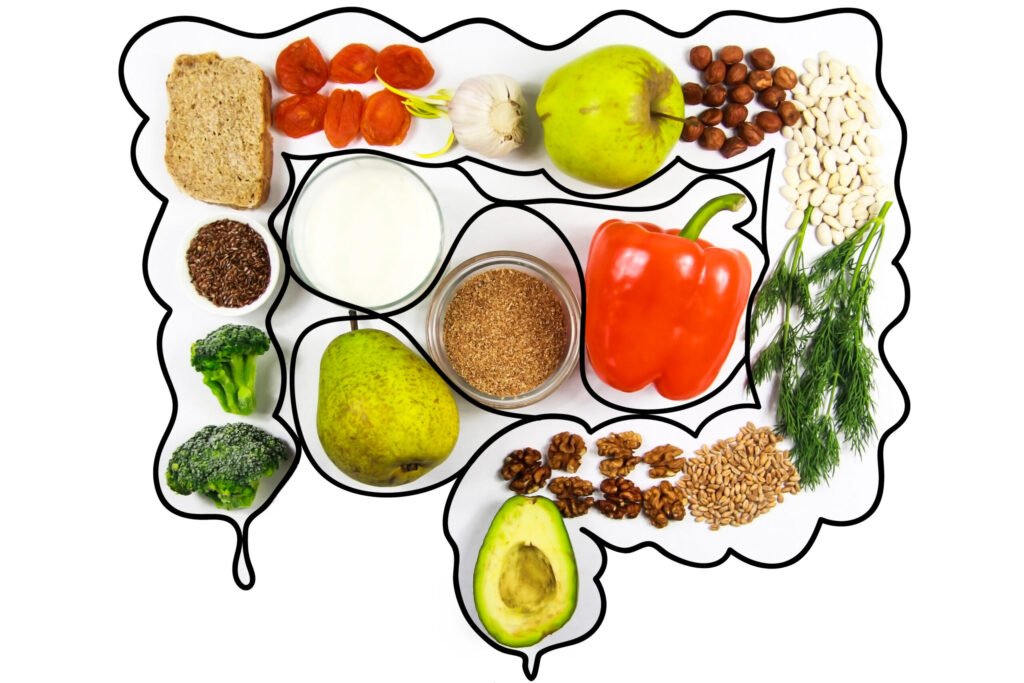
Creating a superfood diet plan involves focusing on nutrient-dense foods, ensuring nutritional balance, and incorporating practical steps to achieve your health goals. Prioritize whole foods like fruits, vegetables, nuts, and seeds while considering your dietary restrictions and preferences. Avoid common pitfalls such as over-relying on supplements or neglecting macronutrient balance. Tailor your plan to your lifestyle to maintain sustainability and effectiveness.
Understanding Superfoods and Their Benefits
Superfoods are nutrient-rich foods that offer health benefits beyond basic nutrition. They are typically high in antioxidants, vitamins, and minerals, which can contribute to overall health and well-being. When creating a superfood diet plan, it’s essential to understand the specific benefits of various superfoods, such as blueberries for their antioxidant properties, kale for its high vitamin K content, and quinoa as a complete protein source.
Including a variety of superfoods in your diet can help reduce inflammation, boost the immune system, and improve heart health. However, the term “superfood” can sometimes be misleading, as it suggests that these foods can single-handedly improve health. Instead, they should be viewed as part of a balanced diet.
Nutritional Balance in Your Diet
A successful superfood diet plan should emphasize nutritional balance. This means incorporating a mix of macronutrients: carbohydrates, proteins, and fats. While superfoods can provide essential vitamins and minerals, it’s crucial to ensure your diet also includes adequate carbohydrates for energy, healthy fats for hormone production, and protein for muscle repair and growth.
For example, pairing avocado (a healthy fat) with leafy greens (a superfood) creates a meal that is both nutrient-dense and balanced. Additionally, consider integrating whole grains, legumes, and a variety of fruits and vegetables into your meals to cover all nutrient bases. When planning meals, aim for a colorful plate, as different colors often indicate a range of nutrients.
Practical Steps to Incorporate Superfoods
To effectively incorporate superfoods into your diet, start by identifying which foods you enjoy and can easily integrate into your meals. Begin with small changes, such as adding a handful of spinach to your smoothies or swapping out white rice for quinoa. Meal prepping can also be beneficial, as it allows you to plan and prepare meals ahead of time, ensuring that superfoods are readily available when you need them.
Another practical step is to explore new recipes that feature superfoods. For instance, try making a chia seed pudding or a smoothie bowl topped with various fruits and nuts. Experimenting with different cooking methods, such as roasting or sautéing, can also enhance the flavors and make superfoods more appealing.
Common Mistakes to Avoid
When creating a superfood diet plan, it’s easy to fall into common pitfalls that can undermine your efforts. One mistake is relying too heavily on supplements instead of whole foods. While supplements can be beneficial in certain situations, they should not replace the nutrients found in natural foods.
Another common error is neglecting the importance of variety. Eating a wide range of superfoods ensures you receive a broad spectrum of nutrients. Additionally, be cautious of fad diets that promote extreme restrictions or elimination of entire food groups, as these can lead to nutritional deficiencies and may not be sustainable in the long run.
For those looking to delve deeper into the topic of superfoods and dietary planning, consider exploring resources from reputable health organizations and nutrition experts. They can offer valuable insights and research-backed information on effective dietary strategies.

Frequently Asked Questions
What are some examples of superfoods?
Examples of superfoods include blueberries, kale, quinoa, chia seeds, and salmon, all known for their high nutritional content.
How can I ensure a balanced diet while focusing on superfoods?
Incorporate a variety of macronutrients by including proteins, healthy fats, and carbohydrates alongside your superfoods to maintain nutritional balance.
Is it necessary to take superfood supplements?
No, it’s generally best to obtain nutrients from whole foods rather than supplements, as they provide a broader range of benefits.
Can superfoods help with weight loss?
While superfoods can support a healthy diet, weight loss ultimately depends on a calorie deficit and overall dietary choices.
What should I avoid when creating a superfood diet plan?
Avoid over-relying on supplements, neglecting variety, and following fad diets that eliminate entire food groups.
Conclusion
Creating a superfood diet plan requires careful attention to nutrient density, balance, and practicality. Focus on incorporating a variety of whole foods that provide essential nutrients while considering your personal preferences and lifestyle. By avoiding common pitfalls and maintaining a balanced approach, you can enjoy the health benefits of superfoods while supporting your overall well-being.
Related Content
- What Are Organic Superfoods And Why Are They Beneficial?
- How Can I Incorporate Superfood Nutrition Into My Daily Diet?
- What to Consider When Comparing Superfoods for Health Benefits: Key Nutritional Factors and Real-World Applications
- What To Do If Superfoods Disrupt Your Daily Routine: A Practical Reset Plan
- Mushroom Nutrition Across Common Edible Varieties With Protein, Fiber, And Micronutrient Comparisons