
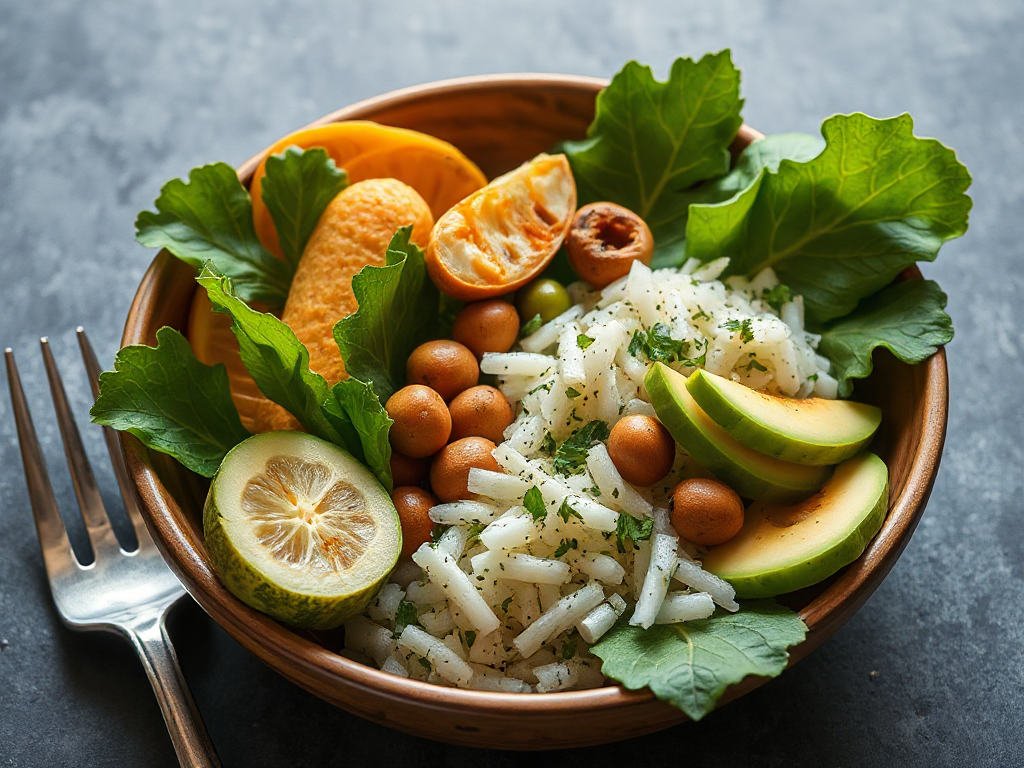
Choose superfoods by matching their dominant nutrients to your training goal, then test portion, timing, digestion, and total meal balance. For muscle gain, prioritize protein-rich options such as Greek yogurt, eggs, beans, tofu, or salmon; for endurance, pair carbohydrate sources such as oats, bananas, potatoes, or berries with fluids and sodium as needed; for recovery, combine protein with carbohydrate rather than relying on a powdered “superfood.” Check fiber and fat near workouts because large amounts may cause stomach discomfort, and treat unfamiliar products cautiously. A food earns a place in your routine when it fits your energy needs, budget, dietary restrictions, and measured training response—not simply because it has a fashionable nutrient label.
Match the Food to the Training Outcome
A useful superfood choice begins with a defined fitness target, not a list of fashionable ingredients. Muscle growth, endurance, strength, fat loss, and general training consistency place different demands on meals. A food rich in antioxidants may fit a varied diet, but it does not automatically provide the protein needed after resistance training or the carbohydrate needed before a long run.
For muscle-building goals, examine the meal’s total protein first. Greek yogurt, cottage cheese, eggs, fish, lean meat, soy foods, lentils, and beans are generally more useful than a low-protein juice or greens powder when the practical objective is to supply amino acids. Plant-based choices can work well, but combining them across the day and eating portions that suit the individual may matter more than labeling one ingredient a “superfood.”
Endurance sessions usually make carbohydrate availability more relevant. Oats, bananas, potatoes, rice, whole-grain bread, dates, and fruit can provide usable fuel, while beans and vegetables add fiber and micronutrients but may be uncomfortable immediately before intense exercise. Someone preparing for a long cycling session may benefit from oats and banana several hours beforehand, whereas a runner with a sensitive stomach may prefer a smaller, lower-fiber snack.
Fat-loss goals require a different judgment. A nutrient-dense food can still supply substantial energy, especially nuts, seeds, nut butter, granola, dried fruit, avocado, and oils. These foods are not “bad,” but unmeasured additions can quietly change a meal’s energy content. Choose them for satiety, flavor, or nutrient variety while keeping the portion consistent with the broader eating pattern.
Use how to find superfoods that align with fitness goals as a decision process: define the outcome, identify the nutrient demand, and then select a food that solves that demand without creating a digestion, budget, or preparation problem.
Evaluate Nutrients, Portions, and Workout Timing
The nutrition label and the serving you actually eat matter more than the ingredient’s reputation. Compare protein, carbohydrate, fiber, fat, sodium, added sugar, and total calories according to the workout context. Chia seeds may contribute fiber and fat, but they are not a complete pre-workout meal. Berries provide carbohydrate and plant compounds, but pairing them with yogurt or another protein source makes the snack more substantial for recovery.
Timing changes the best choice. Before training, many people tolerate a moderate carbohydrate portion with limited fat and fiber better than a large salad, heavy seed mixture, or bean-based meal. After training, combining protein and carbohydrate may make it easier to replace energy and assemble a balanced meal. There is no universal minute-by-minute rule; appetite, schedule, session length, and gastrointestinal tolerance determine whether a snack is useful.
Portion size should be scaled to the session rather than copied from a social-media recipe. A short, easy workout may not require an elaborate energy bowl, while a demanding session can expose the weakness of a meal that contains mostly vegetables and a small amount of protein. Start with a familiar portion, record how it feels, and adjust one variable at a time.
Consider whole-food form as well as nutrient content. A whole orange provides fluid, carbohydrate, and fiber; juice is easier to consume quickly but is less filling. Whole oats offer a slower, more substantial meal than a sweetened oat-based drink. Powdered products may be convenient, yet they can contain concentrated ingredients, sweeteners, or stimulants that do not suit everyone. Convenience is a valid reason to use a product, not proof that it is more effective.
- Before training: favor familiar carbohydrate and a manageable portion.
- After training: combine a meaningful protein source with carbohydrate when recovery demands it.
- Between sessions: prioritize complete meals, hydration, and enough total energy.
People often mistake a high nutrient density for workout suitability. A food may be excellent at breakfast but poorly timed before intervals because its fiber or fat slows digestion. That tradeoff does not make the food unhealthy; it means the serving and timing need to match the task.
Build Practical Food Combinations
Single ingredients rarely determine training results. Combinations are more useful because they distribute protein, carbohydrate, fat, and fiber across a meal. A recovery bowl might include Greek yogurt, oats, berries, and seeds; a plant-based version could use soy yogurt or tofu alongside oats and fruit. The precise ingredients can change, but the structure remains: a protein anchor, an appropriate energy source, and additions that improve taste or nutrient variety.
For strength training, lentil and quinoa salad can provide protein and carbohydrate, but a person with a larger protein requirement may need tofu, eggs, yogurt, fish, or another concentrated source alongside it. For endurance, a potato-and-egg meal may work well several hours before exercise, while a banana with yogurt may be more practical when time is limited. These examples show why “superfood” status is less informative than the role each food plays in the meal.
Budget and access deserve equal weight. Frozen berries, canned beans, oats, potatoes, eggs, plain yogurt, cabbage, and seasonal produce can support a performance-oriented diet without relying on expensive powders or imported berries. Canned and frozen foods may be nutritionally useful and easier to store; rinse canned beans when appropriate and check labels on sauces, flavored yogurts, and prepared mixes for added sugar or sodium.
Dietary restrictions also change the shortlist. Someone avoiding dairy can use fortified soy foods, tofu, beans, or fish if included in the diet. A person with celiac disease needs verified gluten-free choices rather than assuming that every grain or protein bar is safe. Food allergies, kidney disease, gastrointestinal disorders, pregnancy, and medication use can make generalized fitness nutrition advice unsuitable, so professional guidance may be warranted.
Use the internal resource how to find superfoods that align with fitness goals when comparing options, but judge each candidate by its place in a real meal. A colorful smoothie with fruit, greens, nut butter, and protein can be convenient, yet it may become energy-dense and less satisfying if portions are poured without measurement. The better alternative may be a bowl that requires chewing and makes the components visible.
Test, Adjust, and Avoid Common Mistakes
Fitness-aligned food choices should be tested like any other part of training. Introduce one new item or recipe at a time, use it on a lower-stakes session first, and note energy, hunger, stomach comfort, and recovery. If a food causes bloating before exercise, move it farther from training, reduce the portion, cook it differently, or replace it with a lower-fiber alternative. Persistent or severe symptoms should not be treated as a normal part of fitness eating.
A simple review after several sessions is more informative than judging a food from one workout. Ask whether the meal was practical, whether it supported the intended session, whether hunger returned unusually quickly, and whether preparation cost too much time or money. Signs of a workable choice include predictable digestion, stable energy, and easy repetition. Signs of a poor fit include recurring discomfort, skipped meals because preparation is complicated, or reliance on a product that does not provide the nutrient the goal requires.
Several assumptions commonly lead people astray. A green color does not guarantee adequate protein. A natural ingredient can still trigger an allergy or interact with a personal health condition. “Sugar-free” does not necessarily mean useful for endurance, and a large antioxidant dose is not a substitute for sleep, sufficient food, or a structured training plan. Products marketed as superfoods may also vary in contamination controls, serving size, and ingredient quality, so use reputable labeling and avoid treating marketing language as evidence.
Keep a short checklist for each candidate:
- Which training demand does it address: protein, carbohydrate, fluids, or meal quality?
- What portion can be prepared and tolerated consistently?
- Does it fit the workout time, dietary restrictions, budget, and total daily intake?
- What observable result will determine whether it stays in the routine?
Reassess when training volume, body weight, schedule, or dietary needs change. A snack that worked during casual exercise may be inadequate during a high-volume training block, while a large recovery meal may be unnecessary when activity decreases. The goal is not to collect impressive ingredients; it is to create repeatable meals that support training without introducing avoidable risks or complexity.
Frequently Asked Questions
What is the best superfood for muscle growth?
No single food is best. Choose a reliable protein source such as Greek yogurt, eggs, fish, tofu, beans, or lentils, then pair it with enough total energy and carbohydrate for the training plan.
Should superfoods be eaten before or after exercise?
Timing depends on tolerance and the session. Carbohydrate-rich, lower-fiber foods may suit pre-workout eating, while a post-workout meal often benefits from both protein and carbohydrate.
Are superfood powders necessary for fitness?
No. Powders can offer convenience, but whole foods often provide more meal satisfaction and clearer control over ingredients. Use a product only when its ingredients and purpose fit a genuine practical need.
How can someone choose superfoods on a budget?
Build around oats, potatoes, beans, eggs, plain yogurt, tofu, frozen produce, and seasonal foods. Compare cost per usable serving rather than buying based on novelty or package claims.
What if a supposedly healthy food causes digestive discomfort?
Reduce the portion, change the preparation, move it away from exercise, or substitute a lower-fiber option. Recurrent or severe symptoms merit discussion with a qualified healthcare professional.
Conclusion
Finding a useful superfood means matching the food’s actual contribution to the demand created by training. Protein-rich foods deserve priority for muscle-focused meals, carbohydrate sources become more useful around demanding endurance work, and fiber-rich produce is often easier to place in meals away from intense exercise. Portion, timing, tolerance, cost, and dietary restrictions can matter as much as the ingredient itself. Choose one realistic option, use it in a complete meal, and monitor digestion, hunger, energy, and training quality over several sessions. Replace foods that create recurring problems rather than forcing them into the routine because they are popular. A simple, repeatable combination that meets the goal is usually more valuable than an expensive ingredient with no clear role.
Related Content
- What Are The Best Superfoods For Optimal Nutrition?
- Understanding the Cost-Effectiveness of Organic Superfoods: Evaluating Nutritional Value, Long-Term Benefits, and Budget-Friendly Choices
- Steps to Take If Superfoods Are Not Improving Your Energy Levels: Identifying Causes and Adjustments
- Issues With Popular Superfood Trends and Their Impacts: Misconceptions, Health Risks, and Nutritional Trade-offs
- Contact Us