
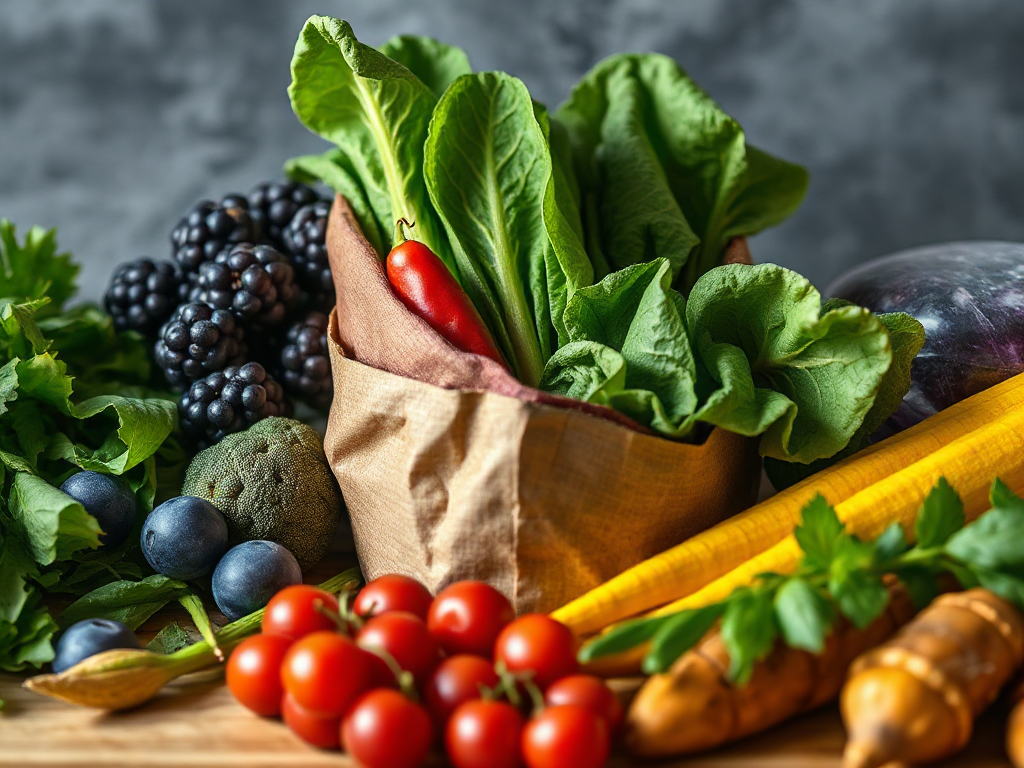
Recognize sustainable superfood options by checking farming or harvesting practices, supply-chain transparency, packaging, certification claims, and whether the product is genuinely nutrient-dense enough to justify its environmental cost. Look for specific information about origin, production methods, labor or sourcing standards, and recyclable or minimal packaging rather than relying on words such as “natural” or “eco-friendly.” Compare imported specialty powders with seasonal, regional whole foods that provide similar nutrients, and consider processing, refrigeration, air freight, and food waste. Organic certification may address certain agricultural practices, but it does not automatically prove low transport emissions or ethical labor. A practical choice balances verified sourcing, reasonable processing, nutrition, price, and a realistic likelihood that you will use the food.
What Sustainability Means For Superfoods
Sustainability is not a single attribute printed on a package. For a food marketed as a superfood, it describes how cultivation, harvesting, processing, transport, packaging, and disposal affect ecosystems and people over time. A product can be rich in fiber, minerals, or protective plant compounds and still carry significant environmental costs if it depends on fragile wild populations, intensive irrigation, long-distance air freight, or excessive packaging.
The first useful distinction is between nutritional value and environmental performance. “Superfood” is a marketing term rather than a regulated nutritional category. Blueberries, beans, oats, leafy greens, sea vegetables, nuts, seeds, and unsweetened cocoa can all contribute valuable nutrients, but no label can make an inherently resource-intensive item automatically sustainable. A responsible choice asks whether the food offers a meaningful role in the diet and whether its production story is credible.
Whole-food context matters. A locally available bag of lentils may provide protein, fiber, iron, and long storage life with less processing than a highly packaged plant-protein blend. A frozen berry can be a sensible alternative to fresh berries flown in out of season because freezing may reduce spoilage and extend usability. The comparison is not always “local versus imported”; it is often production method plus storage and waste versus the practical alternative.
Claims about sustainability also involve social conditions. A supply chain may protect soil while offering little information about worker safety, wages, land rights, or community impacts. Readers should not assume that a green logo answers every question. The strongest evaluation combines traceability, specific claims, sensible packaging, and a food that fits regular meals rather than becoming an unused purchase. For more context, compare environmental choices with how to recognize sustainable superfood options in the context of your normal eating pattern.
How To Read Labels And Certification Claims
Specific language is more useful than broad environmental wording. A label stating the growing region, crop, harvest method, producer relationship, and certification body gives shoppers something to assess. Phrases such as “clean,” “earth-friendly,” “planet positive,” or “green” may communicate a brand position without defining what was measured or verified.
Certification can provide a helpful starting point, but each seal covers a particular set of requirements. Organic certification generally relates to permitted agricultural inputs and production practices; it should not be treated as proof that a product traveled a short distance, used little water, or supplied excellent labor conditions. Fair-trade-style programs may address aspects of producer compensation or trading relationships, while environmental certifications may focus on fisheries, forests, or farming systems. The question is not whether a logo looks familiar, but what standard it represents and whether the claim applies to the whole product.
Traceability is especially important for powders, extracts, and blended products. A package may name the country where a blend was packed rather than where its ingredients were grown. Look for an ingredient-specific origin statement, a batch or lot reference, and a company page that explains its sourcing. If the product includes several botanicals, one impressive claim about a single ingredient does not describe the entire supply chain.
Common mistakes include treating “natural” as an environmental certification and assuming a premium price guarantees responsible production. A higher price may reflect small-scale sourcing, testing, marketing, or multiple distribution layers. Conversely, an inexpensive staple can come from an efficient supply chain without making a prominent sustainability claim.
- More credible: a defined standard, named certifier, identifiable origin, and explanation of what was assessed.
- Less informative: an unqualified green claim, vague imagery, or a logo with no accessible criteria.
- Worth questioning: a product with elaborate environmental packaging but no information about ingredients or sourcing.
When a claim cannot be checked, treat it as unverified rather than automatically false. Contacting a brand with a focused question—such as where the primary ingredient was grown and how the claim is measured—can reveal whether its transparency is substantive or superficial.
Comparing Origins, Processing, And Packaging
Origin affects sustainability, but distance alone is an incomplete measure. A crop’s water needs, fertilizer use, yield, refrigeration, transport mode, and spoilage rate can matter as much as the number of miles on a map. A regional product grown in a water-stressed area is not automatically preferable to an imported crop produced under more suitable conditions. The fairest comparison considers the whole route from field or ocean to kitchen.
Processing changes the equation. Dry beans, grains, seeds, and many whole fruits can be stored with relatively little energy after harvest. Powders and concentrated extracts may reduce shipping weight or food waste, yet they require milling, drying, extraction, or blending. Those steps may be reasonable when they preserve a seasonal crop or make an otherwise useful ingredient practical, but they are harder to justify when a familiar whole food supplies a similar nutrient at lower cost and with less packaging.
Consider a smoothie ingredient sold in a small pouch. The powder may be convenient and shelf-stable, but the package could combine a plastic-lined film, a cardboard carton, and an individual scoop. A bag of frozen spinach or a container of oats may offer a less dramatic marketing story while fitting more meals and generating less material per serving. The sustainable option is partly determined by actual use: a product that prevents repeated food waste may outperform a theoretically better option that sits unused.
Packaging should be assessed by material, quantity, reuse potential, and local recovery systems. “Compostable” packaging is not automatically compostable in a household system; it may require commercial facilities that are unavailable nearby. Glass can be reusable but heavier to transport. Lightweight plastic may reduce shipping weight but remains dependent on collection and recycling infrastructure. No material wins in every situation.
Seasonality offers a practical compromise. Choose fresh regional produce when it is abundant, use frozen or dried forms when they reduce spoilage, and reserve heavily packaged specialty products for a clear culinary or nutritional purpose. Refrigerated delivery, rapid shipping, and individually portioned packs deserve extra scrutiny because they can add energy and material costs. The best comparison is often between realistic options available at your store, not an idealized product from a distant marketplace.
A Practical Superfood Purchasing Checklist
A short decision process can prevent sustainability claims from overpowering basic nutrition and household practicality. Begin with the meal, not the label. Decide whether you need flavor, fiber, protein, a source of unsaturated fat, or a convenient way to use seasonal produce. A nutrient-dense food that replaces a less useful snack or prevents unused ingredients from spoiling has a clearer role than an expensive add-on with no regular use.
Next, compare the product with two accessible alternatives. For a berry powder, compare frozen berries and fresh seasonal berries. For a seed blend, compare ordinary chia, flax, pumpkin, or sunflower seeds. For a green powder, compare leafy greens, frozen vegetables, beans, or herbs used in meals. This does not mean the specialty item is always a poor choice; it clarifies what convenience or flavor premium you are paying for.
- Check the ingredient identity: confirm whether the product is a whole food, a concentrate, an extract, or a blend with added sweeteners.
- Find the origin: distinguish growing or harvesting location from the place where the package was assembled.
- Test the claim: identify the certification, standard, measurement, or sourcing policy behind environmental language.
- Assess the route: consider refrigeration, rapid delivery, drying, milling, and the likelihood of spoilage.
- Inspect the package: choose a size you will finish and avoid unnecessary layers or single-use portions.
- Check your behavior: favor the option you can prepare regularly without wasting it.
A useful priority order is verified sourcing first, then a reasonable production and storage profile, then packaging, and Ultimately price and convenience as practical constraints. That order is not absolute. Someone with limited cooking equipment may reasonably choose a shelf-stable powder, while another shopper may prefer bulk staples. Sustainability includes durable habits; an inaccessible choice is unlikely to remain part of the diet.
Watch for signs that the decision is working: the product appears in planned meals, the package is used completely, and the brand can answer basic origin questions. Warning signs include repeated impulse purchases, unclear blended ingredients, excessive delivery packaging, and reliance on a single logo as proof of every ethical and environmental benefit. A skeptical but proportionate approach is more useful than demanding perfect information or dismissing all certifications.
Food safety remains separate from sustainability. Keep perishable foods cold, follow storage directions, and be cautious with unfamiliar wild-harvested products or concentrated supplements. Sustainability claims do not establish purity, dosage, or medical suitability. Readers managing allergies, pregnancy, medications, or health conditions should treat concentrated products differently from ordinary culinary foods and seek qualified advice when needed. Use how to recognize sustainable superfood options as a purchasing lens, not as a substitute for nutrition or safety judgment.
Frequently Asked Questions
Is organic food always the most sustainable choice?
No. Organic certification addresses defined production practices, but not every transport, packaging, water, labor, or waste issue. Compare the full supply chain.
Are locally grown superfoods better than imported options?
Not automatically. Season, farming method, refrigeration, transport mode, and spoilage all matter. Local seasonal produce is often practical, but imported dried or frozen foods may also be sensible.
Do superfood powders have a sustainability advantage?
Sometimes. Drying can extend shelf life and reduce spoilage, but milling, packaging, and ingredient transport add impacts. Compare the powder with a whole-food substitute you will actually use.
What should a transparent sustainability label include?
Look for a defined claim, identifiable standard or certifier, ingredient origin, sourcing explanation, and information about the product’s scope. Vague green wording provides little evidence.
How can shoppers avoid wasting sustainable products?
Buy a small size first, plan specific meals, check storage requirements, and choose frozen or dried forms when fresh versions regularly spoil. Actual use is part of the environmental calculation.
Conclusion
Recognizing a sustainable superfood means looking beyond a leaf-shaped logo or a premium price. Check where the ingredient was grown or harvested, which production or labor claims are verified, how much processing and packaging it requires, and whether a seasonal or ordinary whole-food alternative would serve the same purpose. Treat organic, fair-trade, recyclable, and carbon-related claims as separate pieces of information rather than a single sustainability score. Then apply the final test: will the food fit your meals and be used completely? A modest, transparent choice that prevents waste can be more responsible than a highly marketed specialty product. Start with one commonly purchased item, compare its origin and package with two alternatives, and adjust future purchases based on evidence and actual household use.
Related Content
- 10 Surprising Benefits of Whole Food Superfoods for Your Health
- Can Superfoods Really Replace Multivitamins? (What Science Says)
- Can Superfoods Improve Gut Health Without Supplements: Top Foods and Their Benefits
- Impact of Food Processing on Nutrient Retention: Key Factors and Practical Insights
- What To Do If Superfood Supplements Lead To Nausea: Identifying Causes and Effective Remedies