
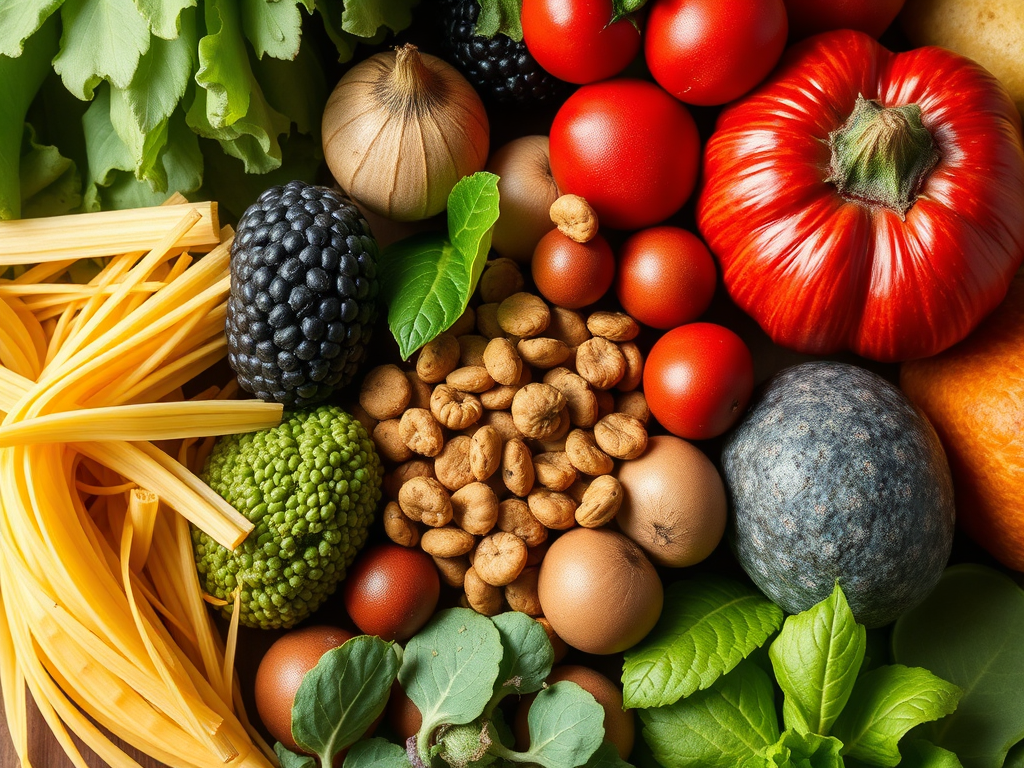
When selecting superfoods for detox, prioritize whole or minimally processed foods with useful fiber, vitamins, minerals, and plant compounds rather than products promising to remove toxins. Check the ingredient panel for concentrated extracts, added sugars, laxative herbs, contaminants, and unclear serving sizes, then compare the item with ordinary foods such as berries, leafy greens, beans, oats, and cruciferous vegetables. A practical choice should fit your digestion, medications, allergies, budget, and normal eating pattern. Remember that the liver, kidneys, lungs, and digestive tract already handle waste removal; superfoods can complement these systems through adequate nutrition but cannot replace medical care or a balanced diet.
Define the Detox Goal Before Choosing an Ingredient
A useful detox food choice begins with a specific nutrition goal, not a vague promise about cleansing. The body already relies on the liver, kidneys, gastrointestinal tract, lungs, and skin to process and eliminate waste. Foods may support normal nutrition, hydration, bowel regularity, and antioxidant defenses, but no berry, powder, tea, or juice has been shown to substitute for those organs or “flush” toxins on demand.
Clarify what you actually want to change. Someone seeking more fiber may benefit from beans, lentils, oats, chia seeds, raspberries, or broccoli. Someone eating very few vegetables may need convenient frozen produce rather than an expensive greens powder. A person trying to reduce alcohol, highly sweetened drinks, or heavily processed meals has a different priority from someone managing constipation. Choosing the ingredient after identifying the gap prevents a dramatic label from dictating the plan.
Context changes the sensible option. Raw cruciferous vegetables may be nutritious, but cooked versions can be easier to tolerate for someone with digestive sensitivity. A whole orange supplies fiber and chewing satisfaction, while orange juice supplies less fiber and is easier to consume quickly. Neither comparison makes one item universally “detoxifying”; it shows why the food’s form and the eater’s needs matter.
A common mistake is treating a short cleanse as a health reset while ignoring inadequate calories, protein, sleep, hydration, or medication considerations. Use what to consider when selecting superfoods for detox as a decision question: what nutritional function will this choice provide, and can it fit safely into ordinary meals?
Compare Nutrient Density With Detox Marketing
Nutrient density is more useful than a “detox” claim. Examine whether a food contributes fiber, protein, potassium, folate, vitamin C, carotenoids, or other relevant nutrients in a realistic serving. Leafy greens, berries, legumes, garlic, onions, citrus, oats, nuts, seeds, and cruciferous vegetables can all contribute different nutrients and plant compounds. Their value comes from the overall dietary pattern, not from a special cleansing action.
Fiber deserves particular attention because it adds bulk to stool, feeds parts of the gut microbiome, and can make meals more filling. Increasing it suddenly through large amounts of chia, psyllium, or powdered greens may cause bloating or constipation if fluid intake is inadequate. Start with a modest serving and increase gradually. A bowl of oatmeal with berries and ground flax may be more practical than a concentrated drink because it combines fiber with a familiar meal and clearer portion control.
Marketing often highlights one antioxidant, color, or exotic origin while hiding the product’s limitations. “Natural” does not automatically mean low-risk, and a deep color does not establish a detox effect. Juice cleanses can deliver substantial sugar with little fiber; herbal blends can contain stimulant or laxative ingredients; powders may vary in taste, concentration, and testing. Compare the promised outcome with what the item actually delivers nutritionally.
Consider variety rather than choosing a single star ingredient. Dark leafy greens provide different nutrients from berries, while beans contribute protein and fiber that most fruit-based products lack. If budget is tight, frozen vegetables, canned beans rinsed under water, seasonal produce, and plain oats may provide stronger everyday value than imported powders. The better choice is the one that fills a real nutrient gap repeatedly, not the one with the most impressive packaging.
Inspect Forms, Labels, Quality, and Safety
Product form can change both the nutritional profile and the risk. Whole produce usually makes ingredients and portions easy to identify. Juices remove much of the original fiber. Powders may concentrate compounds and make it easy to take multiple servings without noticing. Capsules and detox teas can contain botanicals that interact with medicines or produce unwanted gastrointestinal effects.
Read the complete label rather than relying on the front panel. Look for an ingredient list, serving size, added sugars, sodium, proprietary blends, allergens, caffeine, laxative herbs, and statements about testing or storage. A blend that lists ten ingredients without their amounts makes comparison difficult. Products with unclear sourcing or extravagant promises deserve more caution, especially when they are marketed as treatments for disease or as replacements for meals.
Safety also depends on the person using the product. Pregnancy, breastfeeding, kidney or liver disease, food allergies, digestive disorders, and prescription medicines can change the risk profile of concentrated supplements. People taking medicines with narrow safety margins should ask a pharmacist or clinician before adding herbal products. Seek medical advice for jaundice, persistent vomiting, blood in stool, severe abdominal pain, unexplained weight loss, or other symptoms that a food product should not be expected to address.
For example, a plain beetroot powder and a multi-herb “cleanse” are not interchangeable. The first has a narrower ingredient profile, while the second may introduce several poorly understood variables. Whole cooked beets may be the simpler choice for a meal, even if a powder is more portable. Convenience has value, but it should not erase label transparency or reasonable risk assessment.
Keep a short record when trying a new concentrated product: serving used, time taken, other new foods, digestive symptoms, and any unusual reaction. Stop rather than escalating the dose if the product causes cramping, diarrhea, rash, palpitations, or other concerning effects. This method cannot prove cause, but it makes patterns easier to discuss with a qualified professional.
Build a Sustainable Selection and Meal Plan
The strongest selection is one that improves an existing meal without creating an extreme eating pattern. Pair a plant food with protein, healthy fat, and enough carbohydrate to make the meal satisfying. Lentil soup with greens, roasted vegetables with salmon or tofu, or yogurt with berries, oats, and seeds offers more nutritional structure than a juice-only day. This approach also makes it easier to notice whether the plan is supporting energy and regular digestion.
Use a priority order when comparing options. First remove obvious safety concerns and unsupported treatment claims. Next choose the least processed form that you will actually eat. Then check fiber, protein, added sugar, serving size, cost, and storage. To wrap up, consider variety across the week. A perfect ingredient that spoils unused is less useful than frozen spinach or canned legumes that become part of several meals.
Real-life constraints should shape the decision. A commuter may use frozen berries and unsweetened plain yogurt; a family may add chopped vegetables to pasta sauce; a person with limited cooking equipment may rely on no-salt-added beans, microwavable whole grains, and prewashed greens. These options do not need a detox label to support a more nutrient-dense pattern. If raw produce causes discomfort, cooked vegetables, soups, and stews may be a better route to variety.
Watch for signs that the approach is failing: persistent hunger, dizziness, diarrhea, worsening constipation, avoidance of major food groups, or spending that cannot be maintained. A plan is working more plausibly when meals remain adequate, digestion is comfortable, and the selected foods appear regularly without displacing protein or necessary calories. Do not interpret temporary water loss from a restrictive cleanse as evidence that toxins were removed.
For a simple trial, select two fiber-rich plant foods, two colorful produce choices, and one convenient protein source. Use them in normal meals for a week, adjust portions to tolerance, and reassess cost and enjoyment. That practical experiment provides more useful information than switching among several powders at once. Readers comparing meal structure can also review what to consider when selecting superfoods for detox alongside their usual whole-food planning.
Avoid Common Detox Selection Mistakes
The most frequent error is assuming that a named superfood compensates for an unbalanced pattern. Adding spirulina to a diet low in calories, skipping meals, or relying on sweetened smoothies does not create nutritional completeness. Another mistake is confusing a bowel movement or increased urination with toxin removal. Laxatives and diuretics can change those sensations without improving the underlying diet, and repeated use may create problems.
Single-food thinking is another weak assumption. Kale, turmeric, berries, or green tea can fit a varied diet, but no single item supplies every nutrient or addresses every health concern. Rotate ingredients and use ordinary foods as the baseline. If a supplement is chosen for convenience, treat it as a supplement to meals rather than the foundation of a cleanse.
Prioritize evidence and transparency over exotic appeal. Guidance from government nutrition agencies, university extension programs, and recognized medical or consumer-safety organizations can help distinguish nutrient information from product advertising. Evidence may be stronger for a food’s general nutrient contribution than for a branded detox outcome, so match the claim to the quality of support behind it.
The safest next step is usually modest: replace a sugary drink with water, add a serving of vegetables to lunch, include beans or oats for fiber, and maintain adequate meals. For individualized needs, especially medical conditions or medication use, a registered dietitian, pharmacist, or clinician can help evaluate concentrated products more appropriately than a marketing page can.
Frequently Asked Questions
Do superfoods remove toxins from the body?
No. The liver, kidneys, digestive tract, and lungs perform normal waste-processing functions. Nutrient-rich foods may support overall health but should not be presented as toxin-removal treatments.
Which food qualities matter most for a detox-oriented diet?
Prioritize fiber, nutrient density, minimal processing, low added sugar, transparent labeling, and a form that fits your meals and digestion.
Are detox powders better than whole foods?
Not automatically. Powders can be convenient, but whole foods usually provide clearer portions and less concentrated ingredients. Compare the label and use case rather than assuming superiority.
Can detox teas be unsafe?
Some contain laxative herbs, stimulants, or botanicals that may cause side effects or interact with medicines. Check every ingredient and seek professional advice when health conditions or medications are involved.
What is a practical first choice for most people?
Choose familiar foods such as vegetables, berries, beans, oats, nuts, and seeds, then build balanced meals instead of beginning with a restrictive cleanse or multiple supplements.
Conclusion
Selecting superfoods for detox is mainly a matter of matching credible nutrition to a real need. Favor whole or minimally processed ingredients that provide fiber and varied nutrients, and treat powders, juices, and herbal blends as products requiring closer label and safety review. A practical choice should fit your budget, digestion, medications, and normal meals rather than depend on a short-term cleansing promise. Build variety with vegetables, fruits, legumes, whole grains, nuts, and seeds, then judge the plan by adequate meals, comfortable digestion, and long-term consistency. If symptoms, pregnancy, chronic disease, or medication use complicate the decision, get individualized advice before using concentrated products.
Related Content
- Common Mistakes When Adding Superfoods to Your Diet: Key Missteps to Avoid for Better Health
- What to Do If a Superfood Isn’t Improving Digestion: Common Mistakes and Effective Alternatives
- What to Do If Whole Foods Don’t Provide Enough Energy: Identifying Nutritional Gaps and Boosting Vitality
- Issues With Relying Solely on Superfood Powders: Understanding Nutritional Gaps and Health Risks
- Issues With Integrating Whole Foods Into a Busy Lifestyle: Practical Solutions and Common Mistakes