
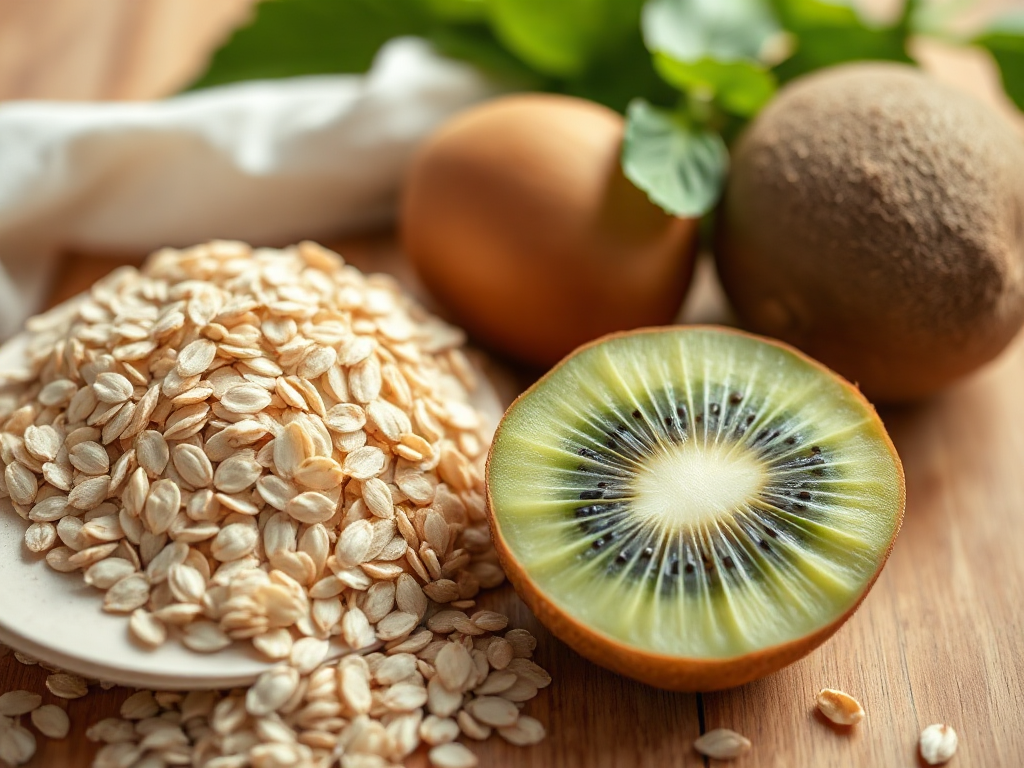
Choose superfoods for digestive health by matching fiber type, fermentation tolerance, hydration, and preparation to your current symptoms and eating pattern. Prioritize whole foods such as oats, kiwi, berries, beans, lentils, leafy greens, and fermented yogurt, but introduce higher-fiber choices gradually because a sudden increase may cause gas, cramping, or loose stools. Soluble fiber can be gentler for some people, while resistant starch and fermentable carbohydrates may be harder to tolerate during a flare. Check ingredient labels on powders for added sweeteners and concentrated fibers, use one new item at a time, and seek medical advice for persistent pain, bleeding, unexplained weight loss, or ongoing bowel changes.
Match Fiber And Fermentation To Your Digestive Pattern
Digestive-health choices work best when they reflect how your body responds to fiber, fluid, fat, and fermentable carbohydrates. “Superfood” is a marketing term rather than a clinical category, so a food deserves priority because of its nutrient profile and your ability to eat it comfortably. Oats, chia seeds, lentils, berries, kiwi, leafy greens, and plain yogurt can all be nutrient-dense choices, but they do not behave identically in the digestive tract.
Soluble fiber absorbs water and forms a softer gel, which may be useful for stool consistency in some people. Insoluble fiber adds bulk and may support regularity, but a large amount can feel abrasive or uncomfortable when someone is already bloated. Fermentable fibers are used by gut microbes and produce compounds associated with normal colon function, yet fermentation also produces gas. That is why a bean-heavy meal may be nutritious but poorly tolerated when introduced abruptly.
Begin by identifying the pattern you are trying to improve rather than selecting the most fashionable ingredient. Someone with infrequent, hard stools may benefit from gradual increases in oats, kiwi, cooked vegetables, legumes, and fluids. Someone who mainly experiences bloating may need smaller portions, thorough cooking, and slower changes. Loose stools call for attention to portion size, concentrated sweeteners, excess caffeine, and very rich meals rather than an automatic increase in bran or raw greens.
A common mistake is treating “more fiber” as the complete answer. Fiber without enough fluid can worsen discomfort for some people, and several high-fiber foods eaten together can make it impossible to identify the trigger. Use how to choose superfoods for digestive health as a process of matching, not a contest to consume the greatest number of ingredients.
Prioritize Whole-Food Options And Useful Nutrients
The strongest starting point is usually a varied whole-food selection that supplies fiber, vitamins, minerals, and plant compounds without relying on concentrated doses. Oats provide soluble fiber; berries contribute fiber and polyphenols; kiwi offers fiber and can be easy to portion; beans and lentils provide fiber and plant protein; and cooked greens add folate, vitamin K, and minerals. Plain yogurt with live cultures may suit people who tolerate dairy, while unsweetened fermented vegetables can provide a small, flavorful portion of fermented food.
Food quality matters more than a superfood label. Compare a bowl of oats topped with kiwi and berries with a sweetened “digestive” bar containing chicory root fiber, sugar alcohols, and several isolated ingredients. The bar may contain more advertised fiber, but the concentrated ingredients can cause gas or diarrhea in sensitive people. Whole foods also make portion size and overall meal composition easier to judge.
Choose based on the nutrient or function that fills a gap. If meals contain little fiber, adding a spoonful of ground flax to oatmeal may be more practical than buying an expensive greens powder. If plant protein is limited, lentils or tofu may contribute more to a balanced meal than a small serving of a powdered berry blend. If vegetables cause discomfort when raw, roasted carrots, zucchini, spinach, or squash can deliver nutrients with a softer texture and lower chewing burden.
Evidence does not support assuming that one ingredient repairs the microbiome or treats a digestive disorder. Responses vary with medical history, medication use, lactose tolerance, bowel pattern, and the rest of the diet. A food journal can connect a choice with portion, preparation, and symptoms, but it should not become a reason to eliminate broad food groups without professional guidance. The practical priority is variety that remains comfortable enough to repeat.
Introduce New Choices Without Overloading Your Gut
Change one meaningful variable at a time and give your digestion enough opportunity to show a pattern. A useful trial might be adding one-quarter cup of cooked lentils to lunch several times during a week, or replacing a low-fiber breakfast with a modest serving of oats. Increasing both legumes and chia, switching to raw salads, and adding a probiotic drink on the same day creates too many simultaneous changes.
Preparation can alter tolerance. Soaking and thoroughly cooking beans may make them easier for some people to digest, although it does not guarantee symptom relief. Ground seeds are often easier to incorporate than large dry seeds, and cooked vegetables may be more comfortable than equivalent raw portions. Rinsing canned beans can reduce some of the liquid components that bother certain eaters. These are practical experiments, not universal treatments.
Hydration and meal size also influence the result. A high-fiber breakfast eaten quickly with little fluid may feel very different from the same ingredients spread across a meal and eaten slowly. A large smoothie can deliver fruit, seeds, leafy greens, and added fiber faster than a person would normally eat them. Chewing, portion control, and regular meals may matter as much as the ingredient selected.
- Choose one new item: Keep the rest of the meal familiar.
- Start with a modest serving: Increase only if comfort and stool changes remain acceptable.
- Record preparation and timing: Raw, cooked, blended, and fermented forms may not feel the same.
- Review the result: Look for less straining, more predictable stools, or reduced reliance on highly processed snacks—not instant transformation.
The failure mode to avoid is abandoning an entire food category after one uncomfortable meal. Gas may reflect a portion that was too large, a rapid fiber increase, or several fermentable ingredients combined. Repeated severe symptoms deserve clinical assessment rather than increasingly restrictive self-experiments. For more structured meal decisions, how to choose superfoods for digestive health should include both the intended benefit and the signs that a trial is not suitable.
Evaluate Powders, Labels, And Everyday Meal Fit
Powders can be convenient, but convenience does not make a product more effective than a whole food. Check the serving size, total fiber, added sugars, sugar alcohols, inulin or chicory root, herbal blends, caffeine, and allergen statements. A product marketed for digestion may contain several concentrated fibers that are difficult to tolerate, while a plain protein or fruit powder may be easier to assess because its ingredient list is shorter.
Look for a role the product can realistically serve. A freeze-dried berry powder may add flavor and some plant compounds when fresh fruit is unavailable, but it should not replace the texture and fullness of a varied meal. A psyllium product is a specific fiber supplement rather than a general superfood, and it requires careful attention to directions, fluid, medication timing, and personal tolerance. People with swallowing problems, bowel narrowing, or significant symptoms should ask a clinician before using concentrated fiber products.

Budget and routine are legitimate selection criteria. Frozen berries, oats, canned lentils, carrots, cabbage, and plain yogurt may offer more repeatable value than premium blends. A food that spoils before it is eaten or requires an elaborate recipe is unlikely to improve the diet consistently. Pairing a new choice with an existing habit—oats at breakfast, beans in soup, kiwi with lunch—makes the experiment easier to track.
Read labels critically rather than assuming organic, fermented, raw, or “detox” means digestive-friendly. Fermented foods can be salty or acidic, and some people do not tolerate them well. Raw products may have texture or food-safety concerns that cooking would reduce. “Natural” sweeteners can still trigger symptoms in sensitive individuals. A smart purchase is one with a clear ingredient list, a manageable serving, and a defined place in a normal meal.
Use a simple decision filter before buying: Does it provide a nutrient or fiber type you actually need? Can you begin with a small portion? Is the product transparent about ingredients? Will it fit meals you already eat? If the answer is no, a basic whole-food alternative is often the more reliable choice. Related meal planning ideas can be found through how to choose superfoods for digestive health.
Frequently Asked Questions
Which superfoods are usually easiest to start with?
Oats, ripe kiwi, cooked carrots, berries in modest portions, and plain yogurt for people who tolerate dairy are practical starting points. Introduce one at a time.
Can superfoods make bloating worse?
Yes. A sudden increase in fiber, large servings of beans, concentrated chicory or inulin, sugar alcohols, and oversized smoothies may increase gas or loose stools.
Are powders better than whole foods for digestion?
Usually not by default. Powders may be convenient, but whole foods make ingredients, portions, and overall meal balance easier to evaluate.
How quickly should a new food be increased?
Use a modest serving first and increase gradually only if symptoms remain comfortable. Keep other dietary changes stable so the response is easier to interpret.
When should digestive symptoms be medically assessed?
Seek medical advice for persistent or severe pain, blood in stool, unexplained weight loss, repeated vomiting, fever, dehydration, or ongoing changes in bowel habits.
Conclusion
Choosing digestive-friendly superfoods is less about finding a single exceptional ingredient and more about selecting foods your body can tolerate repeatedly. Start with whole-food sources of fiber and nutrients, use cooking and portion size to improve practicality, and introduce only one substantial change at a time. Oats, kiwi, berries, legumes, cooked vegetables, and plain fermented foods can all have a place, but none should be treated as a cure or guaranteed microbiome solution. Check supplement labels carefully, particularly for concentrated fibers and sugar alcohols. Track useful signals such as stool consistency, comfort, and meal satisfaction, then adjust rather than forcing a food that repeatedly causes trouble. Persistent, severe, or alarming symptoms need medical evaluation instead of further dietary experimentation.
Related Content
- What to Prioritize When Selecting Superfoods for Health: Key Nutritional Elements and Practical Considerations
- What To Prioritize When Incorporating Whole Foods: A Practical Meal-Building Checklist
- What to Consider When Combining Superfoods for Maximum Nutritional Benefit
- What to Consider When Selecting Superfoods for Children: Nutritional Needs, Safety, and Practicality
- Hearts of Palm Nutrition and Fiber Content for Salads, Snacks, and Balanced Meals