
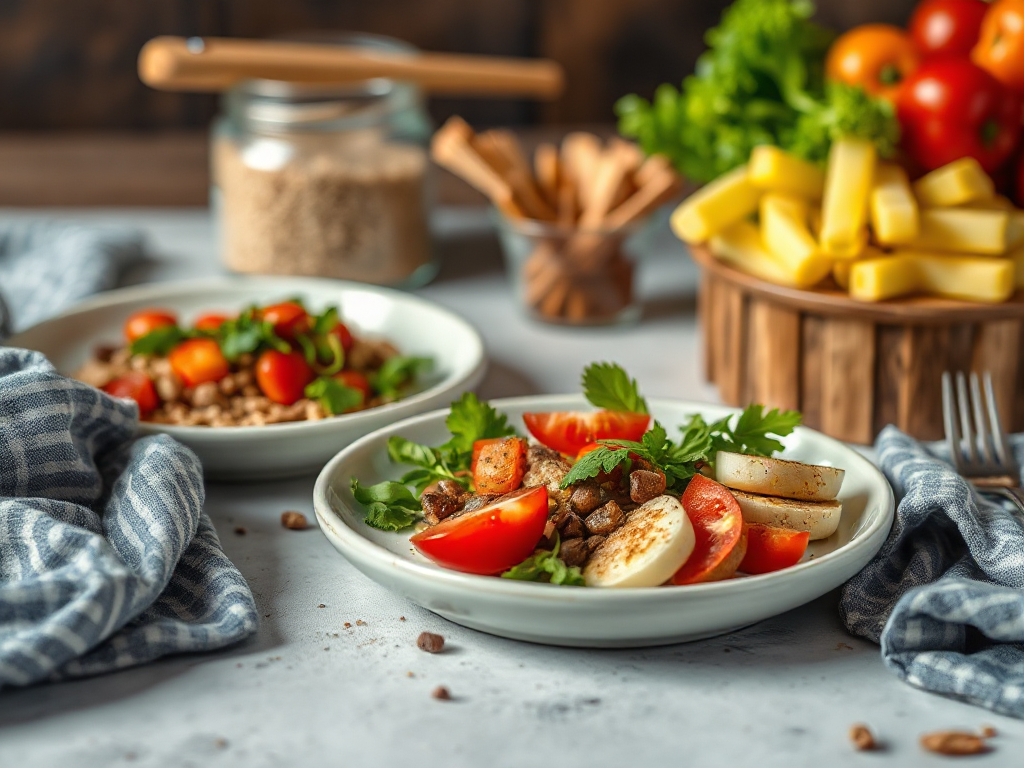
When incorporating whole foods, prioritize dietary balance, minimally processed ingredients, adequate protein and fiber, personal tolerance, and meals you can prepare consistently. Build plates around vegetables or fruit, beans or another protein source, whole grains or starchy vegetables, and a modest amount of unsaturated fat rather than chasing isolated “superfoods.” Check labels on packaged staples for added sugar, sodium, and ingredient complexity, then adjust portions and preparation to fit your energy needs, budget, culture, and schedule. Introduce major increases in fiber gradually with enough fluids, and treat food sensitivities or medical diets as reasons to seek individualized professional advice rather than making broad restrictions.
Build Meals Around Balance and Adequacy
The first priority is a meal pattern that supplies enough energy and a broad range of nutrients, not a short list of fashionable ingredients. A useful starting point is to combine produce, a protein-rich food, a high-fiber carbohydrate, and a source of unsaturated fat. That combination gives the meal structure while leaving room for personal preferences. A bowl of lentils with roasted vegetables, brown rice, and olive oil follows the same logic as a salmon, potato, and green-bean plate.
Balance matters because emphasizing one category can create a different problem. A diet built almost entirely from raw vegetables may provide plenty of volume but fall short on energy, protein, or culinary satisfaction. Conversely, adding nuts, avocado, or large amounts of oil to every dish can make portions energy-dense without necessarily improving the meal’s overall pattern. The most useful question is not whether a single ingredient is “healthy,” but what role it fills and what the rest of the plate lacks.
Use the whole-food incorporation priorities as a planning check: identify the protein, add colorful produce, select a filling carbohydrate, and then adjust fat and portion size. Someone with a physically demanding job may need more grains, potatoes, or beans than someone eating a smaller evening meal. A person managing a clinician-directed diet may need different choices altogether. Nutrition information from USDA FoodData Central can help compare foods, but numbers should inform decisions rather than turn every meal into a calculation.
A common mistake is treating variety as a shopping challenge that requires unfamiliar powders, seeds, or expensive produce. Variety can come from ordinary foods: oats, eggs, chickpeas, frozen spinach, apples, canned tomatoes, plain yogurt, and whole-grain bread all contribute different nutrients and uses. Begin by improving the structure of meals you already eat. That approach is usually more reliable than replacing familiar dishes with an elaborate plan that does not fit the household.
Choose Minimally Processed Foods Without Ignoring Convenience
Processing exists on a spectrum, so the practical priority is to favor foods close to their original form while recognizing that useful processing can improve safety, storage, and access. Frozen vegetables, canned beans, pasteurized milk, plain canned fish, and rolled oats can all fit a whole-food pattern. Rinsing canned beans can reduce some of the surface sodium, while frozen produce can prevent waste when fresh ingredients are difficult to use quickly.
Whole foods are not automatically better simply because they are fresh, homemade, or sold with a health-oriented label. A homemade dessert still contains sugar and refined flour; a large serving of an energy-dense trail mix can exceed the role intended for a snack; and a packaged soup may be convenient but high in sodium. Read the ingredient list and Nutrition Facts label when a product is mixed or ready to eat. Look for the food’s main ingredients, added sugars, sodium, fiber, and protein, then compare similar products rather than judging a package by front-label claims.
Convenience is a real constraint, not a character flaw. A person who works late may be more successful keeping frozen vegetables, microwaveable brown rice, canned beans, and prewashed greens available than buying fresh ingredients that spoil. The tradeoff is that convenience products may cost more per serving or contain more sodium. Pairing them with unprocessed ingredients can improve the overall meal: use a lower-sodium canned chili with extra beans and frozen vegetables, or add a bagged salad to a store-bought rotisserie chicken meal.
The failure mode to avoid is an all-or-nothing definition of “clean” eating. It can lead to unnecessary food rules, wasted groceries, and avoidance of nutritious options simply because they came from a package. Prioritize ingredient quality and nutritional role, then use preparation time, storage life, price, and accessibility to choose the version you can actually eat. Planning whole-food meals should reduce friction, not create a second job.
Prioritize Fiber, Protein, and Food Tolerance
Fiber and protein deserve early attention because they influence fullness, meal structure, and how well a new eating pattern works in daily life. Beans, lentils, peas, whole grains, vegetables, fruit, nuts, and seeds supply fiber in different amounts and types. Protein can come from fish, poultry, eggs, dairy, tofu, tempeh, beans, and other foods. Combining these categories often produces a steadier, more satisfying meal than relying on a low-fiber snack or a single “superfood.”
Increase fiber gradually rather than moving abruptly from a low-fiber diet to large servings of bran, beans, raw vegetables, and seeds. A sudden increase may cause gas, bloating, constipation, or diarrhea, especially when fluid intake and meal timing remain unchanged. Try adding half a cup of beans to a meal several times a week, choosing oats at breakfast, or replacing part of a refined grain with a whole-grain option. If digestion remains uncomfortable, reduce the change, examine portion size and preparation, and consider whether a health professional should assess persistent symptoms.
Tolerance also shapes what deserves priority. A food can be nutrient-dense and still be a poor routine choice for someone with an allergy, intolerance, swallowing difficulty, or medically prescribed restriction. Cooking may make some vegetables easier to tolerate, while canned or peeled versions may change texture and fiber exposure. That does not make one method universally superior. A person who tolerates cooked carrots but not a large raw salad should not be pressured to eat the salad to meet an abstract ideal.
Protein needs and food choices vary with age, activity, appetite, health conditions, and dietary pattern. A vegetarian meal may need a deliberate combination of tofu, lentils, dairy, eggs, or another protein source instead of assuming vegetables alone will cover the role. A common mistake is adding fiber-rich foods while removing too many calories or protein sources, leaving the person hungry and unlikely to continue. Track practical signals: meals should remain satisfying for a reasonable interval, digestion should be manageable, and energy intake should fit the person’s needs. For supplements or medically relevant nutrition concerns, NIH and MedlinePlus resources provide safer starting points than influencer claims.
Make Whole-Food Changes Practical and Sustainable
The best priorities are the ones that survive a busy week. Start with the meals eaten most often and change one component at a time. If breakfast is usually sweet cereal, try oats with fruit and plain yogurt, or choose a higher-fiber cereal and add eggs on the side. If dinner relies on takeout, keep a short list of fast combinations such as canned beans with frozen vegetables and rice, or whole-grain pasta with tomato sauce, tuna, and spinach.
Use a small planning system rather than attempting a perfect weekly menu. Choose two proteins, two carbohydrates, several produce items, and one or two sauces or seasonings. Prepare only what is likely to be used. Cooked grains can serve several meals, but preparing large quantities of delicate greens may create waste. Frozen fruit, dried lentils, canned tomatoes, and shelf-stable whole grains provide a useful backup when fresh shopping is not possible.
Budget changes the order of priorities. Beans, lentils, oats, potatoes, cabbage, carrots, bananas, eggs, and frozen vegetables often provide more practical value than expensive branded products marketed as nutrient powerhouses. Organic purchasing may be a personal preference, but it should not displace adequate food, variety, or protein when money is limited. Seasonal produce and store brands can lower cost without requiring a major change in meal quality.

Review the plan after one or two weeks. Signs that it is working include fewer last-minute food decisions, meals that keep you satisfied, manageable preparation, and less unused produce. Signs that it is failing include repeated hunger, digestive distress, excessive expense, or reliance on complicated recipes. Adjust the system instead of blaming yourself: use smaller fiber increases, simpler ingredients, different textures, or more convenient options. The whole-food decision checklist should ultimately answer four questions: Is the meal nourishing, tolerable, affordable, and realistic for this household?
Avoid Common Assumptions About “Whole” Eating
“Whole” does not mean every food must be unprocessed, raw, organic, locally grown, or free of all packaged ingredients. Those assumptions can distract from more consequential choices, such as whether meals contain enough protein, whether produce is actually eaten, or whether sodium and added sugar are excessive. A plain frozen vegetable may be a better routine choice than fresh produce that repeatedly spoils, while a lightly processed whole-grain bread may be more useful than an impractical homemade alternative.
Another misleading assumption is that adding one celebrated ingredient can compensate for an unbalanced pattern. Chia seeds do not turn a sugar-heavy breakfast into a complete meal, and a green powder does not replace the texture, protein, and variety of ordinary foods. Supplements may have specific uses, but they should not be treated as interchangeable with food; NIH supplement information also emphasizes that products can have limitations and interactions.
Use labels, portions, tolerance, and meal context to make decisions. Compare unsweetened and sweetened yogurt, regular and lower-sodium canned beans, or white and whole-grain pasta according to the meal and the eater’s preferences. The “better” option is often the one that preserves nutritional value while being accepted, prepared, and eaten consistently. If a clinician has prescribed a diet for diabetes, kidney disease, gastrointestinal illness, an allergy, or another condition, general whole-food advice should be adapted with professional guidance rather than used to override it.
Frequently Asked Questions
What should I add first when eating more whole foods?
Add a reliable protein source and one produce item to meals you already eat. That creates balance without requiring a complete diet overhaul.
Are frozen and canned foods still whole-food choices?
They can be. Choose plain frozen produce, canned beans, fish, or tomatoes with suitable ingredients, and compare sodium or added sugar when relevant.
How can I increase fiber without stomach discomfort?
Increase portions gradually, vary sources, drink adequate fluids, and use cooked or rinsed options if they are easier to tolerate. Persistent symptoms warrant medical advice.
Do whole foods need to be organic?
No. Organic purchasing is optional. Affordability, adequate intake, variety, and choosing foods that will actually be eaten should come first.
Can whole-food eating replace nutrition advice for a medical condition?
No. General guidance may need modification for allergies, kidney disease, diabetes, gastrointestinal disorders, or other conditions. Ask a qualified clinician or dietitian for individualized advice.
Conclusion
Prioritize a balanced meal pattern before chasing special ingredients. Put protein, fiber-rich carbohydrates, produce, and appropriate fats into a structure that matches appetite, budget, tolerance, and available preparation time. Frozen vegetables, canned beans, oats, eggs, lentils, fruit, and plain dairy can be just as practical as farmers-market ingredients when their labels and portions fit the meal. Increase fiber in manageable increments, question “superfood” claims, and assess whether the plan is reducing friction rather than adding rules. Start with one frequently eaten meal, make one realistic change, and review hunger, digestion, cost, and food waste after several days. Medical restrictions and persistent symptoms call for individualized professional guidance, not increasingly narrow self-experimentation.
Related Content
- Are Exotic Superfoods Better Than Local Whole Foods? A Comparative Analysis of Nutritional Value and Benefits
- Superfoods That May Cause Allergic Reactions: Identifying Risks and Symptoms
- Which Superfoods Are Easiest for Beginners to Start With: Simple Options to Enhance Your Diet
- Common Mistakes When Choosing Whole Food Superfoods: Key Factors and Practical Insights
- Why Whole Foods Might Not Help With Weight Loss: Common Misconceptions and Real-World Implications