
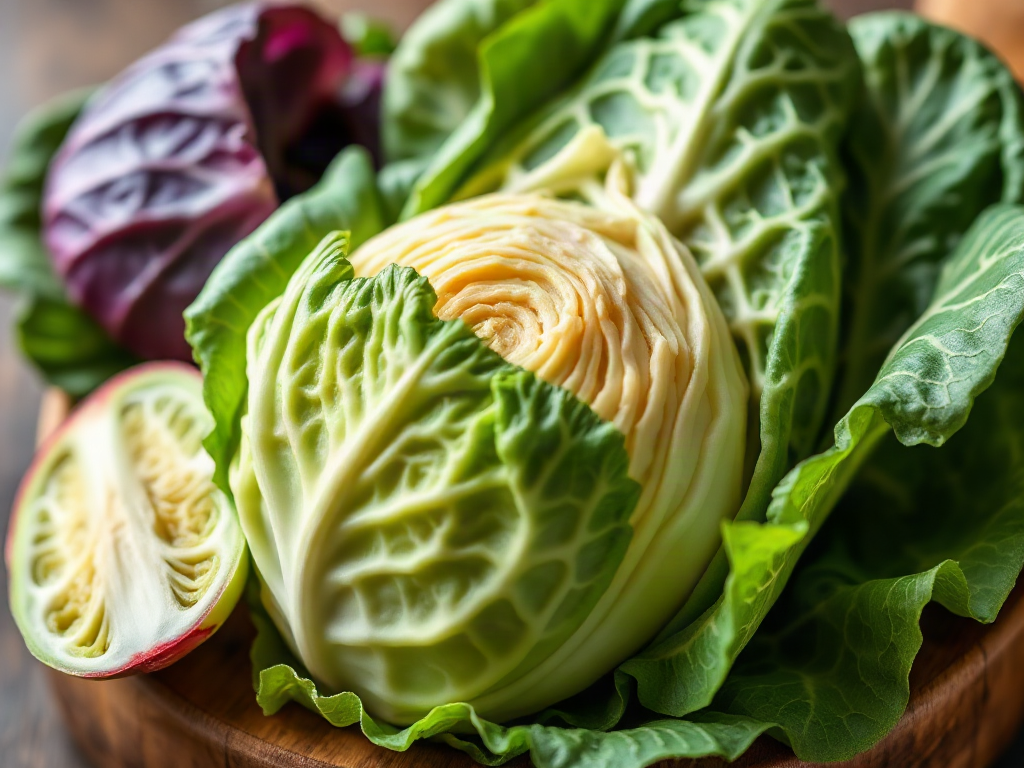
Delicata squash nutrition and cooking effects are shaped mainly by its carbohydrate content, fiber, carotenoids, edible skin, and the amount of heat and added fat used. Roasting concentrates flavor and softens the skin, while steaming or microwaving generally preserves a moister texture and may limit browning-related nutrient changes. Cooking does not turn the squash into a low-carbohydrate food, but a moderate serving can provide fiber and potassium within a balanced plate. Leave the skin on when it is clean and tender, control oil and sweet toppings, and pair the squash with protein or legumes when steadier meal energy matters.
Delicata Squash Nutrition at a Glance
Delicata squash is a winter squash with a naturally sweet, mild flavor and a thin, edible rind. Its nutritional profile is built around water, carbohydrate, fiber, potassium, and carotenoid pigments, with relatively little protein or fat before ingredients such as oil, cheese, or seeds are added. The exact values depend on serving size and preparation, so a roasted wedge coated in oil should not be compared directly with plain steamed squash.
The carbohydrate is primarily the squash’s natural starches and sugars. That makes delicata a useful replacement for part of a grain or potato serving, but not a free food for someone carefully managing carbohydrate intake. Fiber slows digestion and adds bulk, although the amount in a typical serving may not be enough to balance a meal by itself. Pairing it with lentils, eggs, tofu, fish, poultry, or plain yogurt creates a more substantial plate than serving a large mound of squash alone.
Its yellow-orange flesh contains carotenoids, including compounds related to vitamin A activity. Carotenoid content varies with cultivar, maturity, storage, and cooking. These compounds are fat-soluble, so a small amount of dietary fat in the meal can make the dish nutritionally sensible, but heavy oil use changes the calorie density quickly. A teaspoon or light coating has a different practical effect from deep-frying or covering the wedges with a sugary glaze.
The skin is one of delicata’s useful features. Unlike the thick rind of some winter squash, it usually becomes tender enough to eat after roasting or steaming. Keeping it saves peeling work and contributes additional texture and fiber. Wash the exterior, trim the ends, halve the squash, scrape out the seeds and stringy center, and inspect the cooked rind before serving. Toughness, bitterness, or visible spoilage are reasons to discard the affected portion rather than forcing it into a recipe.
For a more detailed comparison, the discussion of Delicata squash nutrition and cooking effects is most useful when the serving size and cooking liquid are specified. “A serving of squash” can mean a few roasted rings or an entire large half, and those choices affect both nutrition and satiety.
How Cooking Changes Texture and Nutrient Value
Cooking softens delicata squash by breaking down cell-wall structure and changing the arrangement of starches and water. Heat also develops sweetness through browning when the cut surface is exposed to a hot, relatively dry pan. Roasting therefore produces caramelized edges and a denser mouthfeel, while steaming produces softer flesh with less browned flavor. Neither method makes the squash categorically “healthier”; each creates a different tradeoff.
Roasting can reduce surface moisture, concentrating the flavor and making the flesh easier to serve as wedges. It also makes added oil, salt, maple syrup, or brown sugar cling to the surface. That is where a plain vegetable side can become a rich dessert-like dish. A practical roasting approach is to use moderate oil, arrange pieces in a single layer, and turn them once if the underside browns too quickly. Crowding the pan traps steam and gives a softer result rather than the browned edges many cooks expect.
Steaming and microwaving usually retain more water, so the cooked portion may seem larger and softer even when the underlying carbohydrate amount has not changed. Boiling can produce tender flesh quickly, but water-soluble compounds may move into the cooking water. If the liquid is discarded, some nutrients can be lost with it; using the liquid in a soup or mash reduces that waste. Cutting the squash into smaller pieces speeds cooking but also increases exposed surface area and can make it waterier.
Heat may alter carotenoid availability and vitamin levels in different ways. Gentle cooking can soften plant tissues, while prolonged, high-temperature cooking can degrade some heat-sensitive nutrients. The outcome depends on temperature, time, oxygen exposure, and whether the squash is cooked whole or cut. Avoid treating one cooking effect as universal. USDA food-composition data can help with nutrient estimates, but household preparation still changes the final plate.
A common mistake is assuming that raw nutrition numbers transfer unchanged to roasted squash by weight. Water loss means a cup of roasted pieces may contain more squash solids than a cup of steamed pieces. Compare like with like, preferably by the amount of raw squash used, and count sauces separately. The same principle applies to delicata squash nutrition and cooking effects in soups, grain bowls, and blended purees.
Choosing a Cooking Method and Portion
The best method depends on the result needed, not on a blanket claim that one technique preserves every nutrient. Choose roasting for firm slices, crisp edges, and concentrated flavor; steaming for a moist side dish; microwaving for speed; and simmering when the squash will become part of a soup or puree. A whole or halved squash generally holds its shape better than small cubes, while thin rings cook quickly but can dry at the edges.
For roasting, heat the oven, halve the squash lengthwise, remove the seeds, and cut crosswise into rings or lengthwise wedges. Dry the surfaces, coat lightly with oil, and place them with room around each piece. Begin checking when the flesh yields easily to a fork and the skin is tender. If the center is soft but the edge is leathery, the pieces are too thick or the oven is browning the surface faster than the interior cooks.
For steaming, use pieces of similar thickness so the batch finishes together. The method is useful when the squash will be folded into beans, greens, or a warm salad because it avoids a heavily browned exterior. Microwaving is convenient for a busy weeknight, but covered pieces can become very soft. Vent the container carefully and let the squash stand briefly before handling; trapped steam can burn skin even after the appliance stops.
Portion decisions should reflect the rest of the plate. A modest serving alongside chickpeas and greens has a different nutritional role from a large serving topped with butter and syrup. People monitoring blood glucose, total carbohydrate, or energy intake may find it more practical to replace part of rice, pasta, or bread with squash rather than adding squash on top of the usual starch. Individual responses vary, and a medical nutrition plan should take priority when one has diabetes or another condition requiring specific dietary guidance.
- For browned flavor: roast uncovered with limited oil and adequate spacing.
- For a softer, lower-browning preparation: steam or microwave with a small amount of water.
- For a complete plate: combine squash with protein, legumes, or a protein-rich dairy or soy food.
Do not judge doneness by color alone. A deeply browned edge may be flavorful, but very dark, bitter areas signal excessive surface heating. Texture, aroma, and a clean fork test are more useful indicators. The recipe at delicata squash nutrition and cooking effects should be adjusted for piece thickness, pan material, and whether the squash began chilled.
Common Mistakes and Better Meal Pairings
The most frequent preparation error is treating delicata like a peeled butternut squash. Its skin is usually edible, so peeling removes a convenient feature and wastes time; leaving on a dirty, damaged, or unusually tough rind is equally unhelpful. Wash it well, remove the seeds, and cut away bruised areas. Seeds can be cleaned and roasted separately if they are fresh and the recipe permits, but they need their own cooking time because their moisture and size differ from the squash pieces.
Another mistake is using sweetness as the only flavor direction. Delicata already has a sweet profile, and syrup, honey, or brown sugar can overwhelm its savory uses while adding discretionary sugar. Try acidic or savory contrasts such as lemon, vinegar, smoked paprika, cumin, sage, chili, tahini, or plain yogurt. A roasted wedge with lentils and a sharp herb dressing often feels more balanced than a heavily glazed side.
Pairing also affects how filling the dish feels. Squash supplies carbohydrate and fiber but little protein, so a squash-only bowl may leave some people hungry sooner. Add black beans, white beans, lentils, tempeh, eggs, salmon, chicken, or pumpkin seeds according to preference. Greens or cabbage provide a contrasting texture, while a modest amount of olive oil or tahini carries flavor and complements fat-soluble carotenoids. The aim is not to make a medically guaranteed absorption claim; it is to build a varied meal without relying on a large amount of added fat.
Food safety deserves attention after cooking. Cool leftovers promptly in shallow containers, refrigerate them, and reheat only the amount needed. Soft squash can hold water and become mushy after repeated reheating, so a hot skillet or oven often restores better texture than prolonged microwaving. If leftovers develop an off odor, unusual slime, or visible mold, discard them rather than trimming and tasting.
A useful test for a recipe is whether the finished squash still has a clear role. If the wedges disappear under oil, cheese, and sweet glaze, the dish may be delicious but no longer represent the plain food’s nutrition. Keep the squash recognizable, measure rich toppings when they matter, and adjust the portion to the protein and starches already present.
Frequently Asked Questions
Can you eat delicata squash skin?
Yes, the thin skin is usually edible and becomes tender when cooked. Wash the squash, remove damaged areas, and discard any rind that remains tough, bitter, or spoiled.
Does roasting reduce delicata squash nutrition?
Roasting changes moisture, texture, and some heat-sensitive nutrients, but it also creates a practical, flavorful serving. Water loss can make roasted squash appear more nutrient-dense by volume, so compare portions carefully.
Is delicata squash high in carbohydrates?
It contains natural carbohydrate and should be counted as a starchy vegetable in meal planning. Serving size and toppings matter, especially when it replaces rather than supplements rice, pasta, or potatoes.
Which cooking method keeps delicata squash moist?
Steaming and covered microwaving generally produce a moister texture than uncovered roasting. Boiling also softens it quickly, but some water-soluble nutrients may move into discarded cooking water.
What pairs well with delicata squash?
Beans, lentils, tofu, eggs, fish, poultry, greens, cabbage, yogurt, tahini, herbs, and acidic dressings balance its sweetness and add protein, contrasting texture, or savory flavor.
Conclusion
Delicata squash earns a place on the plate because it combines naturally sweet flesh, edible skin, useful fiber, carotenoid pigments, and flexible cooking options. Roasting gives the strongest flavor and firmest texture, while steaming, microwaving, or simmering may better suit moist dishes and quick preparation. The main nutritional decisions occur around portion size and additions: oil, butter, cheese, and sweet glazes can change the balance more than the choice between two sensible cooking methods. Wash the rind, remove the seeds, cook pieces evenly, and pair a moderate serving with protein and other vegetables. When carbohydrate or medical nutrition needs are specific, use the squash as a measured starch rather than assuming that a whole-food label removes the need for portion awareness.