
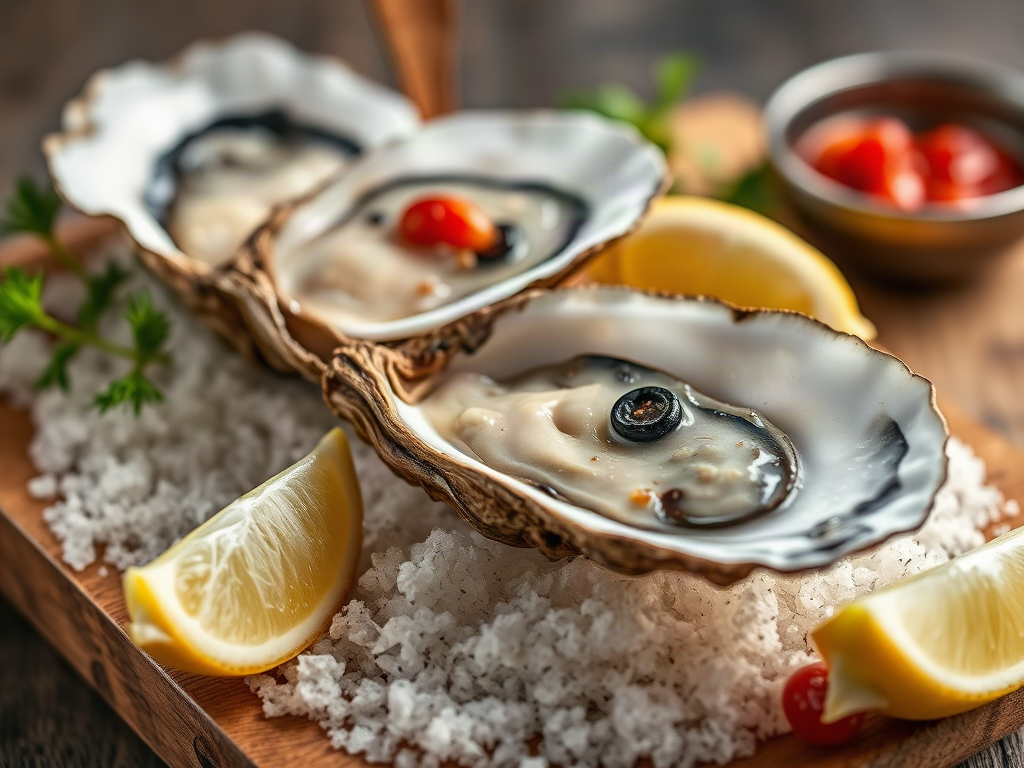
Oyster nutrition, zinc, and serving safety are closely connected: oysters provide concentrated protein, vitamin B12, selenium, copper, and zinc, but raw or undercooked servings carry a greater foodborne illness risk than thoroughly cooked oysters. Zinc content varies with species, size, and preparation, so oysters can contribute substantially to daily intake without being a reason to take extra zinc supplements. Keep oysters cold, buy them from reputable suppliers, discard shells that remain open after tapping, and cook until the flesh is firm and the edges curl. People who are pregnant, immunocompromised, older, or managing certain chronic conditions should avoid raw oysters and choose cooked portions instead.
What Oysters Provide Nutritionally
Oysters are nutrient-dense seafood because a modest portion supplies substantial nutrients without the carbohydrate load found in many snack foods or side dishes. Their protein supports ordinary tissue maintenance, while vitamin B12 contributes to normal blood and nervous-system function. Oysters also provide selenium, copper, iron, and long-chain omega-3 fats, although the exact profile depends on species, growing conditions, size, and whether the product is fresh, canned, smoked, or prepared with sauces.
The most useful comparison is not oysters versus a single “superfood,” but oysters versus the rest of the meal. A plain cooked oyster contributes protein and minerals; a fried oyster adds breading and cooking fat; a canned or smoked product may contain considerably more sodium. The oyster itself is not nutritionally interchangeable with a heavily sauced appetizer. Checking the ingredient list and nutrition panel matters when the food comes packaged.
Vitamin B12 is one reason oysters appeal to people who eat little meat, but oysters should not be treated as a complete replacement for a varied diet. They do not supply every nutrient needed for a balanced eating pattern, and their mineral concentration makes portion awareness sensible. Pairing cooked oysters with vegetables, beans, whole grains, or a salad creates a more complete meal than relying on a large platter alone.
People searching for Oyster nutrition, zinc, and serving safety should separate nutrient value from food safety. A food can be highly nutritious and still require careful handling. That distinction becomes especially important with shellfish eaten raw, where refrigeration and sourcing reduce risk but cannot make an uncooked serving risk-free.
Why Oyster Zinc Deserves Attention
Oysters are widely recognized as a concentrated food source of zinc, a mineral involved in immune function, wound healing, protein production, and normal taste and smell. The amount in a serving is not fixed. Species, geography, season, size, and database assumptions can all change the number, so a nutrition label or a reputable food-composition database is more useful than treating one universal figure as exact.
Zinc has a narrow practical balance. Too little can be a concern for people with restricted diets, poor absorption, or certain health conditions, while excessive supplemental zinc can interfere with copper status and cause adverse effects. Eating oysters occasionally as part of a varied diet is different from taking high-dose zinc products on top of zinc-rich foods. More is not automatically better, particularly when a person is already using a multivitamin or mineral supplement.
Preparation affects the meal more reliably than it changes the basic reason oysters are valued. Steaming, baking, or grilling can preserve a useful amount of protein and minerals, whereas frying may increase calories and sodium depending on the coating and oil. Raw oysters may appear “purer,” but uncooked status is not a nutritional requirement. Cooked oysters still provide zinc and other nutrients while offering a safer choice for people at higher risk from foodborne infection.
A practical example is a person who eats oysters once a month and also uses a daily zinc supplement. The sensible question is not whether oysters are healthy in isolation; it is whether the combined pattern creates unnecessary excess or displaces other foods. Review the supplement label, avoid self-prescribing high doses, and ask a clinician or registered dietitian about persistent concerns related to deficiency, absorption, or medication interactions. For broader context, see Oyster nutrition, zinc, and serving safety alongside information on other whole-food mineral sources.
Raw, Cooked, And Refrigerated Serving Safety
Cooking is the most dependable way to reduce the hazards associated with raw oysters. Oysters filter seawater as they feed, so naturally occurring microorganisms in marine environments can become concentrated in their tissues. Refrigeration slows microbial growth but does not eliminate pathogens, and lemon juice, hot sauce, alcohol, or freezing should not be assumed to make raw oysters safe.
Raw oysters pose greater concern for people with weakened immune systems, liver disease, diabetes, older adults, young children, and those who are pregnant. For these groups, thoroughly cooked oysters are the more appropriate choice. A healthy adult may still choose raw oysters, but that decision accepts residual risk even when the restaurant is reputable and the shellfish is served on ice.
At home, buy oysters from a supplier that follows applicable shellfish-harvesting and labeling requirements. Keep them cold during transport, refrigerate promptly, and avoid storing them in standing fresh water, which can damage the shellfish. Live oysters should have intact shells and should respond when tapped; an oyster that stays open should be discarded. These checks are useful quality indicators, not guarantees of safety.
Cook oysters until the flesh is firm and the edges curl, using a reliable food thermometer and current guidance from a government food-safety authority for the cooking method. Do not depend on appearance alone when preparing a large batch, because shell size and heat distribution vary. A practical kitchen sequence is simple:
- Keep raw oysters separate from ready-to-eat foods, utensils, and serving plates.
- Wash hands and clean surfaces after handling shells and raw juices.
- Cook until the thickest oysters reach a safe internal temperature recommended for shellfish.
- Refrigerate leftovers promptly and discard food left at unsafe temperatures.
Cross-contamination is a common failure point. A person may cook oysters safely but then place them back on the plate that held them raw. Use a clean platter and clean utensils for the finished food. If you are unsure whether a raw serving fits your health circumstances, cooked preparation removes the need to make a risk decision based on appearance or restaurant reputation alone.
Choosing Portions And Building A Balanced Meal
A sensible oyster serving depends on the rest of the meal, the product form, and individual health needs. Fresh oysters are often served as an appetizer, while canned, smoked, or breaded versions may function as part of a sandwich, pasta dish, stew, or rice bowl. The serving size should account for added sodium, butter, breading, and sauces rather than focusing only on the oyster’s mineral content.
For a nutrient-focused meal, cooked oysters can be paired with foods that supply fiber and additional energy: roasted vegetables, beans, barley, brown rice, or a leafy salad. A small plate of oysters with a bean-and-vegetable side is more balanced than several fried oysters with salty dipping sauce. The latter may still fit occasionally, but it changes the nutrition profile through refined starch, added fat, and sodium.
People monitoring sodium should compare plain frozen or fresh oysters with smoked or seasoned products. People managing iron overload, kidney disease, shellfish allergy, or a medically prescribed diet should obtain individualized advice rather than assuming that a nutrient-dense food is automatically suitable. Oysters may also trigger allergic reactions, including serious reactions, in susceptible people; previous shellfish allergy is a reason to avoid experimentation without medical guidance.
Budget and availability can shape the best choice. Canned oysters may be more affordable and shelf-stable, but labels deserve attention because oil, salt, and flavorings vary. Frozen oysters can work well when kept continuously frozen and cooked properly. Raw bar servings offer convenience but provide less control over temperature and handling. For a home meal, cooked fresh, frozen, or canned oysters may offer a better balance of control, cost, and safety than a raw serving.
Use Oyster nutrition, zinc, and serving safety as a decision lens: choose the product you can store correctly, cook reliably, and fit into the rest of your diet. Nutritional density is a reason to include oysters when they suit you, not a reason to ignore preparation, portions, or medical restrictions.
Common Mistakes And Practical Safety Checks
The biggest mistake is treating raw oysters as safe because they smell fresh or arrive over ice. Sensory checks can identify obvious spoilage, but they cannot detect every harmful microorganism. Another mistake is assuming that a reputable restaurant removes all risk. Good sourcing and handling lower exposure, yet raw consumption remains different from thoroughly cooked consumption.
A second error is using zinc content as a reason to stack multiple supplements. Oysters can make a meaningful contribution to zinc intake, but the body does not need unlimited amounts. Review all sources, including lozenges, multivitamins, fortified drinks, and standalone mineral products. Persistent fatigue, frequent illness, taste changes, or other symptoms should not be self-diagnosed as zinc deficiency; many conditions can produce similar signs.
Before serving oysters, run a short check based on the actual situation:
- Confirm that the product came from a reliable source and stayed cold.
- Decide whether anyone eating it belongs to a group advised to avoid raw shellfish.
- Choose cooked preparation when risk reduction is the priority.
- Keep raw and cooked utensils, plates, and juices separate.
- Review sodium, breading, and supplement use if the meal is part of a regular pattern.
Signs that the approach is working include firm cooked flesh, prompt refrigeration, clean separation between raw and finished food, and a meal that includes more than a single concentrated nutrient source. Warning signs include uncertain storage, a shell that remains open, unexplained temperature exposure, or a plan to serve raw oysters to someone with elevated vulnerability. When those warning signs appear, discarding the product or choosing a cooked alternative is more prudent than trying to rescue it with citrus or seasoning.
For current harvesting advisories, shellfish handling recommendations, zinc intake information, and high-risk-group guidance, consult food-safety agencies, the National Institutes of Health Office of Dietary Supplements, and local public-health authorities. These sources are preferable to relying on a raw bar menu, social media claim, or a single nutrition chart.
Frequently Asked Questions
Are oysters a good source of zinc?
Yes. Oysters are among the more concentrated food sources of zinc, although the amount varies by species, size, origin, and preparation. Check a reliable label or food database when precision matters.
Does cooking remove the zinc from oysters?
Cooking does not make oysters nutritionally worthless, and cooked oysters still provide zinc, protein, vitamin B12, and other nutrients. Nutrient losses depend on the method and handling, while cooking substantially improves the safety profile.
Is it safe to eat oysters raw?
Raw oysters carry a higher foodborne illness risk than thoroughly cooked oysters. Refrigeration, reputable sourcing, and clean handling reduce hazards but cannot eliminate them.
Who should avoid raw oysters?
People who are pregnant, immunocompromised, older, very young, or managing conditions such as liver disease or diabetes should choose thoroughly cooked oysters and follow individualized medical advice.
Can oysters and zinc supplements be used together?
They may be combined in some diets, but high total zinc intake is unnecessary and can create problems, including interference with copper status. Review all supplements with a clinician or dietitian if intake is regular or doses are high.
Conclusion
Oysters can be a compact source of zinc, vitamin B12, protein, selenium, copper, and other nutrients, but their value should be judged together with preparation and personal risk. Thorough cooking is the clearest choice for people at higher risk of severe foodborne illness and for anyone who wants greater control over handling. Raw oysters require acceptance of residual risk even when they look fresh and are served cold. Keep shellfish refrigerated, prevent cross-contamination, inspect live shells, and choose portions that fit the sodium and supplement pattern of the wider meal. If a health condition, allergy, pregnancy, or zinc supplement complicates the decision, individualized professional advice is more reliable than a universal serving rule.
Related Content
- How to Evaluate the Sustainability of Superfood Practices: Key Metrics and Environmental Impact
- What to Do If Superfoods Cause Fatigue: Understanding Causes and Practical Solutions
- Contact Us
- What To Do If Whole Foods Don’t Fulfill Cravings Through Balanced Meals And Sensory Satisfaction
- Superfoods That Support Liver Health and Detox Pathways: Essential Nutrients for Optimal Function