
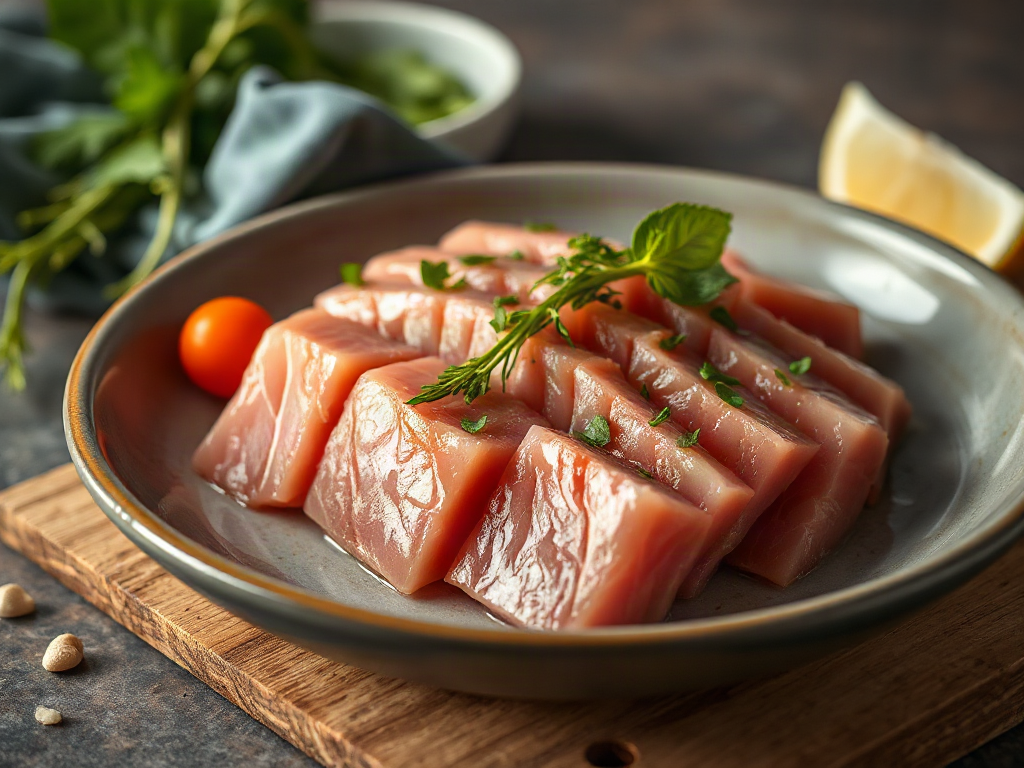
Ahi tuna nutrition and mercury considerations come down to a useful protein-and-nutrient profile balanced against the species’ potential for higher mercury exposure. Ahi supplies protein, vitamin B12, selenium, and marine omega-3 fats, but mercury levels vary with fish size, origin, and the amount eaten. Cooking does not reliably remove mercury, so portion frequency and seafood variety matter more than preparation method. Adults can generally make safer choices by treating ahi as an occasional fish, checking current local or regulatory advice, and rotating it with lower-mercury options such as salmon, shrimp, cod, or sardines. Pregnant people, children, and those planning pregnancy should follow specific government seafood guidance.
What Ahi Tuna Provides Nutritionally
Ahi tuna, commonly sold as yellowfin tuna and sometimes used loosely for bigeye tuna, is a lean source of complete protein. A typical serving contributes protein without the carbohydrate load found in many prepared seafood dishes, while its naturally low fat content makes the fish easy to fit into salads, grain bowls, tacos, or a simple plate with vegetables.
The nutrient profile is more useful when viewed as a replacement choice rather than a miracle food. Ahi can provide vitamin B12 for normal blood-cell and nervous-system function, selenium involved in antioxidant and thyroid-related processes, and smaller amounts of vitamin D, niacin, phosphorus, and marine omega-3 fatty acids. The exact amounts depend on the species, serving size, preparation, and whether a restaurant adds oil, sauce, or a high-sodium topping.
Compared with salmon, ahi is often leaner and may provide less total fat and fewer omega-3 fats per serving. Compared with shrimp or cod, it can offer a different texture and strong protein contribution, but mercury exposure deserves more attention. That comparison prevents a common mistake: assuming every nutritious fish can be eaten with the same frequency.
Ahi works well in a meal that adds nutrients the fish does not supply in large amounts. Try sliced cooked tuna with brown rice, edamame, cabbage, and avocado, or pair a modest portion with roasted vegetables and beans. Sesame crusts, soy-based sauces, and spicy mayonnaise can add substantial sodium, sugar, or calories, so the nutritional quality of the finished dish depends on the whole plate.
People who need more protein may value ahi’s density, while someone seeking more omega-3 fat may prefer salmon, sardines, or trout more often. The practical takeaway is to use ahi as one seafood option in a varied rotation, not as the sole fish in a weekly routine. Related nutrient context appears in Ahi tuna nutrition and mercury considerations.
Why Mercury Exposure Varies
Mercury in seafood is primarily a concern because methylmercury can accumulate through the marine food chain. Small organisms take in mercury, smaller fish eat them, and larger, longer-lived predatory fish can retain more over time. Tuna are active predators, so species and size affect the exposure question more than the word “fresh” on a package.
Ahi labeling also creates uncertainty. Yellowfin and bigeye may be sold under overlapping restaurant language, and a menu may not identify the species, harvest area, or fish size. Two portions called ahi can therefore have different mercury profiles. Imported seafood may also be subject to different monitoring and labeling practices, making a reputable seller and current official guidance useful when the information is available.
Mercury is not destroyed by searing, grilling, freezing, or making tuna into sushi. Heat can address bacteria and parasites when the fish is fully cooked, but it does not provide a dependable way to lower methylmercury. Trimming away fat is not a meaningful mercury-control strategy because methylmercury is distributed through the muscle tissue that people eat.
The risk is dose-related and cumulative over time. Eating one serving does not have the same implication as choosing large tuna portions repeatedly throughout the week. A person may also overlook exposure from several sources: a tuna entrée, a poke bowl, and a tuna snack can all count toward the same overall pattern.
Mercury deserves extra caution during pregnancy, when planning pregnancy, and in childhood because developing nervous systems are more sensitive to exposure. People in those groups should use current advice from agencies such as the U.S. Food and Drug Administration and Environmental Protection Agency rather than relying on restaurant labels or informal serving rules. Anyone with a condition or dietary situation requiring individualized advice can ask a qualified clinician or registered dietitian.
How to Choose Portions and Frequency
The safest practical strategy is rotation: keep ahi occasional and select lower-mercury seafood for more frequent meals. Salmon, sardines, anchovies, shrimp, pollock, catfish, and cod are commonly included among lower-mercury choices in U.S. consumer guidance, although advice can differ by species, location, and population group. Checking the current source matters because recommendations can change as monitoring information improves.
Portion size should match the guidance that applies to the person eating it, not the size of a restaurant serving. A generous poke bowl may contain more tuna than a standard home portion, particularly when extra fish is added. Ask how much fish is included when a menu offers multiple scoops, and avoid treating a large sashimi platter as several unrelated tastes.
A simple decision process can reduce guesswork:
- Identify the tuna species when the seller or restaurant provides it.
- Estimate the actual amount, including multiple dishes eaten close together.
- Check current government advice for adults, children, pregnancy, and local catch advisories.
- Choose a lower-mercury fish next time rather than repeating ahi by default.
The common failure is focusing on a single “safe” serving while ignoring frequency. Another is assuming canned light tuna and ahi are interchangeable; they are different products and may fall into different advisory categories. Albacore, bigeye, yellowfin, and light tuna should not be treated as one uniform exposure class.
Variety also improves nutritional coverage. Ahi may suit a high-protein meal, while salmon adds more fat, sardines contribute edible bones and calcium when canned with bones, and shellfish can broaden the mineral profile. If a person eats seafood frequently, replacing some tuna meals with these alternatives may reduce repeated exposure without abandoning seafood’s nutritional advantages.
Raw, Seared, and Canned Ahi: Practical Tradeoffs
Preparation changes food-safety and meal-composition issues, but it does not solve mercury exposure. Raw ahi in sushi or poke may retain its delicate texture, yet raw seafood carries pathogen and parasite considerations that make sourcing, refrigeration, and handling important. “Sushi-grade” is a retail term rather than a universal guarantee that removes every hazard, so consumers should use reputable businesses and follow advice for people at higher risk of foodborne illness.
Seared ahi can provide a middle ground for diners who want a raw center with a browned exterior. A brief sear improves surface flavor but leaves the interior undercooked, so it should not be presented as equivalent to fully cooked fish for pregnant people, young children, older adults, or anyone with reduced immune defenses. Fully cooking the fish addresses some biological hazards but leaves its mercury content essentially unchanged.
Canned tuna creates a different decision. It is convenient, shelf-stable, and useful in sandwiches, bean salads, or whole-grain bowls, but the can’s species and category matter. Ahi is not automatically the same as the tuna used in canned products. Read the label, compare varieties, and account for sodium in the finished meal. Mixing tuna with plain yogurt, mustard, celery, and beans can reduce reliance on mayonnaise while adding fiber and texture.
Restaurant dishes can also hide the largest practical variables. Soy sauce, ponzu, spicy mayonnaise, fried toppings, and large rice portions may alter sodium, added sugar, and energy intake more than the fish itself. A balanced order might use a moderate fish portion, vegetables, and a sauce served separately. At home, a food thermometer and careful cold storage support safer handling, while fully cooked preparation is the more conservative choice for vulnerable diners.
Watch for signs that the approach is failing: repeated tuna meals, unclear species information, oversized portions, or raw fish served to someone who should avoid it. A more reliable pattern is clear labeling, moderate portions, varied seafood, and preparation matched to the diner’s health circumstances. For broader meal planning, see Ahi tuna nutrition and mercury considerations alongside guidance from official food-safety sources.
Frequently Asked Questions
Is ahi tuna a healthy source of protein?
Yes, ahi is a lean source of complete protein and supplies nutrients such as vitamin B12 and selenium. Its place in a healthy diet depends on portion, preparation, and how often it replaces other seafood.
Does cooking reduce mercury in ahi tuna?
No reliable cooking method removes methylmercury from tuna muscle. Cooking can reduce some food-safety hazards, but mercury decisions still depend on species, portion, frequency, and current advisories.
Can pregnant people eat ahi tuna?
Pregnant people should follow current FDA and EPA seafood guidance and identify the tuna type whenever possible. Ahi may require more caution than lower-mercury choices, and raw tuna has additional food-safety concerns.
Is ahi tuna the same as canned light tuna?
Not necessarily. Ahi commonly refers to yellowfin or, in some settings, bigeye tuna, while canned products may use different species and labeling categories. Check the package rather than assuming the products have identical mercury profiles.
Which fish can replace ahi more often?
Salmon, sardines, shrimp, pollock, catfish, and cod are examples commonly listed in U.S. lower-mercury guidance. Rotate among several choices and verify current recommendations for your location and household.
Conclusion
Ahi tuna can fit a varied eating pattern because it delivers lean protein, vitamin B12, selenium, and marine nutrients in a versatile food. Mercury changes the decision from “healthy or unhealthy” to “which tuna, how much, and how often.” Species uncertainty, large restaurant portions, and repeated tuna meals deserve more attention than whether the fish is seared or raw, since cooking does not reliably lower methylmercury. Use current FDA and EPA advice when pregnancy, childhood, or frequent seafood intake is involved. For everyday planning, identify the product, keep ahi occasional, choose fully cooked fish when food-safety risk is higher, and rotate in lower-mercury seafood to preserve variety without unnecessary repeated exposure.
Related Content
- Steps to Take If Superfoods Cause Skin Reactions: Identifying Symptoms and Effective Remedies
- How to Balance Superfoods with Other Food Groups: Key Foods, Nutritional Strategies, and Practical Tips
- How to Adjust Superfood Intake Based on Activity Level: Optimal Foods and Timing for Performance
- Why Certain Superfoods May Not Provide Expected Energy Boosts: Misconceptions, Mechanisms, and Nutritional Tradeoffs
- How Can I Incorporate Superfood Nutrition Into My Daily Diet?