
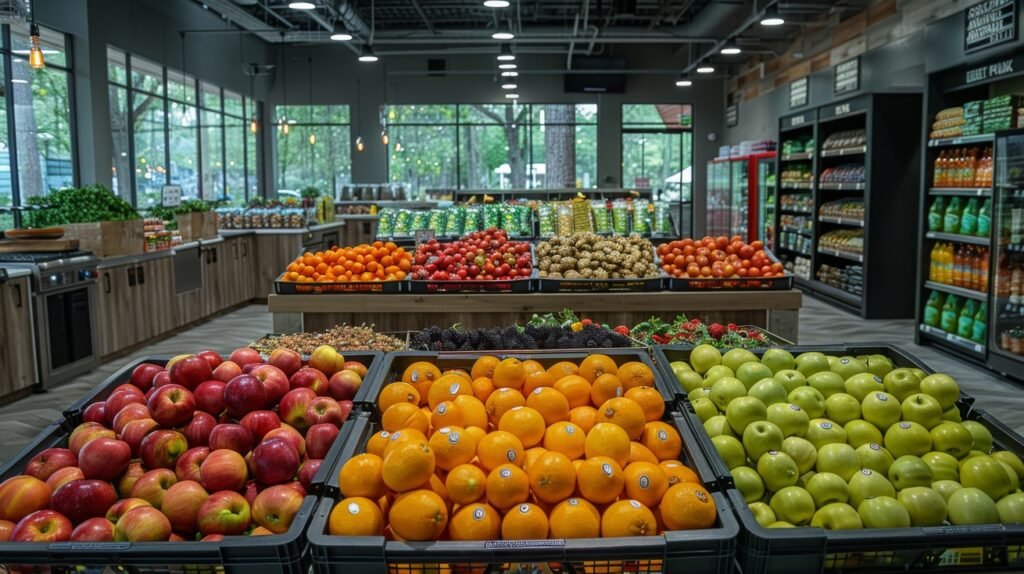
Green grapes nutrition versus other grape varieties is broadly similar for calories, natural sugar, carbohydrate, and fiber, but grape color changes the mix of polyphenols found in the skin. Green grapes provide vitamin C, vitamin K, hydration, and modest fiber, while red and black grapes generally offer more anthocyanins and darker-skin polyphenols. Seeded and seedless forms are nutritionally close; the larger differences usually come from portion size, freshness, and whether grapes are eaten whole or dried into raisins. Choose green grapes for their crisp texture and mild flavor, and choose darker varieties when you specifically want more pigment-associated compounds. No grape color is automatically lower in sugar, so serving size still matters for blood-glucose management.
How Green Grapes Compare Nutritionally
Green grapes are mostly water and carbohydrate, with a small amount of fiber and very little fat or protein. A typical serving supplies natural sugars for energy, modest vitamin C and vitamin K, and plant compounds concentrated partly in the skin. Red, black, purple, and green table grapes share this broad nutritional pattern because they are the same type of fruit harvested from different cultivars.
The practical comparison is therefore less dramatic than color-based marketing often suggests. Green grapes are not a low-sugar fruit compared with red grapes, and red grapes are not a fundamentally different source of calories. Cultivar, ripeness, grape size, and serving weight can change the numbers more than the skin color alone. A cup of large grapes may contain more carbohydrate simply because the portion weighs more than a cup of smaller grapes.
Fiber is present but not abundant, so grapes should not be treated as a replacement for high-fiber fruits such as raspberries, pears, or apples with the skin. Their advantage is convenience: whole grapes require no peeling, travel well when chilled, and can add sweetness to a meal without added sugar. Pairing them with plain yogurt, nuts, cottage cheese, or a meal containing beans can make the snack more filling than eating a large bowl alone.
What the basic comparison does and does not show
Nutrition databases often list closely related values for different grape varieties, but database entries may represent different cultivars and serving weights. That makes false precision a common mistake. Use the package weight or a kitchen scale when carbohydrate counting matters, rather than assuming every handful has the same amount.
Green grapes can fit a heart-conscious, plant-forward eating pattern, but their color does not create a special medical effect. The stronger decision is usually whole fruit versus juice or dried fruit. Whole grapes retain their water and structure, whereas juice is easier to drink quickly and raisins contain concentrated sugars in a much smaller volume. Readers comparing green grape nutrition with other grape varieties should rank serving form and portion before chasing small differences between cultivars.
Color, Polyphenols, And Antioxidant Differences
Grape color reflects pigments and other compounds in the skin. Dark red, purple, and black grapes commonly contain anthocyanins, the pigments responsible for their deeper color, along with other polyphenols such as flavonols and stilbene-related compounds. Green grapes have a different pigment profile because they lack the same concentration of dark anthocyanin pigments, although they still contain polyphenols and other plant chemicals.
This distinction matters for food variety, not for ranking one grape as universally superior. Polyphenol levels vary with cultivar, growing conditions, ripeness, storage, and the part of the fruit consumed. A dark grape that has been stored poorly may not represent the same composition as a fresh specimen, and a consumer may gain more from consistently eating whole fruit than from avoiding green grapes because they are lighter in color.
Skin is especially relevant because many grape compounds are concentrated near or within the skin. Eating grapes whole preserves that component; peeling them removes part of the comparison. Seeds also contain compounds, but seeded grapes are not automatically a better everyday choice because many people discard the seeds, and seedless grapes can make regular whole-fruit intake easier.
Claims that darker grapes “detoxify” the body or prevent disease go beyond what food composition alone can establish. Human health outcomes depend on the entire dietary pattern, activity, medications, and individual risk factors. Grape polyphenols may be biologically active, but that does not make grapes a treatment, and evidence from extracts or laboratory experiments cannot be transferred directly to a bowl of fruit.
A useful real-world comparison is a lunch with green grapes and cheese versus a snack of dark grapes and nuts. Both provide whole fruit, water, carbohydrate, and skin compounds; the better choice depends on taste, availability, tolerance, and whether the pairing helps control total intake. If you enjoy green grapes enough to eat them regularly, their lighter skin should not be treated as a nutritional failure.
Fresh, Seeded, Seedless, And Dried Choices
Fresh green, red, and black grapes are nutritionally closer to one another than fresh grapes are to raisins or grape juice. Fresh fruit contains substantial water and intact cell structure, which generally makes it slower to consume and more voluminous. Raisins lose water during drying, so their sugars and calories are compressed into a smaller serving. Juice removes most of the fruit’s structure and fiber, making several grapes’ worth of sugar easy to consume without chewing.
Seeded versus seedless is mainly a usability decision. Seedless grapes may be more practical for children, packed lunches, and recipes where people want to eat the fruit whole. Seeded grapes can offer a traditional texture and may be useful for specific culinary purposes, but swallowing or chewing seeds is not necessary to obtain the ordinary nutritional value of the fruit. The skin, rather than the presence of an edible seed, is the more relevant part of a color comparison.
Raisins still provide useful nutrients and can be convenient in oatmeal, trail mix, or grain dishes, but portion awareness becomes more important. A small amount can contribute considerable sweetness, especially when combined with honey, sweetened cereal, or chocolate. Juice may work as an ingredient in a sauce or smoothie, yet replacing whole grapes with juice removes the chewing and volume that help many people regulate intake.

Common comparison mistakes
- Assuming green means less sugar: grape color does not reliably indicate a lower-carbohydrate serving.
- Comparing by handful alone: grape size varies, so weight gives a more dependable comparison.
- Calling juice equivalent to fruit: liquid form changes satiety and makes rapid intake easier.
- Overvaluing seeded fruit: seeds do not automatically make a grape more nutritious in practical use.
For a breakfast bowl, fresh grapes can add sweetness beside unsweetened yogurt and oats. For a dinner salad, halved green grapes contribute crispness and acidity alongside greens, beans, and a protein source. A person who needs concentrated carbohydrate for a hike may deliberately choose raisins, while someone trying to moderate snack energy may find fresh grapes easier to portion. The best form follows the eating situation rather than a simplistic “fresh is always best” rule.
How To Choose And Portion Grapes
Choose the variety that supports a sensible portion and a meal pattern you can repeat. Green grapes are often selected for their firm bite and tart-sweet flavor; red or black grapes may be preferred for richer flavor and darker skin pigments. Nutritionally, freshness, intact fruit, and the amount eaten usually deserve more attention than a small difference among colors.
At the store, look for plump fruit with firm berries, reasonably green stems, and no widespread leaking, mold, or shriveling. A dusty-looking surface can be a natural bloom rather than spoilage, but damaged berries should be removed after purchase. Refrigeration helps maintain quality. Wash grapes under running water before eating, and avoid washing an entire container far in advance if lingering moisture may encourage deterioration.
Portioning is especially useful for people monitoring blood glucose or total carbohydrate. Put a measured serving in a bowl rather than eating directly from a large bag, then combine it with a source of protein, fat, or additional fiber when that suits the meal. This does not make the grape sugar disappear; it simply creates a more substantial eating occasion and may slow the pace of the snack.
A practical decision sequence is:
- Choose whole grapes first when you want volume, hydration, and intact fruit structure.
- Compare by weight if carbohydrate intake must be consistent or grape sizes are unusually large.
- Use color for preference and variety, not as a promise of lower sugar or disease protection.
- Reserve juice and raisins for deliberate uses where their concentrated form fits the recipe or activity.
For example, a person with diabetes may tolerate grapes well in a measured portion but notice a different response after juice or a large serving eaten alone. Individual glucose responses vary, so personal monitoring and advice from a qualified clinician matter more than a universal grape-color rule. Someone with a food allergy, digestive concern, or medically prescribed carbohydrate target should adapt the choice to that condition rather than relying on general nutrition comparisons.
The most common failure is treating a nutrient comparison as permission to ignore quantity. A large serving of green grapes can contribute more carbohydrate than a smaller serving of dark grapes, while a modest serving of raisins can exceed expectations because the water has been removed. Use the form, portion, and meal context as the primary controls, then select green, red, or black grapes according to taste and the plant variety you want to include. For related planning, see green grapes nutrition versus other grape varieties and the practical comparison of fresh grapes, raisins, and grape juice.
Frequently Asked Questions
Are green grapes healthier than red or black grapes?
Not universally. Green grapes provide similar basic carbohydrate, water, and fiber patterns, while darker grapes often contain more anthocyanin pigments. The best choice depends on whole-fruit intake, portion, preference, and meal context.
Do green grapes contain less sugar than other grapes?
Usually, you should not assume that color means less sugar. Cultivar, ripeness, grape size, and serving weight can create more practical variation than the shade of the skin.
Are seedless grapes less nutritious?
Seedless grapes are not automatically less nutritious in a meaningful everyday sense. They may be easier to eat whole, while the skin supplies much of the fruit’s relevant polyphenol content.
Are raisins as healthy as fresh grapes?
Raisins retain some nutrients but have less water and a more concentrated sugar and calorie content by volume. They can fit meals and snacks when portions are intentional, but they are not interchangeable with fresh grapes in quantity.
Can people with diabetes eat green grapes?
Many people can include grapes in a personalized eating plan, but portion size and individual glucose response matter. Whole grapes in a measured serving may be easier to manage than juice; clinical guidance should take priority for prescribed carbohydrate targets.
Conclusion
Green grapes and darker grape varieties share the same basic role as juicy whole fruits: they provide carbohydrate, water, modest fiber, vitamins, and plant compounds in a convenient package. Darker skins often contribute more anthocyanins, but that difference does not make green grapes a poor choice or guarantee a health outcome. Prioritize whole fruit, a measured amount, and the form that fits the occasion. Choose green grapes for crisp flavor, select red or black grapes when you prefer their darker skin compounds, and use raisins or juice deliberately because their sugars are more concentrated or easier to consume quickly. Comparing varieties becomes most useful when it changes a practical decision rather than encouraging a search for a single “best” grape.
Related Content
- Overlooked Superfoods for Immune Support: Unique Options You Should Consider
- Superfoods That Support Liver Health and Detox Pathways: Essential Nutrients for Optimal Function
- How to Evaluate If a Superfood Is Right for Your Health: Key Factors and Practical Steps
- Superfoods That Are Affordable and Easy to Find Locally: Top Options for Budget-Friendly Nutrition
- What To Consider When Selecting Superfoods For Detox: A Practical Food Safety And Nutrition Checklist