
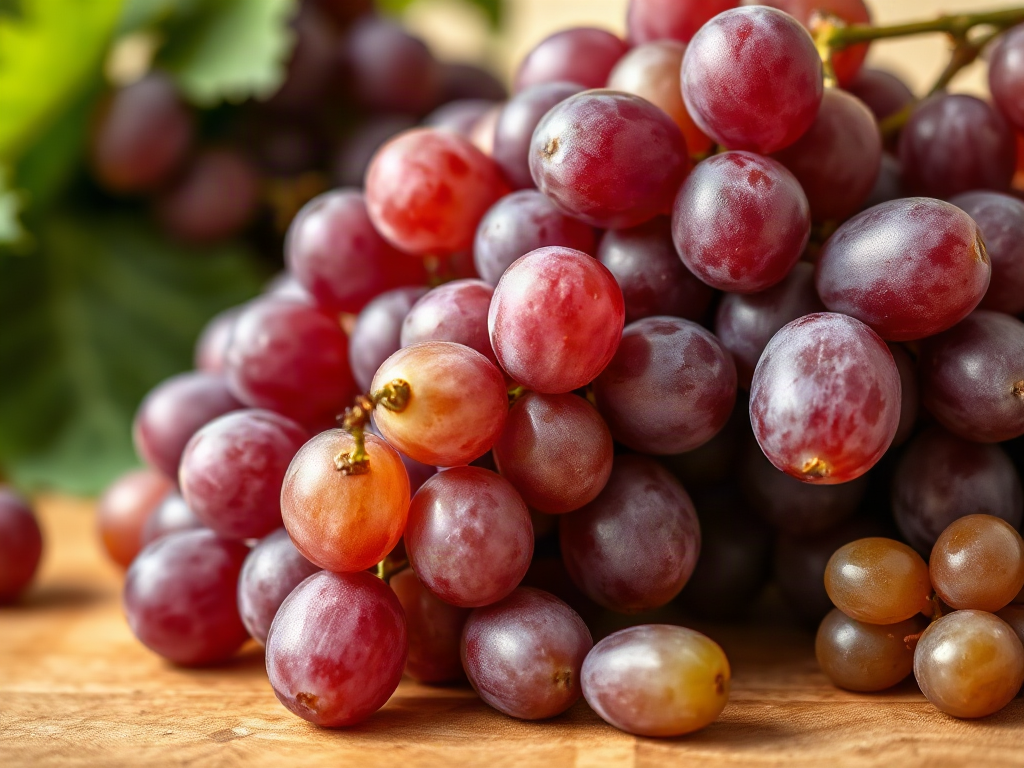
Grapes nutrition, sugar, and portion guidance come down to enjoying whole grapes in a measured serving while recognizing that their natural carbohydrates can add up quickly. Grapes provide water, fiber, vitamin K, and plant compounds, but they are less filling than many lower-sugar fruits because they are easy to eat by the handful. A practical portion is about one cup, or a small closed handful, adjusted for the rest of the meal and individual carbohydrate needs. Pairing grapes with protein, fat, or a fiber-rich food may make a snack more satisfying. People managing diabetes should use their personalized meal plan rather than assuming fruit sugar is unrestricted.
Grape Nutrition Beyond the Sugar Number
Grapes are mostly water and carbohydrate, with small amounts of fiber, vitamin K, copper, and other micronutrients. Their red, purple, and black skins also contain polyphenols, including anthocyanins and resveratrol-related compounds. The exact nutrient profile varies with variety, ripeness, serving size, and whether the grapes are eaten whole or processed.
The sugar in fresh grapes is naturally occurring, primarily glucose and fructose. That does not make it metabolically irrelevant, but it does place grapes in a different food context from candy, sweetened drinks, or grape-flavored desserts. Whole grapes retain their water and some fiber, so they generally take more time to eat than juice and provide more volume for the same amount of carbohydrate.
A useful comparison is between grapes and a fruit with more fiber per bite, such as raspberries or blackberries. Berries may offer greater satiety for some people, while grapes are portable, crisp, and appealing as a replacement for confectionery snacks. The better choice depends on what the snack needs to accomplish. Someone seeking a refreshing addition to lunch may value grapes; someone trying to stay full for several hours may need to combine them with a more substantial food.
Grape nutrition also changes with preparation. Fresh grapes are a whole-food option, while juice removes much of the chewing and can make a large amount of fruit easier to consume quickly. Raisins and other dried grapes contain many of the same compounds, but removing water concentrates their sugar and calories into a much smaller volume. That distinction matters more than whether the grapes are green or red.
Readers comparing fruit choices can also use Grapes nutrition, sugar, and portion guidance as a reference point: judge the complete serving, not a single nutrient in isolation. A common mistake is labeling grapes either “free” because they are fruit or “bad” because they taste sweet. Both shortcuts ignore portion size, preparation, and the rest of the eating pattern.
How Much Sugar Is in a Practical Serving?
A cup of fresh grapes contains roughly 20 grams of naturally occurring sugar, although values differ by variety and how tightly the cup is filled. A typical cup also supplies carbohydrates, water, and a modest amount of fiber. The figure is useful for planning, but it should not be treated as a universal limit or a precise prediction of an individual blood-glucose response.
Portion size explains why grapes can create a misleading impression. Each grape is small, so a person may eat two or three cups while watching television without registering the amount. Three cups contain about three times the carbohydrate and sugar of one cup, even though the visual difference may feel minor when the fruit is eaten directly from a large bowl.
Measuring once can improve visual judgment. Place one cup of grapes in a bowl, notice how it looks, and use that bowl for future servings. A small handful can work when measuring tools are unavailable, but hand size varies, so it is less reliable than a cup for someone tracking carbohydrates closely. A food scale is more precise, especially when comparing fresh grapes with raisins.
Grapes do not need to be avoided simply because they contain sugar. The practical question is whether the serving fits the meal or snack. A cup alongside plain yogurt and nuts has a different satiety profile from a large bowl eaten alone. The fruit still contributes the same carbohydrate, but protein, fat, and additional fiber may slow the pace of eating and reduce the chance of immediate hunger.
People with diabetes or prediabetes should avoid assuming that “natural sugar” has no effect. Whole fruit can fit many eating patterns, yet carbohydrate tolerance varies with medication, activity, meal composition, and individual response. If glucose monitoring is part of a clinician-directed plan, comparing a measured grape portion with the person’s usual response can provide more useful information than relying on general claims. Guidance on grape sugar and serving size should support, not replace, individualized medical advice.
Portion Choices for Snacks and Meals
For most adults, about one cup of fresh grapes is a sensible starting portion, but the appropriate amount depends on the meal and the person’s goals. A smaller portion may suit a snack that already includes crackers or another carbohydrate. A larger amount may be reasonable within an otherwise balanced meal for someone who is not tracking carbohydrate intake and finds grapes a useful substitute for sweets.
Pairing changes the practical experience of the fruit. Try grapes with plain Greek yogurt, cottage cheese, a small portion of nuts, or a meal containing beans, eggs, fish, or poultry. These combinations do not erase the grapes’ sugar, but they make the snack more substantial than fruit alone. Cheese and grapes can work well as part of a plate, while grapes folded into a leafy salad add sweetness without requiring a sugary dressing.
Timing is less important than total intake and context for most healthy adults. Grapes can be eaten at breakfast, packed for work, served with lunch, or used as a dessert after dinner. The main failure point is often unplanned grazing rather than a particular clock time. Portion the fruit before sitting down, keep the remainder refrigerated, and avoid treating a large serving bowl as an individual portion.
Different households need different systems. A family may wash and portion grapes into several containers for quick snacks, while an individual may prefer buying a smaller bunch to reduce waste and impulsive eating. Freezing grapes can slow eating and create a dessert-like texture, but it does not lower their sugar content. Cutting grapes for young children is a safety measure, not a nutrition strategy; caregivers should follow current choking-prevention guidance.

Use this simple decision sequence:
- Choose fresh, whole grapes when volume, hydration, and chewing matter.
- Set aside a measured serving when snacking from a bag or bowl tends to continue automatically.
- Add a protein- or fiber-containing food when grapes alone leave you hungry soon afterward.
- Reconsider the portion when grapes replace a meal rather than complementing one.
The common mistake is using grapes as a “light” snack while overlooking the accompanying granola, sweetened yogurt, juice, or oversized handful. A complete food record gives a more accurate picture than the fruit label alone. For more whole-food context, see whole-grape serving ideas alongside the rest of the plate.
Blood Sugar, Dried Grapes, and Common Mistakes
Fresh grapes and dried grapes deserve separate portion guidance because water loss changes their volume. A small box of raisins can contain a concentrated amount of carbohydrate that would take substantially more space as fresh fruit. Dried fruit is not inherently unhealthy, but it is easier to eat quickly and harder to judge by sight. Mixing a modest amount into oatmeal or a salad may be more manageable than eating directly from a large pouch.
Glycemic response is influenced by more than the food’s sweetness. Portion size, ripeness, meal composition, physical activity, and a person’s insulin sensitivity all matter. Grapes may produce a different response when eaten alone than when included with a meal. A lower glycemic index claim, even when available for a food, should not be interpreted as permission to eat unlimited quantities; the total carbohydrate load still matters.
Juice presents a separate problem. It can deliver grape flavor and sugar with little chewing, and liquid calories may be less filling than whole fruit. Juice also makes it easy to consume multiple servings before noticing. For everyday hydration, water is a more reliable default; for fruit, whole grapes usually offer better portion control and eating satisfaction.
Another weak assumption is that darker grapes are automatically much more nutritious than green grapes. Skin color does indicate differences in plant pigments, but variety, freshness, serving size, and the overall diet matter too. Selecting grapes based solely on color may distract from the more consequential choice between a measured serving of whole fruit and an unmeasured amount of juice or dried fruit.
People who experience repeated high glucose readings, food-related anxiety, or uncertainty about fruit portions should discuss the pattern with a qualified clinician or registered dietitian. Grapes are not a treatment for diabetes, and no single fruit determines health outcomes. Practical signs that a portion is working include comfortable hunger between meals, a serving that fits the planned carbohydrate budget, and no routine need to keep eating after the bowl is empty. If those conditions are not present, adjust the pairing or portion rather than declaring all fruit off-limits.
For nutrient values and serving comparisons, consult the USDA FoodData Central database and current guidance from the Centers for Disease Control and Prevention. These sources can help distinguish fresh grapes, juice, and dried fruit while keeping portion information connected to the wider eating pattern.
Frequently Asked Questions
Are grapes high in sugar?
Grapes contain more natural sugar per bite than some berries, but a measured serving can fit a balanced eating pattern. The amount eaten matters more than the fruit’s sweet taste alone.
How many grapes count as one serving?
About one cup of fresh grapes is a practical general serving. Because grape size varies, measuring by volume or weight is more dependable than counting individual grapes.
Can people with diabetes eat grapes?
Many people with diabetes can include whole grapes, but the serving should fit their individualized carbohydrate plan. Pairing grapes with a meal and monitoring personal response may be useful when recommended by a clinician.
Are raisins healthier than fresh grapes?
Raisins retain nutrients but have concentrated sugar and calories because water has been removed. Fresh grapes are usually easier to portion by volume and may be more filling because of their water content.
Does freezing grapes reduce their sugar?
No. Freezing changes texture and may slow eating, but it does not remove or reduce the grapes’ sugar. Portioning them before freezing can still improve control.
Conclusion
Grapes can earn a place in a nutrient-conscious diet without being treated as either a limitless food or a forbidden one. Fresh whole grapes provide hydration, modest fiber, vitamin K, and plant compounds, while their natural carbohydrate makes serving size worth noticing. Begin with about one cup, especially when eating them as a snack, and combine them with protein or another fiber-rich food if hunger returns quickly. Keep juice and raisins in separate categories because their concentrated or low-chew format changes portion control. If diabetes, medication, or glucose monitoring affects your choices, use personalized clinical guidance rather than generic fruit rules. The most useful next step is simple: portion grapes into a bowl, consider the rest of the meal, and observe whether that amount fits your appetite and nutrition plan.
Related Content
- Steps to Take If Superfoods Cause Skin Issues: Identifying Symptoms and Effective Remedies
- Warning Signs of Low-Quality Superfood Products: Identifying Red Flags and Common Misconceptions
- Top Whole Food Superfoods to Boost Energy (Naturally)
- What to Prioritize When Selecting Superfoods for Detox: Essential Nutrients, Sources, and Timing
- What should be on a whole food nutrition checklist?