
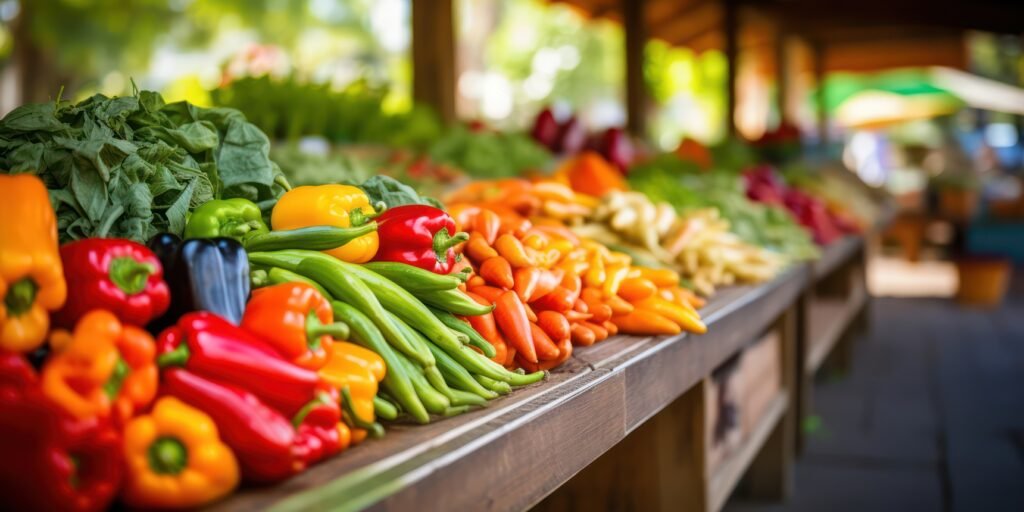
Primal diet food rules emphasize meat, fish, eggs, vegetables, fruit, nuts, seeds, and minimally processed fats while limiting grains, legumes, refined sugar, and highly processed products. The main nutritional tradeoff is that removing grain-based foods and beans may reduce fiber, folate, and affordable plant protein unless vegetables, fruit, nuts, seeds, and carefully chosen alternatives fill the gap. The approach may improve diet quality when it replaces refined foods with whole ingredients, but saturated fat, sodium, calcium, and total carbohydrate intake still deserve attention. A practical plan prioritizes varied plants, seafood, unsweetened dairy if tolerated, and portions that match activity rather than treating every excluded food as inherently harmful.
What Primal Diet Rules Actually Include
Primal eating generally centers on foods that are close to their original form and limits products associated with modern industrial processing. Typical staples include meat, poultry, fish, eggs, non-starchy and starchy vegetables, fruit, nuts, seeds, herbs, and fats such as olive oil, avocado, and coconut. Many versions allow fermented foods and full-fat or minimally processed dairy, while others treat dairy as optional. The boundaries are less uniform than the name suggests, so a useful plan should state its own rules rather than assume that every primal menu looks the same.
The foods most often restricted are wheat and other grains, legumes, refined sugar, industrial snack foods, and heavily refined vegetable oils. Some followers also reduce alcohol, potatoes, or nightshade vegetables, although those exclusions are not universal and are not automatically required for a nutritionally adequate pattern. The distinction matters: removing a food because it is highly processed is a different decision from removing an entire food group.
For example, replacing sweetened cereal with eggs, berries, and sautéed greens can improve protein, fiber, and micronutrient density. Replacing it with bacon and a low-fiber snack bar merely changes the label while leaving diet quality unresolved. Readers comparing this pattern with broader whole-food eating principles should judge the actual plate, not the diet name.
A practical starting rule is to identify the foods that provide the most nourishment with the fewest processing steps, then test exclusions one at a time. That approach avoids a common failure mode: adopting a long prohibited-food list before checking whether the replacement meals are satisfying, affordable, and varied.
Nutritional Benefits And Potential Gaps
A well-planned primal diet can raise the proportion of vegetables, fruit, eggs, seafood, and unprocessed protein in the daily pattern. Those foods supply potassium, vitamin C, carotenoids, protein, omega-3 fats, and other nutrients without relying heavily on packaged products. Cutting refined sugar and highly processed snack foods may also reduce incidental calories and make meals more filling, particularly when vegetables and protein replace sweetened drinks, pastries, and chips.
The tradeoff appears when grain and legume exclusions remove useful nutrients without adequate substitutes. Beans and lentils can provide fiber, folate, potassium, magnesium, and plant protein at a relatively low cost. Whole grains contribute fiber and several B vitamins. A person who removes both groups but eats mostly meat, cheese, and oils may consume less fermentable fiber and a narrower range of plant compounds. Digestive changes are not proof that all legumes or grains were harmful; they may reflect a sudden shift in fiber type, meal size, or fat intake.
Calcium deserves attention when dairy is excluded. Canned fish with edible bones, calcium-set tofu if a less strict version permits it, leafy greens, and fortified unsweetened alternatives can help, but their nutrient profiles differ. Iron can be plentiful in red meat, while vitamin C from peppers, citrus, kiwi, or broccoli helps create meals with complementary nutrient sources. Iodine intake may also vary if seafood and iodized salt are rarely used.
A simple audit can expose gaps before they become a problem:
- Count plant variety across vegetables, fruit, nuts, seeds, and herbs rather than relying on lettuce alone.
- Include seafood regularly when practical, especially as an alternative to making every protein choice red meat.
- Check calcium, fiber, folate, and iodine sources when dairy, grains, or legumes are absent.
- Notice constipation, persistent fatigue, poor exercise tolerance, or unintended weight change as reasons to reassess the pattern.
Food tracking is not mandatory, but a short record of meals can reveal whether the diet is genuinely diverse or simply restrictive. The strongest version of this approach replaces low-quality foods; the weakest version removes categories and calls the resulting nutrient gaps evidence of discipline.
Animal Foods, Fats, And Carbohydrate Tradeoffs
Animal foods make it easy to reach a substantial protein intake, and fish, eggs, poultry, and meat provide nutrients that can be harder to obtain from a narrow plant selection. Protein may improve meal satiety and supports maintenance of muscle tissue, but more protein does not automatically compensate for low fiber or an unbalanced fat profile. The specific choices and preparation methods matter more than the presence of animal food alone.
Fat is another major point of variation. Olive oil, avocado, walnuts, and fatty fish supply predominantly unsaturated fats, whereas butter, coconut oil, fatty cuts of meat, and some processed meats contribute more saturated fat. A primal label does not make saturated fat nutritionally neutral. People managing elevated blood lipids or cardiovascular risk should be especially cautious about building every meal around bacon, sausage, butter, and large portions of beef. Unsaturated fats and seafood offer a more useful contrast than treating all fats as interchangeable.
Carbohydrate reduction can be modest or substantial depending on how much fruit, tubers, winter squash, and honey a person eats. Someone who walks occasionally may feel comfortable with a lower carbohydrate intake, while an endurance athlete, manual worker, or person training intensely may need more carbohydrate for practical fueling. Sweet potatoes, potatoes in permissive versions, bananas, dates, and squash can provide carbohydrate without returning to refined desserts. Eliminating these foods solely to make the diet stricter may impair training quality or make adherence harder.
Consider two dinners: grilled salmon with roasted squash and greens, or a large steak with butter and little produce. Both may fit a broad primal definition, but the first supplies more plant variety and marine fat while reducing dependence on one protein and fat pattern. A useful primal meal comparison asks whether the plate contains a varied protein source, colorful plants, an appropriate energy source, and a fat choice that fits the person’s health context.
Watch for the misconception that “natural” means unlimited. Honey, dried fruit, large amounts of nuts, and fatty cuts can still provide concentrated energy. Portion size, cooking fat, sodium in cured meats, and the frequency of red meat all influence the nutritional result.
Building A More Balanced Primal Plate
A balanced plate can follow a simple sequence: choose a protein, add two different types of produce, include a suitable carbohydrate source when needed, and finish with a measured fat. This is more reliable than starting with a list of forbidden foods. A breakfast of eggs with mushrooms, spinach, and fruit has a different nutritional profile from eggs with sausage alone. Lunch could pair leftover chicken with roasted vegetables, avocado, and a piece of fruit; dinner might combine sardines or salmon with greens and squash.
Produce variety should include more than leafy vegetables. Cruciferous vegetables such as cabbage and broccoli, orange produce such as carrots and squash, berries, citrus, onions, and mushrooms contribute different fibers and plant compounds. Nuts and seeds can add minerals and texture, but a small portion is usually more practical than eating them freely from a large container. Frozen vegetables and canned fish can make the pattern less expensive and more consistent than relying only on fresh specialty products.

A gradual method often works better than an abrupt overhaul. First remove sugary drinks and heavily processed snack foods. Next, build repeatable meals around vegetables and a protein source. Then decide whether grains, legumes, or dairy cause a specific problem for you rather than excluding them by assumption. People who tolerate plain yogurt, kefir, oats, lentils, or beans may gain useful fiber and calcium by retaining them, even if they prefer a broadly primal style.
Signs the plan is functioning include satisfying meals, stable energy between meals, regular bowel movements, adequate exercise recovery, and a grocery routine that fits the budget. Warning signs include growing dependence on processed “primal” bars, very limited produce, persistent hunger, fear around ordinary foods, or social restrictions that make meals difficult. These signals do not diagnose a medical issue, but they do show that the rules may be costing more than they provide.
Use the framework flexibly: strict exclusions are not a nutritional achievement if they reduce variety, and adding a tolerated whole-food carbohydrate is not a failure. For more practical meal ideas, review the food-rule tradeoffs alongside your weekly shopping pattern.
Who May Need A Different Approach
Primal eating is not a universal prescription, particularly when a person has a medical condition, a history of disordered eating, or unusually high energy needs. People using glucose-lowering medication should discuss substantial carbohydrate changes with a qualified clinician because food intake and medication needs can interact. Individuals with kidney disease, diagnosed lipid disorders, gastrointestinal conditions, or nutrient deficiencies may need a tailored plan rather than a high-protein or elimination-focused template.
Children, teenagers, pregnant people, and breastfeeding individuals have changing nutrient and energy requirements. Restricting grains, legumes, or dairy without professional guidance can make it harder to meet needs for calcium, iron, folate, carbohydrate, or total energy. Athletes may also find that a rigid version does not supply convenient carbohydrate around demanding training. A banana, potato, rice serving, or oat-based meal may be a reasonable performance choice even when a person otherwise favors primal foods.
Budget and culture belong in the decision. A menu built around steak, wild-caught seafood, specialty nuts, and packaged “ancestral” products can be expensive, while eggs, canned fish, frozen produce, chicken thighs, seasonal vegetables, and occasional legumes may be more sustainable. Sustainability improves adherence because the plan must work on busy weekdays, during travel, and at shared meals.
Before committing to strict rules, write down the intended reason: reducing ultra-processed food, improving meal structure, testing a suspected intolerance, or managing appetite. Each goal has a different evaluation method. If the goal is fewer packaged sweets, success can be judged by the new grocery pattern. If the goal involves symptoms or a diagnosed condition, professional assessment is more appropriate than assuming that improvement or worsening proves a food theory.
Frequently Asked Questions
Are grains completely forbidden on a primal diet?
Most strict versions exclude grains, but broader interpretations vary. If you tolerate whole grains and they help provide fiber, affordability, or training fuel, excluding them is not automatically necessary.
Can a primal diet provide enough fiber?
It can, but only with generous and varied vegetables, fruit, nuts, and seeds. A menu dominated by meat, eggs, cheese, and oils may fall short because it removes common grain and legume fiber sources.
Is dairy allowed?
Many versions allow unsweetened yogurt, kefir, butter, or cheese, while others exclude dairy. Choose based on tolerance, nutrient needs, saturated fat intake, and whether dairy is helping or displacing more varied foods.
Does primal eating mean eating a lot of red meat?
No. Fish, poultry, eggs, and plant foods can provide variety. Rotating protein sources reduces dependence on processed meats and makes room for seafood and different nutrient profiles.
What is the biggest mistake beginners make?
The common mistake is removing grains, legumes, and processed foods while replacing them mainly with meat, cheese, bacon, and expensive packaged substitutes. Build varied meals first, then decide which exclusions are genuinely useful.
Conclusion
Primal diet rules are most useful when they steer meals toward vegetables, fruit, seafood, eggs, minimally processed proteins, and unsweetened fats rather than when they create the longest possible forbidden-food list. Removing grains and legumes may simplify eating for some people, but it can also reduce fiber, folate, affordable protein, and convenient carbohydrate. The practical safeguard is variety: include multiple plant colors, rotate fish and poultry with meat, check calcium and iodine sources, and match carbohydrate portions to activity. A short meal record can show whether the pattern is improving food quality or merely shifting calories toward saturated fat and costly substitutes. People with medical conditions, high training demands, pregnancy-related needs, or a history of disordered eating should seek individualized guidance before making strict changes.
Related Content
- Steps to Take If Superfoods Are Not Improving Your Energy Levels: Identifying Causes and Adjustments
- Reasons Superfoods Might Trigger Food Sensitivities: Common Causes and Symptoms
- What To Consider When Incorporating Superfoods Into Meals For Balanced Nutrition And Better Everyday Choices
- How to Identify the Right Superfoods for Recovery: Essential Foods and Practical Steps
- Which Superfoods Help Maintain Healthy Cholesterol Levels: Top Foods for Heart Health