
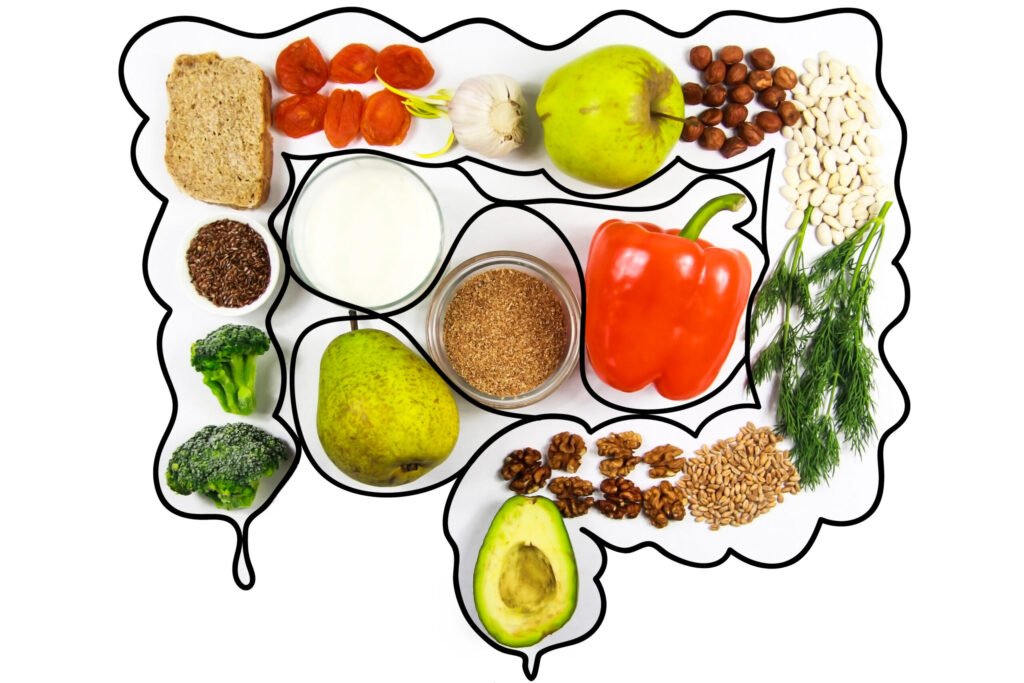
Incorporating these superfoods into your diet can significantly improve heart health. However, it’s essential to consider how these foods fit into your overall dietary patterns. For instance, while adding superfoods is beneficial, they should complement a balanced diet rich in whole grains, lean proteins, and healthy fats. Moreover, individuals should be cautious about portion sizes and overall caloric intake to avoid unintended weight gain, which can negatively impact heart health.
Many people overlook the importance of variety in their diet. Relying solely on a few superfoods may lead to nutrient imbalances. Instead, aim for a diverse array of fruits, vegetables, and whole foods to ensure you receive a comprehensive mix of nutrients that support cardiovascular health. It’s also wise to consult with a healthcare professional before making significant dietary changes, especially for those with existing health conditions.
Fatty Fish and Their Benefits
Fatty fish, including salmon, mackerel, and sardines, are among the top superfoods for heart health. They are high in omega-3 fatty acids, which are essential for reducing inflammation and lowering cholesterol levels. Regular consumption of omega-3s has been linked to a decreased risk of heart disease, making these fish an integral part of a heart-healthy diet.
Incorporating fatty fish into your meals can be simple and delicious. Aim for at least two servings a week, whether grilled, baked, or added to salads. However, be cautious of the source; opt for wild-caught varieties when possible, as they often contain lower levels of contaminants compared to farmed fish.
One common mistake is neglecting the preparation method. Frying fish can counteract its health benefits by adding unhealthy fats. Instead, consider baking, grilling, or steaming to maintain their nutritional profile while enhancing flavor.
Berries: Nature’s Antioxidants
Berries are not only delicious but also packed with antioxidants that are beneficial for heart health. Blueberries, strawberries, and raspberries contain compounds that help reduce oxidative stress and inflammation, both crucial for maintaining cardiovascular health.
To maximize the benefits, aim to include a variety of berries in your diet. They can be enjoyed fresh, frozen, or even dried, but be cautious with added sugars in processed forms. A common pitfall is overlooking portion sizes; while healthy, berries are still calorie-dense, and moderation is key.
Furthermore, many people miss out on the full spectrum of benefits by consuming only one type of berry. Each variety offers unique nutrients, so rotating different berries throughout the week can ensure a broader intake of heart-healthy compounds.
Nuts: Healthy Fats for Heart Health
Nuts like walnuts, almonds, and pistachios are excellent sources of healthy fats, fiber, and protein that support heart health. They are known to lower bad cholesterol levels and provide essential nutrients like magnesium and vitamin E, which are vital for cardiovascular function.
Incorporating a small handful of nuts into your daily diet can significantly impact heart health. However, it’s easy to overconsume nuts due to their calorie density. A smart approach is to measure out portions instead of eating directly from the package to avoid unintended calorie overload.
Additionally, many people overlook the importance of variety among different types of nuts. Each type offers unique health benefits; for example, walnuts are particularly high in omega-3s, while almonds are rich in vitamin E. Including a mix can enhance the overall nutritional impact.
Leafy Greens and Nutrient Density
Leafy greens like spinach, kale, and Swiss chard are among the most nutrient-dense foods available, making them crucial for heart health. They are low in calories but high in vitamins, minerals, and antioxidants that help lower blood pressure and improve overall cardiovascular function.
Incorporating leafy greens into your meals can be easy. Try adding them to smoothies, salads, or as a base for main dishes. However, many people tend to stick to just one or two types of greens. Diversifying your intake can ensure you reap the full benefits of these powerhouse foods.
A common mistake is cooking leafy greens in unhealthy fats or overcooking them, which can diminish their nutrient content. Lightly steaming or sautéing with olive oil can help preserve their health benefits while enhancing flavor.
Further Reading
For more information on heart health and nutrition, consider exploring the following resources:
Authoritative Sources
- American Heart Association
heart.orgThis site offers extensive resources on heart health, including dietary recommendations and research findings
- National Institutes of Health
ncbi.nlm.nih.govA reliable source for scientific studies and publications related to cardiovascular health and nutrition
- Centers for Disease Control and Prevention
cdc.govProvides health information and statistics on heart disease prevention and healthy eating
Frequently Asked Questions
What are the top superfoods for heart health?
Top superfoods include fatty fish, berries, nuts, and leafy greens, all known for their heart-protective properties.
How often should I eat fatty fish for heart health?
Aim for at least two servings of fatty fish per week to gain the heart health benefits of omega-3 fatty acids.
Are all nuts good for heart health?
Yes, most nuts are beneficial; however, moderation is key due to their high-calorie content.
Can I get enough omega-3s without eating fish?
Yes, you can obtain omega-3s from plant sources such as flaxseeds, chia seeds, and walnuts.
What is the best way to prepare leafy greens?
Lightly steaming or sautéing leafy greens in olive oil preserves their nutrients while enhancing their flavor.
Conclusion
Incorporating superfoods into your diet is a proactive step towards supporting heart health. Prioritize fatty fish, berries, nuts, and leafy greens for their proven cardiovascular benefits. Remember to maintain a balanced diet and consider variety to maximize nutrient intake. Consulting with a healthcare professional can also help tailor dietary choices to your individual health needs. By making informed decisions, you can enhance your heart health and overall well-being.
Related Content
- What Are The Benefits Of Whole Food Nutrition For Health?
- Common Misconceptions About Organic Whole Foods: Addressing Myths and Clarifying Nutritional Benefits
- What to Consider When Selecting Superfoods for Children: Nutritional Needs, Safety, and Practicality
- Delicata Squash Nutrition and Cooking Effects: Texture, Carotenoids, and Portion Choices
- Green Grapes Nutrition Versus Other Grape Varieties: Color, Compounds, And Serving Choices