
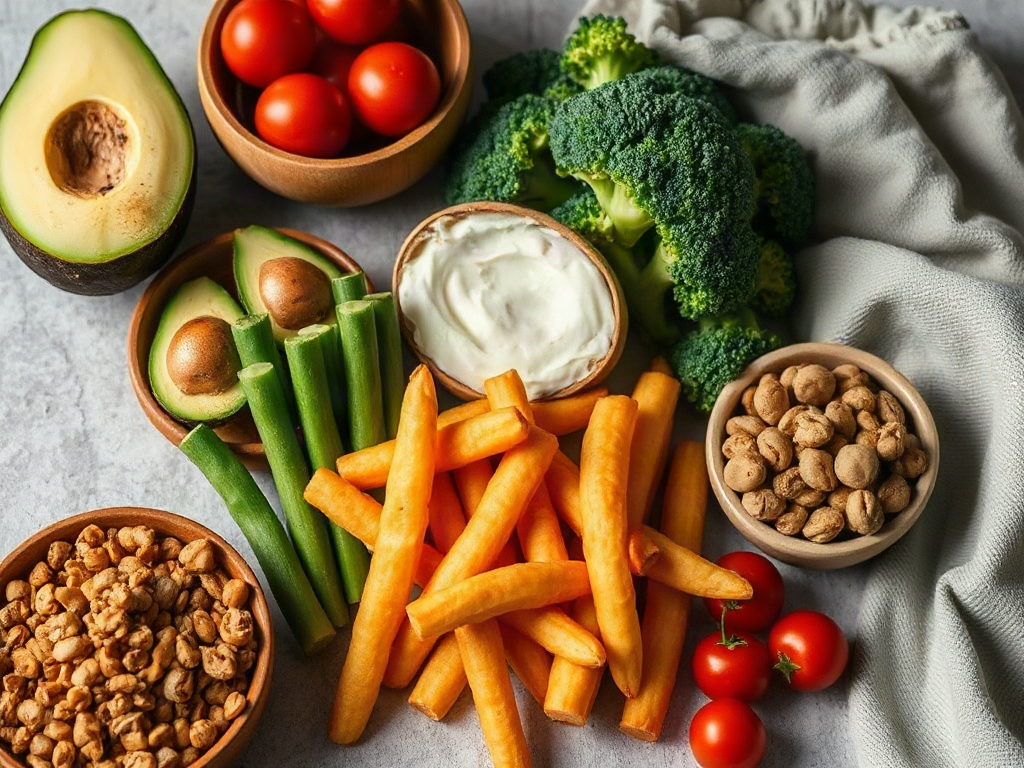
Foods for vaginal health and microbiome support are mainly whole, fiber-rich foods, fermented options, and nutrient-dense meals that support immune function and normal hormone-related physiology rather than directly changing vaginal bacteria. Vegetables, beans, whole grains, berries, nuts, seeds, and unsweetened yogurt can contribute useful fiber, vitamin C, zinc, and live cultures, while adequate hydration supports normal mucosal comfort. Added sugar, highly processed foods, and unnecessary supplements deserve more caution because diet does not reliably treat bacterial vaginosis, yeast infections, odor, itching, or pain. Persistent or recurrent symptoms need clinical evaluation, since food cannot replace diagnosis or prescribed treatment.
How Food Relates to Vaginal Microbiome Balance
The vaginal microbiome is shaped by interacting factors that include hormones, sexual activity, menstrual changes, medications, hygiene products, and individual biology. Lactobacillus species are often prominent in a healthy vaginal environment because they can produce lactic acid and contribute to a lower-pH setting, but food does not work like a switch that reliably increases or restores these bacteria.
Diet matters more indirectly. A varied eating pattern supplies energy and micronutrients for immune defenses, supports bowel regularity, and may reduce the metabolic strain associated with a diet dominated by refined carbohydrates and ultra-processed foods. Those are sensible health priorities, but they should not be confused with a proven dietary treatment for bacterial vaginosis or vulvovaginal candidiasis. The same principle applies to claims that one juice, herb, or probiotic food can eliminate odor.
For example, someone eating very little fiber may benefit from gradually adding lentils, oats, vegetables, or fruit because these foods support the gut microbiome and regular digestion. That change may improve overall well-being without producing a predictable vaginal-microbiome result. A person with new burning and unusual discharge needs a different response: symptom assessment, not an aggressive food experiment.
Foods for vaginal health and microbiome support should therefore be viewed as part of foundational care. Avoiding douching, using gentle external cleansing, taking antibiotics only as prescribed, and seeking evaluation for persistent symptoms may matter more than searching for a single “best” ingredient.
Whole Foods That Supply Useful Nutrients
A practical dietary pattern emphasizes vegetables, fruit, beans, lentils, whole grains, nuts, seeds, eggs, seafood, and other minimally processed foods. These choices provide fiber, vitamin C, vitamin A precursors, zinc, folate, protein, and essential fats. Such nutrients support normal skin and mucosal maintenance and immune function, although adequate intake does not guarantee a particular vaginal bacterial profile.
Colorful produce can be useful because it combines water, fiber, and plant compounds without the concentrated sugar load of many sweetened beverages. Bell peppers, broccoli, citrus, berries, leafy greens, and sweet potatoes are easy examples. Beans and lentils add fiber and minerals; pumpkin seeds and walnuts provide useful fats and minerals; fish, tofu, eggs, or poultry can anchor a balanced meal when protein intake is otherwise low.
A realistic plate might include lentils with roasted vegetables and brown rice, or salmon with greens, potatoes, and plain yogurt on the side. The comparison that matters is not “superfood versus ordinary food.” It is a consistent, varied meal versus a restrictive plan built around expensive powders or repeated doses of one ingredient. Variety improves nutritional coverage and is easier to maintain.
Common mistakes include treating cranberry products as a vaginal-health cure, choosing sweetened yogurt because it contains the word “probiotic,” or removing broad food groups without a diagnosed reason. Cranberry has a different evidence base from vaginal infection treatment, and added sugar can turn a potentially useful food into a dessert-like product. Read labels for added sugars and choose portions that fit the rest of the meal rather than chasing a therapeutic dose that has not been established.
Fermented Foods, Fiber, and Practical Meal Planning
Fermented foods may fit a supportive eating pattern, but their effects depend on the product and the person. Plain yogurt with live cultures, kefir, fermented vegetables, and tempeh can provide live microorganisms or fermentation products. Those organisms do not automatically colonize the vagina, and a food that benefits one person’s digestion may cause bloating or discomfort in another.
Fiber is equally relevant to a whole-food pattern. Oats, barley, beans, chickpeas, onions, garlic, asparagus, apples, and seeds provide different types of fiber that gut microbes can use. Increasing fiber gradually, drinking enough fluid, and rotating sources is more sensible than suddenly eating large amounts of raw vegetables or bran. A rapid increase can cause gas, which may lead someone to abandon an otherwise helpful pattern.
A simple weekly approach can keep decisions manageable:
- Include a vegetable or fruit at most meals, using frozen produce when cost or storage is limiting.
- Use beans, lentils, tofu, eggs, fish, or other protein foods regularly instead of relying on sweet snack products.
- Choose plain yogurt or kefir if tolerated, then add berries, oats, or nuts rather than selecting heavily sweetened versions.
- Increase fiber in small steps and monitor bloating, stool changes, and overall comfort.
Fermented foods are optional, not mandatory. Someone with lactose intolerance may choose fortified soy yogurt or another tolerated food, while someone sensitive to fermented vegetables may gain more from fresh produce and legumes. The useful signal is sustainable dietary adequacy, not a sensation or discharge change interpreted as proof that the microbiome has been “reset.”
Supplements require an even higher level of skepticism. Oral probiotics may be marketed for vaginal concerns, yet strains, doses, study results, and product quality vary. A supplement can also distract from an untreated infection or interact with a person’s medical circumstances. Discuss recurrent symptoms or supplement use with a clinician rather than stacking products after an unsuccessful trial.
Dietary Limits, Symptoms, and When to Seek Care
Reducing added sugar and heavily processed foods can improve overall dietary quality, but it is not a guaranteed way to prevent yeast infections. Candida symptoms are not explained by sugar intake alone, and strict “anti-yeast” diets can become unnecessarily restrictive. A better priority is replacing sugary drinks and frequent refined snacks with water, unsweetened dairy or fortified alternatives, whole fruit, nuts, and balanced meals while preserving enough calories and carbohydrates.

Hygiene practices often have a larger immediate effect on comfort than dietary fine-tuning. The vagina is self-cleaning; douching, fragranced washes, deodorant sprays, and internal products can irritate tissue or disturb the local environment. Wash the vulva gently with water or a mild fragrance-free cleanser if needed, keep the area dry without scrubbing, and change out of damp clothing when practical. Breathable underwear may improve comfort, but no clothing choice treats an infection.
Food-based self-treatment becomes a poor choice when symptoms are new, strong, recurrent, or uncertain. Fishy odor, gray or green discharge, intense itching, sores, pelvic pain, pain with urination, fever, bleeding outside an expected period, or symptoms during pregnancy warrant medical advice. Yeast infection, bacterial vaginosis, sexually transmitted infections, dermatitis, and other conditions can overlap in appearance but require different management.
Track patterns without turning the log into a diagnosis. Note the timing of symptoms, menstrual cycle, recent antibiotics, new products, sexual exposure, and foods that cause digestive reactions. A recurring pattern after antibiotics, for instance, is more actionable to discuss with a healthcare professional than an assumption that one dessert caused an infection. If symptoms fail to improve, worsen, or return repeatedly, testing and professional guidance are more useful than adding garlic, vinegar, boric acid, or multiple probiotics on your own.
The most reliable food strategy is modest and repeatable: eat enough, include varied plants and protein, select unsweetened fermented foods if tolerated, hydrate normally, and avoid claims that promise a rapid microbiome reset. Those measures support general health while leaving diagnosis and treatment to appropriate clinical care.
Frequently Asked Questions
What foods are most useful for a supportive eating pattern?
Prioritize vegetables, fruit, beans, lentils, whole grains, nuts, seeds, and adequate protein. Plain yogurt or kefir may be included if tolerated, but no single food is proven to restore vaginal bacteria.
Can yogurt prevent yeast infections?
Eating yogurt is not a reliable prevention or treatment method for yeast infections. Persistent itching, burning, or unusual discharge should be assessed rather than managed with food alone.
Should I avoid sugar for vaginal health?
Limiting added sugar can improve overall diet quality, but strict sugar elimination is not a guaranteed way to prevent yeast or bacterial infections. Avoid restrictive plans unless a qualified professional gives a specific reason.
Do probiotics balance the vaginal microbiome?
Some probiotic products have been studied, but results vary by strain and condition, and food or supplements do not replace diagnosis or prescribed treatment. Ask a clinician about recurrent symptoms.
When should vaginal symptoms be checked?
Seek medical advice for new, severe, recurrent, or unexplained odor, discharge, itching, sores, pelvic pain, fever, bleeding, or painful urination, especially during pregnancy.
Conclusion
A vaginally supportive eating pattern is built from ordinary, varied foods rather than a detox, juice, or single probiotic product. Vegetables, legumes, whole grains, fruit, nuts, seeds, and adequate protein provide fiber and nutrients that support general immune and mucosal health; plain fermented foods can be optional additions when they suit your digestion. Limit added sugar and highly processed choices for overall dietary quality, not because they are proven to cure infection. Avoid douching and fragranced products, and treat persistent symptoms as a medical question. The practical next step is to improve meal variety gradually, observe tolerance, and arrange appropriate evaluation when odor, itching, discharge, pain, or recurrence does not have a clear and short-lived explanation.
Related Content
- Common Barriers to Incorporating Superfoods Into Meals: Practical Solutions and Strategies
- Hidden Costs of Switching to Whole Food Superfoods: Budgeting for Nutritional Investments and Lifestyle Changes
- How to Balance Superfoods With Traditional Dietary Practices: Effective Methods and Practical Examples
- Issues With Integrating Superfoods Into Daily Meals: Common Challenges and Practical Solutions
- How Can I Incorporate Whole Food Nutrition Into My Diet?