
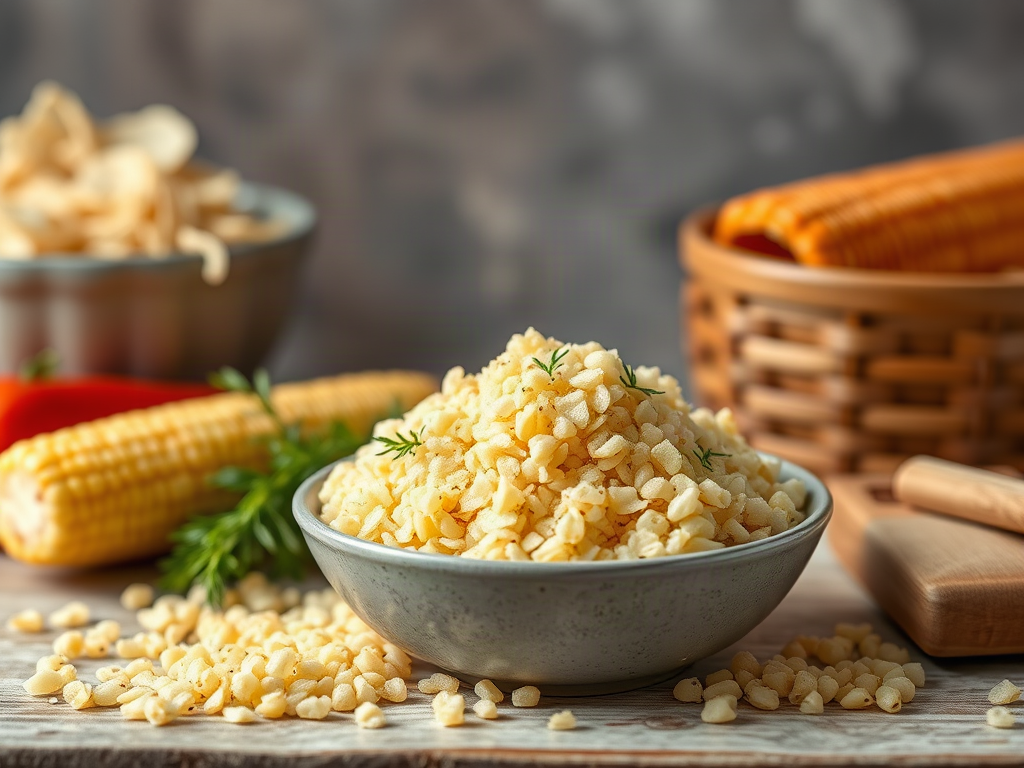
Hominy nutrition and its place in balanced meals depend on treating it as a whole-grain-style carbohydrate base rather than a complete meal by itself. Made from corn treated with an alkaline solution, hominy has a distinctive texture and can contribute carbohydrates, some fiber, and modest plant protein, while its exact nutrition varies by form and serving size. Pairing it with beans, eggs, fish, poultry, tofu, or another protein improves meal balance, and adding vegetables supplies nutrients hominy lacks in meaningful amounts. Canned versions may contain considerable sodium, so rinsing and comparing labels can matter. People managing blood sugar, energy intake, or digestive tolerance should pay attention to portions and the rest of the plate.
What Hominy Contributes Nutritionally
Hominy is whole-kernel corn that has undergone nixtamalization, a traditional process in which dried corn is soaked or cooked in an alkaline solution. The treatment softens the hull, changes the flavor and texture, and makes the kernels swell. The result is larger, chewier corn with a savory, mildly earthy taste. It is sold dried, canned, or ground into products such as grits and masa.
From a meal-planning perspective, hominy is mainly a source of carbohydrate. It can provide energy and some fiber, but it is not a high-protein food and should not be expected to supply the same nutritional role as beans, lentils, eggs, fish, dairy, tofu, or meat. The nutrition panel differs among brands and forms, so a serving of canned hominy should be judged by its own label rather than by a generic food database entry.
The nixtamalization process has a meaningful nutritional dimension. Alkaline treatment can make niacin more available than it is in untreated corn, although the final nutritional effect depends on the process and the rest of the diet. Hominy also contributes minerals in smaller amounts, with values affected by the corn variety, processing conditions, and preparation method. These details make hominy an interesting staple, but they do not turn it into a nutritionally complete food.
A bowl of hominy with butter and cheese may be satisfying, yet it can remain light on fiber-rich vegetables and protein. A bowl combining hominy, black beans, roasted peppers, greens, and a modest amount of avocado has a different nutritional structure: the hominy supplies the starch, beans add protein and fiber, and vegetables broaden the vitamin and mineral profile. That comparison is more useful than labeling hominy simply “healthy” or “unhealthy.”
Readers looking at Hominy nutrition and its place in balanced meals should begin with this division of labor. Use the kernels for texture and carbohydrate, then deliberately add the foods that provide what hominy supplies less generously.
How Processing Changes The Picture
Hominy’s form affects convenience, texture, sodium exposure, and how much preparation a meal requires. Dried hominy generally requires soaking and extended cooking, while canned hominy is ready to heat. Ground hominy products may cook more quickly, but their texture and serving habits can differ from intact kernels. None of these forms is automatically the best choice; the useful option depends on the meal and the label.
Canned hominy is practical for weeknight soups, stews, and skillet meals. The main issue is often the liquid, which may contain added salt. Draining and rinsing can reduce some surface sodium, though it does not remove everything. Comparing regular, reduced-sodium, and no-salt-added versions gives more control, especially when the recipe also includes broth, cured meat, cheese, salsa, or packaged seasoning.
Dried hominy offers more control over ingredients and texture, but it requires planning. Kernels that are undercooked can remain tough, while overcooking can make them split and lose their chew. A batch cooked without heavy seasoning can be portioned into several meals and flavored differently later. That approach may be more useful than buying a highly seasoned prepared dish when sodium or recipe flexibility is a priority.
Ground products deserve separate attention. Grits made from hominy can be part of a balanced breakfast or dinner, but butter, cream, and large amounts of cheese may increase saturated fat and energy density without adding much fiber or produce. Pairing a smaller bowl with eggs and sautéed greens creates a more complete plate than treating creamy grits as the entire meal. The same principle applies to masa-based foods: the filling, cooking fat, and side dishes influence the overall result.
A common mistake is assuming that traditional processing makes every hominy product nutritionally identical. Check the ingredient list, serving size, sodium, and preparation additions. The kernel itself may be simple, while the finished dish becomes much richer or saltier through broth, bacon, cream, or cheese.
Building A Balanced Plate With Hominy
Hominy works best in a balanced meal when it occupies the starch portion and is paired with a clear protein source and several types of produce. This arrangement improves satiety and gives the meal a wider nutrient range than hominy served alone. It also makes portion decisions easier because the plate has distinct components rather than one large bowl dominated by kernels.
Beans are a particularly natural partner. A pozole-inspired bowl with hominy, chicken or beans, cabbage, radish, onion, herbs, and a chile-based broth combines contrasting textures and flavors while distributing the meal across carbohydrate, protein, fiber, and vegetables. A vegetarian version can use pinto beans, white beans, or lentils. If beans cause digestive discomfort, begin with a smaller amount, rinse canned beans well, and increase gradually rather than abandoning the combination altogether.
Other pairings suit different needs. Eggs and greens can turn hominy into a savory breakfast hash. Salmon, hominy, and roasted vegetables provide a dinner with protein and colorful produce. Tofu, mushrooms, bok choy, and hominy can form a plant-based skillet. Yogurt or a small amount of cheese may add flavor and protein, but relying on cheese alone can make sodium and saturated fat rise quickly.
A useful assembly sequence is simple:
- Choose a modest serving of hominy as the carbohydrate base.
- Add a substantial protein such as beans, lentils, eggs, tofu, poultry, fish, or lean meat.
- Fill a generous part of the dish with vegetables, herbs, or fruit suited to the recipe.
- Use broth, sauces, oils, cheese, and toppings deliberately because they can change the meal more than the hominy does.
The right comparison is not hominy versus an idealized “superfood.” It is hominy in one plate versus the same amount of hominy in a meal with or without protein and vegetables. Someone needing a quick, affordable starch may find it useful; someone seeking a high-protein meal will need to build around another ingredient.
For readers exploring balanced uses for hominy, the sign that the approach is working is a meal that remains satisfying without depending on oversized portions or rich toppings. If hunger returns quickly, first examine the protein and vegetable components before assuming more hominy is the answer.
Portions, Sodium, And Individual Tolerance
Portion needs vary with appetite, activity, energy requirements, and what else appears in the meal. Hominy is not inherently a problem for blood sugar or body weight, but a large serving of any concentrated starch can contribute substantial carbohydrate. Combining it with protein, fiber-rich beans, and non-starchy vegetables usually produces a more balanced meal than eating a large serving with a sweet drink or refined toppings.
People monitoring glucose may find it useful to compare their response to hominy in different contexts rather than judging the food in isolation. A bowl containing hominy, beans, chicken, and vegetables has a different carbohydrate load and eating pattern from a large serving of hominy alone. Personal medical plans should take priority, and a dietitian or clinician can provide individualized guidance for diabetes or other conditions.
Sodium is the more obvious concern with many canned preparations. The kernel may be relatively plain, while the canning liquid, broth, seasoning blends, and cured meats create a salt-heavy dish. Rinsing canned hominy, choosing no-salt-added products, and seasoning with garlic, cumin, chile, lime, cilantro, or vinegar can preserve flavor without making salt the main source of interest.
Digestive tolerance also differs. Hominy contains fiber, but not every person experiences it the same way. A sudden increase in corn products, beans, or large vegetable portions may cause gas or discomfort. Smaller servings, adequate fluids, gradual increases, and thorough cooking may help some people. Persistent pain, vomiting, unexplained weight loss, or ongoing bowel changes deserve medical assessment rather than self-experimentation with food.
Gluten is not naturally present in plain corn or hominy, but flavored products and shared manufacturing environments can introduce labeling questions for people who must avoid gluten strictly. Read the package and use certified products when a medical diagnosis requires careful avoidance. “Corn-based” alone does not answer every cross-contact question.
Practical Ways To Use Hominy
Hominy is easiest to use well when it replaces another starch in a meal rather than being added on top of an already starch-heavy plate. It can stand in for rice, potatoes, or some of the pasta in soups and skillet dishes. That substitution preserves a satisfying base while introducing its characteristic chew and corn flavor.
For a fast meal, drain and rinse canned hominy, then warm it with black beans, frozen peppers, onion, and a protein of choice. Add greens near the end so they wilt without disappearing completely. A spoonful of salsa or a squeeze of lime can provide acidity; use cheese or avocado as a measured finishing ingredient rather than the main source of richness.
For meal preparation, cook plain hominy in batches and cool it promptly before refrigerating in shallow containers. Reheat only the portion needed, and use leftovers in different ways: a broth-based soup one day, a vegetable hash the next, or a salad-style bowl with beans and herbs. Food-safety handling matters more than whether the hominy is dried or canned.
Common failures are predictable. Hominy can become bland when cooked in water and left unseasoned, heavy when covered with cream and cheese, or nutritionally lopsided when served without protein. Correcting those problems does not require eliminating it. Season the cooking liquid, add aromatic vegetables, choose a protein first, and let the kernels provide texture rather than asking them to carry the entire meal.
A practical test is to look at the finished plate before eating: can you identify the protein, the produce, and the starch? If hominy fills nearly the whole bowl, add beans, eggs, tofu, fish, poultry, or vegetables. If the dish is already rich or salty, choose fresh produce and a lighter sauce at the next meal. This approach keeps hominy in a balanced eating pattern without turning one ingredient into a nutritional verdict.
Frequently Asked Questions
Is hominy a whole grain?
Hominy is made from whole corn kernels, but processing and the final product matter. Intact hominy kernels are generally a less refined choice than products made from finely ground corn and added fats.
Does hominy provide protein?
It provides some plant protein, but not enough to serve as the main protein in most meals. Pair it with beans, lentils, eggs, tofu, fish, poultry, or another protein-rich food.
Is canned hominy nutritious?
Canned hominy can fit well into meals, especially when it is rinsed and paired with vegetables and protein. Compare sodium and serving sizes because products vary.
Can hominy fit a diabetes-friendly meal?
It may fit, but portion size and the rest of the plate matter. Combining it with protein, beans, and non-starchy vegetables can create a more balanced carbohydrate-containing meal; individual plans should guide choices.
What is the best way to make hominy more filling?
Add a substantial protein and fiber-rich produce rather than simply increasing the hominy portion. Beans, greens, peppers, cabbage, eggs, tofu, and fish are practical options.
Conclusion
Hominy earns a useful place in balanced meals when it is treated as a flavorful carbohydrate base, not as a complete source of nutrition. Choose the form that suits your schedule, check canned products for sodium, and build the rest of the plate around protein and vegetables. Beans, eggs, tofu, fish, poultry, greens, peppers, cabbage, and fresh herbs can turn the kernels into a more satisfying and nutrient-diverse meal. Portion awareness matters most when hominy is served with other starches or rich toppings. If you are managing blood glucose, digestive symptoms, or a medically required gluten-free diet, adapt the choice to your individual guidance and product labels. A simple next step is to use hominy in place of rice or potatoes once, then assess the meal’s protein, produce, salt, and staying power.
Related Content
- What Are The Benefits Of Whole Food Nutrition For Health?
- What to Do If a Superfood Isn’t Improving Digestion: Common Mistakes and Effective Alternatives
- Can Organic Superfoods Help With Weight Loss Or Management?
- How to Modify Superfood Intake for Specific Diets With Foods, Portions, and Timing
- How to Choose High Quality Whole Food Superfoods: Key Nutritional Factors and Selection Steps