
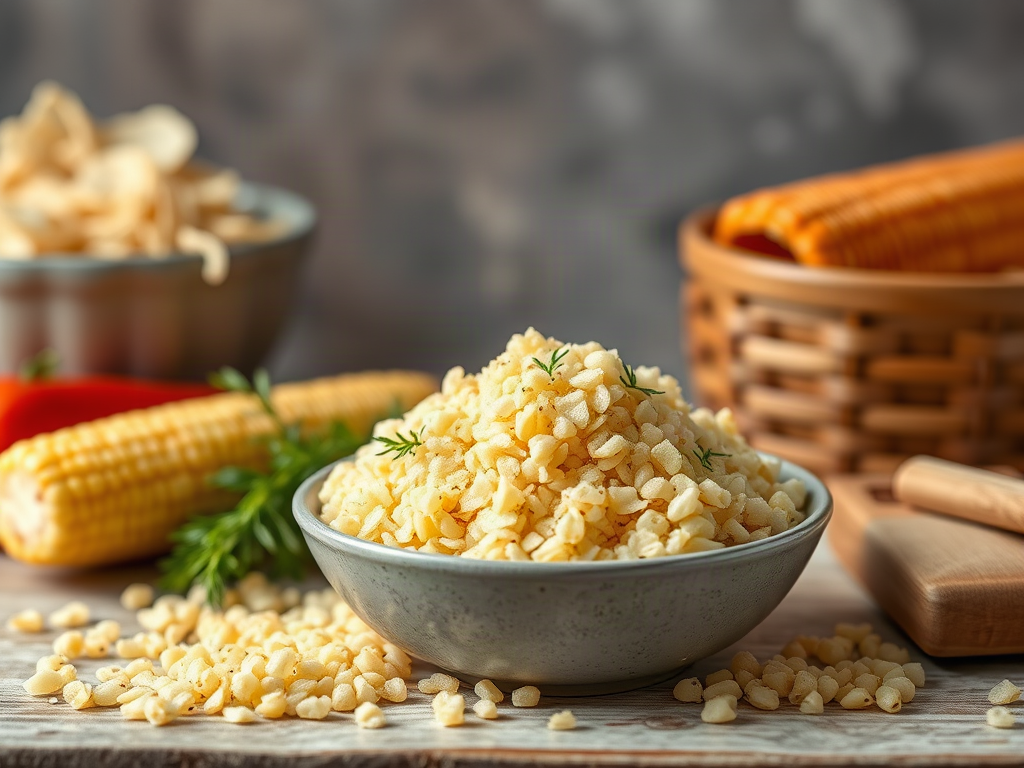
Hominy nutrition and its place in balanced meals are best judged by how the corn-based ingredient is prepared and what accompanies it. Hominy supplies carbohydrate, some fiber, and useful minerals, but it is not a complete protein and usually contributes little fat, so beans, eggs, fish, poultry, tofu, or dairy can make the plate more nutritionally substantial. Whole-kernel hominy may provide more texture and fiber than a highly processed preparation, while canned versions can contain added sodium. Pairing hominy with vegetables, a protein source, and a modest amount of unsaturated fat creates better balance than treating it as the entire meal.
What Hominy Contributes to a Meal
Hominy is dried field corn that has undergone nixtamalization, a process in which the kernels are treated with an alkaline solution and then washed, dried, or cooked. The treatment softens the outer layer, changes the flavor and texture, and makes hominy suitable for dishes such as pozole, grits, stews, and skillet meals. Its nutritional role is primarily that of a grain-based carbohydrate, not a stand-alone source of complete nourishment.
A serving can contribute energy for daily activity along with some fiber, potassium, magnesium, and other nutrients naturally present in corn. Exact values vary according to whether the product is canned, cooked from dried kernels, ground into grits, or prepared with broth, salt, butter, cream, or cheese. Checking the package or recipe matters more than assuming every form has the same profile. Plain cooked hominy and a rich bowl of hominy grits are not nutritionally interchangeable.
The protein content is modest, and the protein does not provide the same amino-acid balance as many animal proteins. That does not make hominy a poor choice; it means its role is clearer when paired with beans, lentils, eggs, fish, chicken, tofu, or another protein-rich food. A bowl of hominy with black beans and vegetables has a different nutritional structure from a bowl of hominy topped only with cheese.
Nixtamalization also has a meaningful food-quality dimension. It can improve the availability of niacin and contributes calcium from the treatment process, although the final amount depends on the method and product. These benefits should not be exaggerated into a health claim. Hominy remains one component of a meal, and its value depends on the broader pattern of foods around it. Readers comparing it with hominy nutrition and its place in balanced meals should focus first on the entire plate rather than a single nutrient.
How Processing and Preparation Change the Choice
Processing affects hominy most visibly through texture, sodium, and the amount of added fat used during cooking. Dried hominy requires soaking and simmering, while canned hominy is convenient and ready to add to soups or sautés. Canned products can fit well into a balanced pattern, but the nutrition label may reveal substantial sodium, especially when the kernels are used in a salty broth.
Rinsing and draining canned hominy can reduce some surface salt, although it does not remove all sodium. Choosing a no-salt-added or lower-sodium version gives more control, particularly when the recipe also includes stock, cured meat, packaged seasoning, or salty cheese. The practical tradeoff is convenience: dried hominy takes longer, but it allows the cook to control ingredients from the beginning.
Ground hominy products, including some forms of grits, deserve separate attention. Plain grits may be a reasonable carbohydrate base, yet cream, butter, bacon, and large amounts of cheese can substantially change the meal’s energy, saturated fat, and sodium profile. The issue is not that these ingredients are forbidden; it is that a preparation often mistaken for “just hominy” may contain several additional foods that dominate the nutrition label.
A useful comparison is plain hominy cooked in water or unsalted broth versus hominy simmered in a rich sauce. The first leaves room for beans, greens, salsa, avocado, or lean protein. The second may already supply much of the dish’s sodium and fat before toppings are added. A common mistake is judging the ingredient by its simplest form while ignoring the cooking liquid and finishing ingredients. Taste the finished dish, review the label, and adjust salt near the end rather than automatically adding it at each stage.
Building a Balanced Plate With Hominy
Hominy works best when it occupies the grain or starchy-food portion of a meal while other foods supply protein, vegetables, and optional fat. This arrangement improves satiety and creates more varied nutrient intake than using hominy as the only substantial ingredient. A practical plate might combine hominy with pinto beans, roasted peppers, leafy greens, and a spoonful of plain yogurt or avocado.
Protein is the first addition to consider because hominy alone is not protein-dense. Beans and lentils are especially useful in plant-based meals, bringing protein and fiber that complement the grain. Eggs, grilled chicken, fish, tofu, or tempeh can serve the same structural purpose. The best pairing depends on the rest of the day: someone already eating several animal-based foods may benefit from a bean-and-vegetable version, while someone with limited appetite may choose a smaller hominy portion alongside a more concentrated protein.
Vegetables add volume, color, and a range of vitamins and protective plant compounds without requiring the dish to become complicated. Cabbage, tomatoes, onions, winter squash, greens, mushrooms, and peppers work in soups, bowls, and skillet preparations. Acidic ingredients such as lime, tomatoes, or a mild vinegar-based salsa can sharpen flavor, which may reduce the temptation to compensate with more salt.
Fat is useful for flavor and meal satisfaction, but it is easy to add more than the dish needs. Avocado, olive oil, seeds, nuts, or a small amount of cheese can provide a deliberate finishing element. A common failure mode is combining a fatty cooking base, fatty meat, cheese, and creamy garnish in the same bowl, then assuming the vegetables make the meal balanced. Choose one or two purposeful additions instead.
For readers exploring hominy nutrition and its place in balanced meals, a simple assembly sequence works well: select the protein, add two kinds of vegetables when possible, portion the hominy according to hunger and activity, then use herbs, spices, citrus, or salsa before reaching for extra salt. The meal should feel complete without requiring hominy to carry every nutritional responsibility.
Portions, Sodium, and Common Nutrition Mistakes
Portion needs vary with appetite, activity, age, medical considerations, and what else is served. A modest scoop may be appropriate beside beans and vegetables, while a larger serving may make sense after strenuous activity or when hominy is replacing another grain. There is no single portion that defines a balanced meal. The more useful question is whether the serving leaves room for protein and produce.
Sodium deserves attention because hominy often appears in soups and stews where multiple salty ingredients accumulate. Canned kernels, broth, smoked meat, seasoning blends, and cheese can each contribute salt. People managing sodium intake should compare labels, rinse canned hominy, use unsalted broth where practical, and build flavor with garlic, chile, cumin, oregano, onion, and citrus. These changes preserve the dish’s character without assuming that blandness is the only alternative to heavy salting.
Digestive tolerance can also differ. Hominy contains carbohydrate and fiber, and a large portion added suddenly to a diet that is otherwise low in fiber may cause fullness or digestive discomfort. Gradual increases, adequate fluids, and pairing it with familiar foods may be more comfortable than making a very large bowl the first experiment. Persistent or severe symptoms should not be attributed casually to hominy; they warrant appropriate medical attention.
Another weak assumption is that “whole-food” automatically means unlimited. Hominy is less processed than many highly formulated snack foods, but it remains a concentrated starchy ingredient once served in quantity. Conversely, avoiding it solely because it is a corn product overlooks its culinary value and its place among traditional foods. The better decision depends on preparation, portion, dietary pattern, and personal tolerance.
- Check the form: distinguish plain kernels, canned versions, and enriched or heavily dressed grits.
- Check the partner foods: identify the protein and vegetables before adding toppings.
- Check the sodium pathway: review cans, broth, cured meats, sauces, and cheese together.
- Check the eating experience: adjust portion and fiber gradually if fullness or discomfort appears.
Practical Hominy Meal Examples
A bean-and-hominy bowl is a strong everyday template because each component has a distinct job. Combine warm hominy with black or pinto beans, sautéed peppers and onions, shredded cabbage, tomato salsa, and a small amount of avocado. The beans supply more protein and fiber, the vegetables add texture and volume, and the salsa contributes acidity and flavor. If canned ingredients are used, rinsing both the hominy and beans can help reduce the dish’s surface sodium.
For a poultry or seafood version, use hominy in a tomato-based stew with chicken, white fish, or shrimp, then add greens or zucchini near the end of cooking. Choose a broth with less sodium when available and taste before seasoning. The tradeoff is that seafood cooks quickly and may become tough if simmered too long, while chicken can tolerate a longer braise. The cooking method changes the final dish even though the hominy quantity is similar.
Breakfast-style grits can also fit a balanced pattern. Plain grits topped with an egg, sautéed spinach, mushrooms, and a little grated cheese provide a more substantial meal than grits with butter alone. A person who prefers a sweeter breakfast might pair plain hominy-based porridge with fruit, yogurt, and seeds, while recognizing that the protein contribution comes mainly from the yogurt and seeds rather than the grain.
When planning leftovers, keep hominy separate from very watery vegetables if possible so the kernels retain their texture. Reheat with a splash of water or unsalted broth, then add fresh herbs or citrus after heating. A common mistake is reheating a finished stew repeatedly; this can soften vegetables and make the seasoning taste more concentrated. Portioning leftovers before storage makes it easier to pair a starchy serving with a fresh protein or salad the next day.
Use hominy nutrition and its place in balanced meals as a planning question rather than a claim that hominy itself is a complete meal. If the bowl contains a recognizable protein, several vegetables, a sensible amount of hominy, and a controlled source of added fat, it is generally better structured than a large serving built around kernels and rich toppings alone.
For nutrient values, compare the specific product label with the USDA FoodData Central database, since canned, dried, ground, and seasoned hominy can differ considerably. University extension nutrition resources can also provide practical guidance on legumes, whole grains, sodium, and meal composition.
Frequently Asked Questions
Is hominy a whole grain?
Hominy is made from whole corn kernels, but processing and grinding can change how it is classified in a particular product. Check the ingredient list and nutrition label, especially for grits and prepared mixes.
Does hominy provide protein?
It provides some protein, but usually not enough to serve as the main protein source in a meal. Pair it with beans, lentils, eggs, tofu, poultry, fish, or dairy.
Is canned hominy nutritious?
Canned hominy can be a convenient carbohydrate and fiber source. Choose lower-sodium options when possible, and drain and rinse the kernels before adding them to recipes.
Can hominy fit a weight-management eating pattern?
It can fit when the portion matches hunger and the meal includes protein and vegetables. Rich toppings and large servings can make the dish much more energy-dense than plain hominy.
What is the healthiest way to serve hominy?
Use plain or lightly seasoned hominy with a protein source, several vegetables, and a measured amount of unsaturated fat. Limit stacked sources of sodium and rich toppings.
Conclusion
Hominy earns its place in balanced meals as a flavorful corn-based carbohydrate with useful texture, some fiber, and nutrients influenced by nixtamalization. Its limitations are equally practical: it is not a complete protein, canned versions may be salty, and rich preparations can shift the meal toward excess sodium or added fat. Build around the ingredient by adding beans, lentils, eggs, tofu, poultry, or seafood; include vegetables for volume and variety; and use avocado, olive oil, seeds, or cheese deliberately rather than automatically. Start with the product label and the finished recipe, not the name alone. A measured serving of hominy can support a satisfying meal when the surrounding ingredients supply what the kernels do not.
Related Content
- Issues With Over-Reliance on Superfood Supplements: Risks, Misconceptions, and Practical Alternatives
- Can Too Many Superfoods Cause Digestive Issues: Recognizing Symptoms and Managing Intake
- What To Do If Superfoods Are Not Meeting Nutritional Needs — A Nutrient Gap Checklist
- Mediterranean Diet for Brain Health Fundamentals: Foods, Patterns, and Practical Priorities
- How Do Organic Superfoods Compare To Regular Superfoods?