
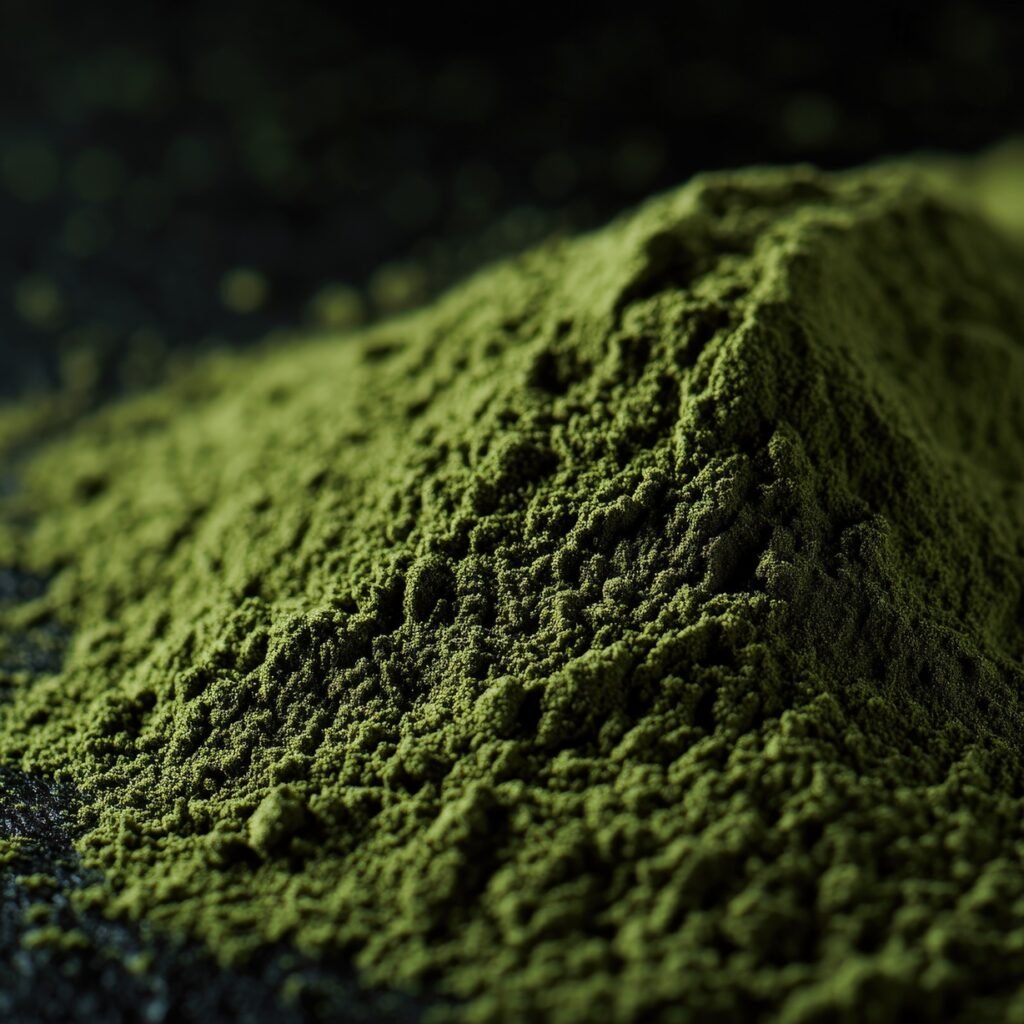
Moderating your intake of superfoods is essential to avoid digestive discomfort. Many people mistakenly believe that more superfoods equate to better health without considering their individual tolerance levels. For instance, ingredients like chia seeds or kale are high in fiber and can cause issues when consumed in excess. Listening to your body and adjusting your diet accordingly can help mitigate these effects.
Furthermore, integrating superfoods gradually into your diet can prevent sudden digestive disturbances. If you experience discomfort, consider tracking your food intake to identify potential triggers. This approach not only helps you understand your body’s reactions but also informs you on how to balance superfood consumption with other dietary needs.
Understanding Superfoods and Their Benefits
Superfoods are nutrient-dense foods considered to offer health benefits beyond basic nutrition. They typically include fruits, vegetables, nuts, seeds, and whole grains rich in vitamins, minerals, and antioxidants. However, while they can enhance overall health, excessive consumption may lead to digestive challenges.
Many superfoods are high in fiber, which is beneficial for digestion in moderate amounts but can lead to problems like bloating and discomfort when consumed excessively. Balancing superfoods with other food groups is crucial to achieving optimal health benefits without overwhelming the digestive system.
Additionally, some individuals may have sensitivities to specific superfoods, leading to digestive issues. It’s essential to identify and address these sensitivities to maintain a balanced and healthy diet.
Common Digestive Issues Linked to Superfoods
Digestive issues associated with superfood consumption often manifest as bloating, gas, and diarrhea. Foods high in fiber, such as beans, lentils, and certain fruits, can cause gas production in the intestines, leading to discomfort. Similarly, certain superfoods like kale and broccoli may aggravate pre-existing digestive conditions.
Moreover, superfoods rich in fructans, such as garlic and onions, can lead to digestive distress in individuals with irritable bowel syndrome (IBS). Recognizing these potential triggers is vital for those who experience frequent digestive discomfort.
It’s also important to note that excessive intake of certain nutrients, such as iron from spirulina or vitamin K from leafy greens, can lead to complications, including digestive disturbances. Monitoring your intake is essential to avoid these negative effects.
Managing Superfood Intake for Optimal Digestion
To manage superfood intake effectively, start by incorporating them gradually into your diet. This approach allows your digestive system to adjust to increased fiber and other nutrients without overwhelming it. Aim for a varied diet that includes a mix of superfoods and other nutrient-rich foods.
Additionally, staying hydrated is crucial when consuming fiber-rich foods. Adequate water intake helps facilitate digestion and prevents constipation, which can be a side effect of sudden fiber increases. Aim to drink plenty of fluids throughout the day, especially when introducing new superfoods.

Another strategy is to prepare superfoods in a way that enhances digestibility. For example, soaking nuts and seeds can reduce their phytic acid content, making them easier to digest. Cooking certain vegetables can also break down fiber, helping to reduce digestive discomfort.
Identifying Personal Tolerance Levels
Understanding your personal tolerance levels for superfoods is essential to avoid digestive issues. Keeping a food diary can help you track your intake and identify patterns related to digestive discomfort. Note which superfoods cause issues and experiment with portion sizes.
Consider consulting with a healthcare professional or a registered dietitian to gain insights into your dietary needs and sensitivities. They can provide personalized advice and help you create a balanced diet that includes superfoods without compromising your digestive health.
Lastly, remember that everyone’s digestive system is unique. What works for one person may not work for another, so it’s crucial to listen to your body and adjust your diet accordingly.
Further Reading
Authoritative Sources
- The Role of Fiber in Digestive Health
ncbi.nlm.nih.govThis article discusses how fiber impacts digestive health, emphasizing the importance of balance in fiber intake
- Superfoods for Digestive Health
healthline.comA comprehensive overview of various superfoods and their effects on digestion
Frequently Asked Questions
What are the symptoms of digestive issues caused by superfoods?
Symptoms can include bloating, gas, diarrhea, and abdominal pain, often linked to high fiber content or food intolerances.
How can I reduce digestive discomfort from superfoods?
Gradually introduce superfoods into your diet, stay hydrated, and consider cooking them to improve digestibility.
Are all superfoods high in fiber?
No, not all superfoods are high in fiber. While many, like beans and berries, are fiber-rich, others, like certain nuts and seeds, may have lower fiber content.
It’s important to check the nutritional content of each superfood to understand its fiber levels.
Can I eat superfoods every day?
Yes, but moderation is key. Balance superfoods with other food groups to avoid digestive issues.
Should I consult a doctor about my diet?
If you experience persistent digestive issues, consulting a healthcare professional or dietitian is advisable for personalized advice.
Related Content
- How to Effectively Combine Superfoods for Maximum Nutrition: Methods and Food Pairings
- Issues With Imported Superfoods and Their Nutritional Value: Understanding Quality Control and Nutrient Retention
- Issues With Relying Too Heavily on Superfood Snacks: Nutritional Trade-offs and Health Implications
- How to Choose Whole Foods That Support Recovery: Essential Foods for Optimal Healing
- What Are Common Mistakes People Make With Whole Food Nutrition?