
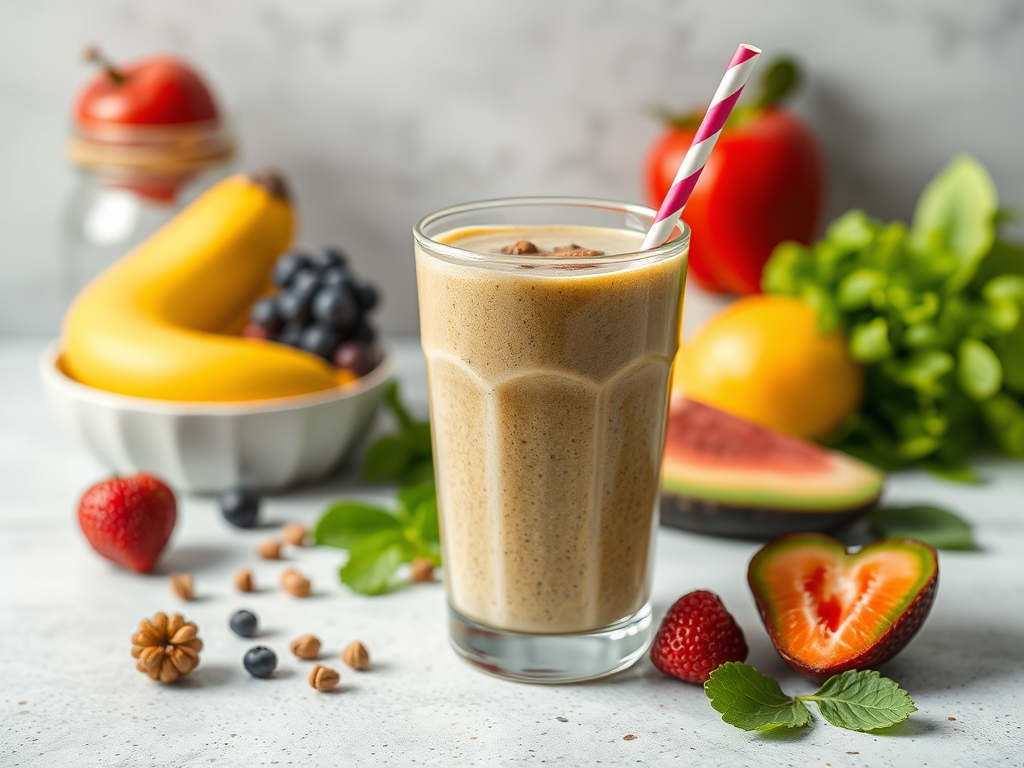
When creating a superfood smoothie, consider the balance of ingredients, nutritional content, and flavor combinations for optimal health benefits. Start with a base such as leafy greens or yogurt, add superfoods like chia seeds or spirulina for nutrients, and include fruits for taste. Avoid overloading on sweeteners, and aim for a balance of proteins, healthy fats, and carbohydrates to create a satisfying and healthful drink.
Choosing the Right Base
The base of your smoothie is crucial as it affects both the texture and overall nutritional profile. Common bases include leafy greens, yogurt, nut milk, or coconut water. Leafy greens, like spinach or kale, provide fiber and essential vitamins without adding many calories. Yogurt or nut milk can add creaminess and protein, while coconut water offers hydration and a touch of sweetness.
When selecting a base, consider dietary restrictions or preferences. For example, those avoiding dairy might prefer almond or oat milk. A good base sets the foundation for flavor and nutrient absorption. Additionally, be mindful of the quantity; using too much can lead to a thick, unpalatable texture. Aim for about 1 to 2 cups, depending on the other ingredients you plan to add.
Selecting Superfoods
Superfoods are nutrient-dense ingredients that can boost the health benefits of your smoothie. Common choices include chia seeds, flaxseeds, spirulina, acai berries, and matcha powder. Each of these ingredients offers unique health benefits, such as omega-3 fatty acids from flaxseeds or antioxidants from acai.
When incorporating superfoods, it’s essential to understand their flavors and how they interact with other ingredients. For instance, spirulina has a strong taste that may not blend well with all fruits. Start with small amounts to gauge how they affect the overall flavor. Furthermore, consider the nutritional balance; adding too many superfoods can lead to an overwhelming taste or texture.
Balancing Nutrients
Creating a well-rounded smoothie involves balancing macronutrients: carbohydrates, proteins, and fats. Carbohydrates, primarily from fruits, provide energy, while proteins can come from yogurt, protein powder, or nut butter. Healthy fats, such as avocado or nuts, help in nutrient absorption and keep you full longer.
A common mistake is to overly focus on one macronutrient, often resulting in a smoothie that’s too sugary or lacking in protein. For instance, using several high-sugar fruits without adequate protein can lead to a quick energy spike followed by a crash. Aim for a balanced ratio: one serving of protein, one serving of healthy fats, and one to two servings of carbohydrates. This balance will ensure sustained energy and optimal health benefits.
Enhancing Flavor
Flavor is a critical component of any smoothie. To enhance the taste, consider adding ingredients like spices (cinnamon or ginger), natural sweeteners (honey or maple syrup), or flavor extracts (vanilla or almond). These can elevate the overall experience without compromising nutritional value.
Be cautious with sweeteners; too much can negate the health benefits of your smoothie. Instead, rely on the natural sweetness of ripe fruits, and use sweeteners sparingly. Additionally, experiment with different combinations to find your ideal flavor profile. For example, pairing spinach with banana and almond milk creates a creamy, sweet smoothie that masks the taste of greens effectively.
Frequently Asked Questions
What are superfoods?
Superfoods are nutrient-rich foods considered to be especially beneficial for health and well-being, often high in vitamins, minerals, and antioxidants.
How can I make my smoothie more filling?
To make your smoothie more filling, include protein sources like Greek yogurt or protein powder and healthy fats like nut butter or avocado.
Can I prepare smoothies in advance?
Yes, you can prepare smoothies in advance; however, it’s best to store them in airtight containers in the fridge for no more than 24 hours to maintain freshness.
Are there any superfoods I should avoid?
While most superfoods are beneficial, some may not suit everyone; for example, those with nut allergies should avoid nut-based superfoods.
What’s the best way to clean my blender?
The best way to clean your blender is to fill it with warm water and a drop of dish soap, blend for a few seconds, and rinse thoroughly.
Conclusion
Creating a superfood smoothie involves careful consideration of the base, ingredients, and nutritional balance to maximize health benefits. By selecting the right combination of ingredients, you can craft a delicious, nutritious drink that supports your dietary needs. Prioritize balance and flavor to ensure your smoothies are both satisfying and healthful, and don’t hesitate to experiment with different combinations to find what works best for you.
Related Content
- Top Whole Foods That Help Reduce Inflammation (Naturally)
- What to Prioritize When Adopting Whole Food Nutrition: Key Foods, Meal Planning, and Nutritional Balance
- Which Superfoods Support Joint Health and Mobility: Essential Foods to Enhance Flexibility and Reduce Inflammation
- How to Assess the Environmental Impact of Superfoods: Key Metrics and Evaluation Methods
- Impact of Food Processing on Nutrient Retention: Key Factors and Practical Insights