
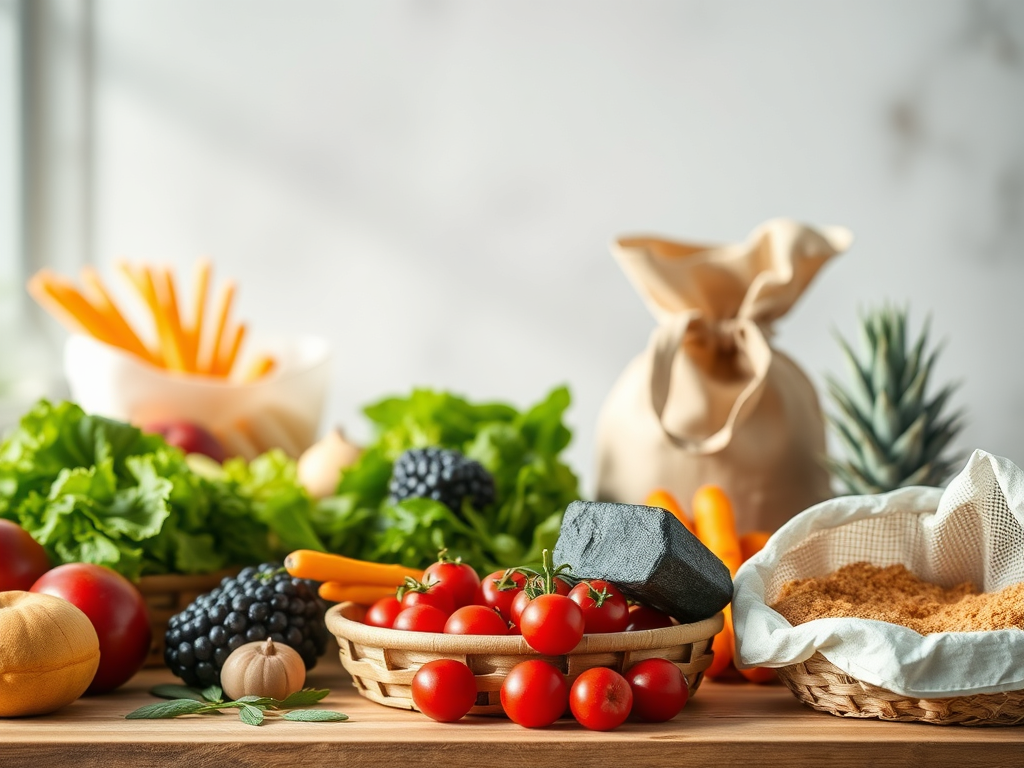
Finding local sources for fresh superfoods involves exploring farmers' markets, local co-ops, and community-supported agriculture (CSA) programs. These venues often provide seasonal produce directly from growers, ensuring quality and freshness. Additionally, connecting with local food networks through social media or community boards can help you discover unique vendors and seasonal offerings that aren't widely advertised. This approach not only enhances your diet but also supports local economies and sustainable farming practices.
Understanding Superfoods and Their Benefits
Superfoods are nutrient-rich foods considered to be especially beneficial for health and well-being. They are often high in antioxidants, vitamins, and minerals, and can contribute to improved health outcomes such as better digestion, increased energy levels, and enhanced immune function. Understanding what defines a superfood is crucial in identifying local sources that offer these health benefits. Common examples include kale, quinoa, blueberries, and chia seeds, among others.
One common misconception is that superfoods must be exotic or hard to find; however, many local foods can be categorized as superfoods based on their nutritional profile. This opens up a vast range of options for sourcing fresh superfoods within your community.
Exploring Local Farmers’ Markets
Farmers’ markets are a prime destination for acquiring fresh superfoods directly from local producers. These markets provide a unique opportunity to engage with farmers, learn about their growing practices, and ensure the freshness of the produce. When visiting a farmers’ market, look for vendors who specialize in organic or sustainably grown foods, as these often include a variety of superfoods.
To make the most of your visit, consider going early to access the freshest selections and ask about seasonal offerings. Many farmers also share information about their farming methods, which can enhance your understanding of the food you are purchasing. This direct interaction fosters a sense of community and supports local agriculture.
Community-Supported Agriculture (CSA) Programs
Community-supported agriculture (CSA) programs offer a subscription service where members receive a share of the harvest from local farms. Joining a CSA is an excellent way to access a variety of fresh superfoods throughout the growing season. Members typically receive a weekly or bi-weekly box of produce, which may include seasonal superfoods such as leafy greens, root vegetables, and berries.
When choosing a CSA, consider the farm’s growing practices and the variety of produce offered. Some CSAs allow members to customize their boxes based on preferences, which can help you include specific superfoods in your diet. Additionally, participating in a CSA often includes opportunities for farm visits and community events, further enhancing your connection to local food systems.
Utilizing Online Resources and Social Media
In today’s digital age, online resources and social media platforms can be invaluable tools for finding local sources of fresh superfoods. Websites like LocalHarvest.org or EatWild.com allow you to search for local farms, markets, and CSAs based on your location. These platforms often provide information on the types of produce available, including superfoods.
Social media groups focused on local food communities can also be a great way to connect with other food enthusiasts and discover hidden gems in your area. Many farmers and vendors use platforms like Instagram or Facebook to showcase their offerings, so following these accounts can keep you informed about seasonal produce and special events.
Understanding where to source fresh superfoods can significantly enhance your diet and support local agriculture. For additional resources on local farming practices and nutritional information, consider exploring articles from reputable agricultural extensions or local health organizations.
Related Content
- Challenges With Balancing Superfoods and Whole Foods: Key Nutritional Insights and Practical Strategies
- Issues With Superfoods That Claim Unrealistic Benefits: Common Misconceptions and Practical Insights
- What to Prioritize When Selecting Superfoods for Energy: Key Nutrients, Top Choices, and Practical Tips
- How can i compare different whole food diets?
- How Superfoods Help Detoxify Your Body (Safely)