
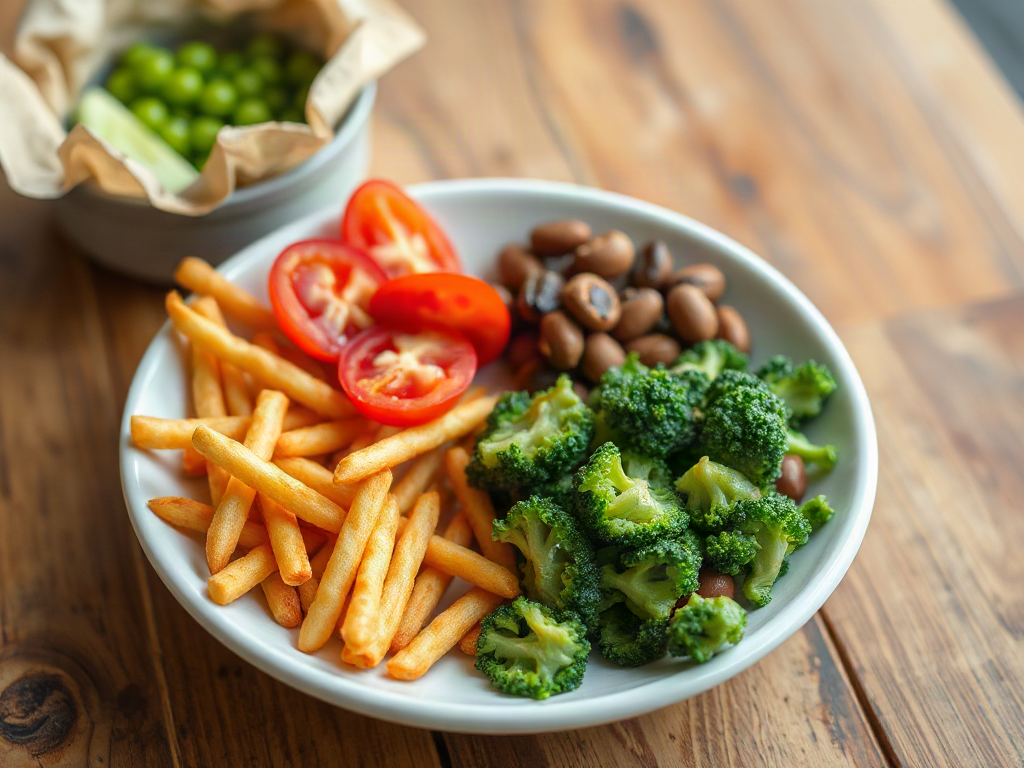
How Calorie Density Changes the Ranking
Calorie density describes how much energy a food provides in a given weight or volume. Fat contains more calories per gram than carbohydrate or protein, so foods rich in oils, nuts, seeds, and fatty dairy products rise quickly in a serving-based ranking. Water has the opposite effect: fresh fruit, vegetables, soups, and cooked grains may occupy more space while supplying fewer calories.
Serving size changes the order. A tablespoon of olive oil is exceptionally energy-dense, but it is not comparable in eating experience to a bowl of rice or a handful of almonds. For practical use, the ranking below considers familiar portions rather than treating every food as though it were eaten by weight alone. Nutrition labels and national food databases can differ slightly because varieties, preparation methods, and serving conventions are not identical.
The distinction matters in two opposite situations. Someone trying to add energy to meals may benefit from olive oil stirred into beans, tahini blended into a dressing, or nut butter spread on toast. Someone trying to reduce total intake may underestimate these additions because they are small and easy to eat quickly. Calorie density is therefore a planning tool, not a judgment about whether a food is universally good or bad.
A useful comparison is volume versus concentration. A large salad may be filling because it contains water and fiber, while a small handful of walnuts can provide much more energy in less physical space. Neither automatically makes the better choice; the right option depends on appetite, activity, nutritional needs, budget, and the rest of the meal. The related Most calorie-dense foods ranked by serving topic is most useful when portions remain visible and realistic.
The Highest-Calorie Whole-Food Choices
Oils rank at the top by ordinary tablespoon because they are almost entirely fat and contain little water. Olive, avocado, and canola oils differ in flavor and fatty-acid profile, but all add substantial energy without much bulk. They are useful for roasting vegetables, dressing grains, or enriching a bean-based meal; pouring freely from the bottle is the common failure point.
Nuts and seeds follow closely when compared by a small handful or ounce. Macadamia nuts, pecans, walnuts, almonds, sunflower seeds, pumpkin seeds, and sesame seeds all provide concentrated calories. They also contribute varying amounts of protein, fiber, magnesium, vitamin E, and other nutrients. A nut mix with added sugar or a heavily salted version may be less suitable for everyday use than plain or lightly seasoned options, especially when the goal is to control how quickly the portion disappears.
Nut and seed butters are similarly concentrated because grinding makes them easy to consume. Peanut butter, almond butter, tahini, and sunflower-seed butter can turn oatmeal, yogurt, fruit, or whole-grain toast into a more energy-dense meal. The tradeoff is reduced chewing and less visual separation between servings. A level tablespoon may look modest, but repeated spoonfuls can become a substantial addition.
Other high-ranking choices include:
- Dried coconut and coconut cream: Water removal concentrates energy, while coconut cream adds a rich texture to curries and blended sauces.
- Avocado: Its calories come mainly from fat, but it also supplies fiber and has more water than oils or nuts.
- Cheese: Hard cheeses are compact sources of fat and protein, although sodium and saturated fat vary by type.
- Fatty fish: Salmon, sardines, and mackerel provide energy alongside protein and marine omega-3 fats.
- Dried fruit: Raisins, dates, and apricots lose water during processing, making their natural sugars and calories easier to consume quickly.
The ranking shifts with preparation. A fresh apricot is far less concentrated than a dried one, and avocado is less calorie-dense than oil because it contains water and fiber. Those differences make whole-food combinations more flexible than a simple numerical list.
Nutritional Tradeoffs Behind the Numbers
High calorie density does not reveal the entire nutritional profile. Walnuts and chia seeds may bring fiber and plant compounds, while olive oil supplies mostly fat and little protein or fiber. Cheese offers protein and calcium but may also contain considerable sodium and saturated fat. A smart ranking therefore asks what comes with the calories, not only how many calories fit into a spoon or handful.
Fat quality is one useful consideration, but it should not be used to erase portion awareness. Unsaturated-fat-rich foods such as olive oil, avocado, nuts, and seeds may fit well in many eating patterns, yet they remain energy-dense. Fatty fish adds protein and useful fats, but smoked, canned, or preserved versions can have different sodium levels. Labels, preparation, and frequency matter more than assigning a single food a permanent health label.
Fiber changes how a food behaves in a meal. A spoonful of oil adds energy with almost no bulk, whereas beans, nuts, seeds, and avocado bring varying amounts of fiber that may contribute to fullness. Someone with a small appetite may prefer a smoothie containing yogurt, oats, nut butter, and fruit. Someone who becomes uncomfortable after large amounts of fat or fiber may need smaller additions spread across the day.
Whole-food context also prevents a misleading comparison. A pastry, candy bar, or fried snack can be calorie-dense, but concentrated calories alone do not make it equivalent to nuts, seeds, fish, or avocado. Refined products may be convenient, while minimally processed choices often provide more protein, fiber, or micronutrients per eating occasion. The better choice depends on the meal’s nutritional gaps, not simply its position in a calorie ranking.
For practical comparison, ask three questions: Does the serving add a nutrient the meal lacks? Can the portion be measured consistently? Will the food be eaten alongside a balanced meal or replace one? These questions help distinguish a useful calorie boost from an addition that displaces vegetables, protein, or other foods needed for dietary variety.
How to Use Calorie-Dense Ingredients Wisely
Calorie-dense ingredients work best when attached to a specific meal objective. To increase energy without greatly increasing volume, add olive oil to cooked vegetables, tahini to a lentil bowl, grated cheese to eggs, or nut butter to oats. To make a meal more balanced, combine the concentrated ingredient with a protein source and produce rather than eating it alone.
A simple application method is to begin with one measured addition and observe the result for several days. For example, a person with low appetite might add a spoonful of nut butter to breakfast, a drizzle of oil to lunch, and avocado to dinner. If appetite, digestion, and body-weight trends move in the intended direction, the pattern may be useful. If meals become heavy, reflux worsens, or portions expand unnoticed, reduce the amount or choose a less concentrated alternative.
Pairing changes the experience of the same food. Dates with plain yogurt and seeds provide more protein than dates alone. Cheese with whole-grain crackers and fruit is more structured than eating cheese directly from the package. Sardines on toast with tomato or greens create a more complete meal than treating the fish as an isolated calorie source.
People managing diabetes, high cholesterol, kidney disease, gastrointestinal conditions, or food allergies may need individualized choices. Dried fruit can deliver a concentrated carbohydrate load, and salted nuts or cheese may not suit someone limiting sodium. These foods are not treatments, and a calorie-dense plan should not replace advice from a qualified clinician when a medical condition affects diet.
The practical priority is consistency. Use a measuring spoon for oils and spreads, a small bowl for nuts, and a plate for dried fruit instead of eating from a large container. Those small controls preserve the benefit of concentration while reducing accidental overconsumption.
Portion Accuracy and Common Mistakes
The most common mistake is comparing foods by an inconsistent serving. Calling a handful of nuts a serving, for instance, may produce very different amounts from one person to another. A kitchen scale or a clearly measured cup can establish a personal reference, while package labels provide a useful starting point.
Another mistake is assuming that a healthy ingredient has no meaningful limit. Extra-virgin olive oil, walnuts, avocado, and tahini can all fit into a nutritious eating pattern, but their calories accumulate quickly when several appear in the same meal. A grain bowl topped with avocado, seeds, dressing, cheese, and hummus may contain more concentrated additions than expected. The solution is not to remove every topping; it is to choose the one or two that serve the meal best.
Preparation also creates hidden differences. Dried fruit is smaller than fresh fruit, sweetened nut butter contains added ingredients, and coconut products vary widely between shredded coconut, coconut milk, and coconut cream. Check the label when products are packaged, especially for added sugar, sodium, and serving size.
Use this compact check before increasing or reducing a calorie-dense food:
- Measure the serving at least once so its visual size becomes familiar.
- Check whether the food contributes protein, fiber, or useful fats in addition to energy.
- Pair concentrated ingredients with produce or a staple food when building a meal.
- Watch digestion, appetite, and unintended portion creep over the following days.
Success looks different by goal. A person seeking more energy may notice that meals are easier to finish and weight trends move gradually upward. A person limiting intake may find that measured oil, nuts, and spreads preserve flavor without displacing larger, fiber-rich foods. If the approach produces discomfort, uncontrolled snacking, or no progress toward the intended goal, change the portion, preparation, or food category rather than simply adding more.
Frequently Asked Questions
Which food is the most calorie-dense by a normal serving?
Cooking oils usually provide the most calories per tablespoon because they contain concentrated fat and almost no water. Nuts, seeds, and nut butters are also highly concentrated while supplying additional nutrients.
Are calorie-dense foods unhealthy?
Not automatically. Nuts, seeds, avocado, olive oil, fatty fish, and cheese can fit into nutritious meals, but their small portions make measurement useful when total calorie intake matters.
What is the best calorie-dense food for weight gain?
The best choice depends on tolerance and dietary needs. Nut butter, yogurt with seeds, avocado, eggs with cheese, and oil-enriched beans can raise meal energy without requiring a much larger plate.
Do dried fruits count as high-calorie foods?
Yes. Removing water makes dried fruit smaller and more concentrated than fresh fruit, so portions can become large quickly. Pairing a modest amount with yogurt, nuts, or a meal can improve structure.
How can I measure calorie-dense ingredients accurately?
Use measuring spoons for oils and spreads, a small bowl for nuts, and package serving information for commercial products. Weighing food once or twice can also make later visual estimates more reliable.
Further Reading
Authoritative Sources
- USDA FoodData Central
fdc.nal.usda.govSearchable nutrient data for comparing calories, serving sizes, fats, protein, fiber, and preparation differences in common foods
- Dietary Guidelines for Americans
dietaryguidelines.govProvides broader dietary context for fitting calorie-dense ingredients into varied, nutrient-focused eating patterns
Conclusion
The most calorie-dense choices are usually oils, nuts, seeds, spreads, coconut products, cheese, fatty fish, avocado, and dried fruit, but the ranking alone does not determine the best option. Water content, fat type, protein, fiber, sodium, preparation, and portion size change how each food fits a meal. Choose concentrated ingredients to solve a specific need: add energy when appetite is limited, improve flavor and texture, or build a more satisfying plate. Measure the foods that are easiest to overpour, especially oil, nut butter, dried fruit, and mixed toppings. Then adjust based on digestion, appetite, and your broader dietary goal rather than treating calorie density as either a benefit or a problem by itself.
Related Content
- What to Consider When Mixing Different Superfoods: Benefits, Risks, and Effective Combinations
- Nutrient Dense Foods That Don’t Work for Weight Loss: Common Misconceptions and Real Impacts
- What Advanced Recipes Can I Try With Superfoods?
- Ivy Carver
- How to Identify If a Superfood Is Really Organic: Key Indicators and Evaluation Techniques