
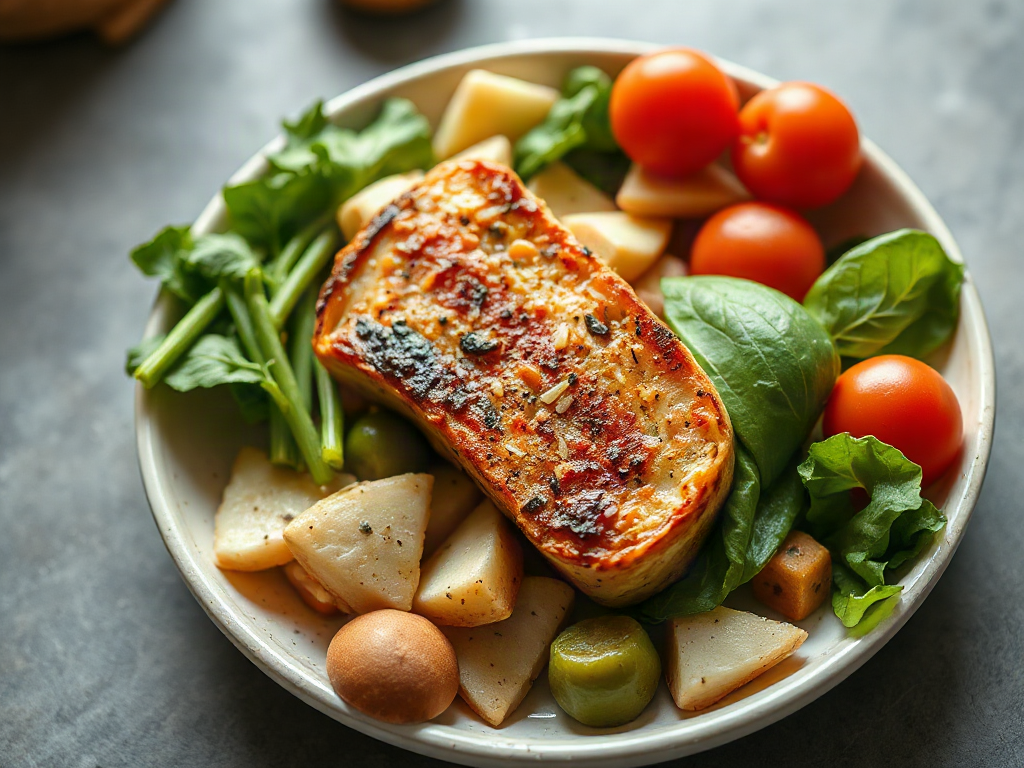
Lean protein foods make balanced everyday meals easier when they are paired with vegetables or fruit, a fiber-rich carbohydrate, and enough unsaturated fat for flavor and satisfaction. Useful choices include fish, skinless poultry, eggs, beans, lentils, tofu, tempeh, low-fat dairy, and lean cuts of unprocessed meat. Choose portions according to appetite, activity, and the rest of the plate rather than treating more protein as automatically better. Rotate animal and plant sources to vary iron, calcium, omega-3 fats, fiber, and other nutrients. Watch sodium and saturated fat in processed meats, breaded products, rich sauces, and heavily seasoned convenience options.
What Makes a Protein Food Lean?
A lean protein food supplies substantial protein without bringing an unusually large amount of saturated fat for the portion eaten. That definition covers naturally lower-fat choices such as white fish, lentils, skinless chicken breast, and low-fat yogurt. It can also include moderately fatty foods in sensible portions when their other nutritional qualities fit the meal. Salmon, for example, contains more total fat than cod, but much of that fat is unsaturated and includes omega-3 fatty acids.
“Lean” does not mean nutritionally complete, fat-free, or automatically healthy in every form. A breaded chicken cutlet may begin with lean meat but acquire considerable oil and sodium during processing or frying. Deli turkey can be low in fat yet heavily salted. A sweetened low-fat yogurt may contain substantial added sugar. The food’s ingredient list, preparation method, and serving size therefore matter alongside its protein-to-fat balance.
Protein contributes amino acids used to maintain and repair body tissues. Including it across meals can also make a plate more satisfying, especially when the meal contains fiber and adequate volume. Protein alone is not a substitute for vegetables, whole grains, fruit, or dietary fat. A plain grilled chicken breast with little else may deliver plenty of protein but miss fiber, varied micronutrients, and enough energy for someone with higher needs.
Use labels as comparison tools rather than pass-or-fail tests. Compare products within the same category and serving size: two cottage cheeses, two canned fish products, or two prepared tofu options. Check protein, saturated fat, sodium, added sugars, and the ingredient list. A few grams of total fat should not disqualify a food when the fat is mainly unsaturated or the item contributes nutrients that are harder to obtain elsewhere.
The strongest approach is to judge the whole eating pattern. Regularly rotating seafood, legumes, soy foods, poultry, eggs, dairy, and occasional lean meat provides a broader nutrient range than relying on one very low-fat product. The purpose of Lean protein foods for balanced everyday meals is not to minimize every gram of fat; it is to choose protein sources that leave room for vegetables, fiber-rich carbohydrates, and fats from foods such as nuts, seeds, avocado, or olive oil.
Reliable Animal and Plant Protein Choices
Both animal and plant foods can fill the protein portion of an everyday meal, but they bring different nutrients and practical constraints. Fish and poultry generally provide concentrated protein in a modest volume. Beans and lentils combine protein with fiber and carbohydrate, so they occupy more than one role on the plate. Tofu and tempeh sit between those patterns: they provide plant protein while remaining easy to use as a main dish.
Useful animal choices include fish, shellfish, skinless chicken or turkey, eggs, plain Greek-style yogurt, cottage cheese, and cuts of pork or beef with limited visible fat. Seafood can contribute nutrients that poultry does not, while dairy foods may add calcium. Eggs contain fat in the yolk but remain a practical whole-food option. Lean red meat may supply iron and vitamin B12, although portion, frequency, and the cut selected affect how it fits the overall diet.
Plant-based options include lentils, chickpeas, black beans, split peas, edamame, tofu, tempeh, and textured soy protein. Beans are particularly useful for stretching a food budget, but canned varieties may need draining and rinsing when sodium is a concern. Tofu absorbs marinades and cooks quickly; tempeh has a firmer texture and stronger flavor. Nuts and seeds contribute some protein, but their fat and calorie density usually make them better as toppings or supporting ingredients than direct replacements for a large serving of fish or legumes.
A realistic weekly rotation might use yogurt at breakfast, lentil soup at lunch, fish for one dinner, tofu for another, and chicken in a tray bake that yields leftovers. This pattern is generally more useful than forcing every meal to use the single leanest option. Variety changes texture and flavor while distributing nutrients across the week.
Convenience deserves consideration because an ideal food that remains uncooked is not useful. Keep two fast choices available, such as no-salt-added canned beans and canned salmon, plus one freezer option such as plain fish fillets, shelled edamame, or unbreaded chicken portions. Pre-cooked lentils and plain rotisserie chicken can save time, although labels and seasoning should be checked for sodium. If plant foods cause digestive discomfort, increase legumes gradually, rinse canned beans, and try smaller servings of lentils or tofu rather than abandoning the category.
No single selection suits every medical or ethical need. People with kidney disease, food allergies, swallowing difficulties, or clinician-directed nutrient restrictions may need individualized advice. For most general meal planning, the better question is not whether animal or plant protein is universally superior, but which option complements the other foods being served and adds useful variety to the week.
How to Build a Balanced Plate
A balanced plate treats protein as one component rather than allowing it to dominate the meal. Begin with a recognizable protein source, add a generous amount of vegetables or fruit, include a fiber-rich carbohydrate, and use a modest amount of unsaturated fat or a flavorful sauce. The exact proportions can shift with hunger, body size, training demands, cultural preferences, and medical guidance.
For lunch, combine lentils with chopped vegetables, cooked whole grains, herbs, and a lemon-tahini dressing. The lentils contribute protein, carbohydrate, and fiber; the grain supplies additional energy; and tahini adds richness. For dinner, pair baked cod with roasted broccoli, potatoes, and olive oil. A breakfast could combine plain yogurt with oats, berries, and walnuts. Each meal works because the supporting foods address needs that the protein source does not cover alone.
Portions are best adjusted by observing the entire meal and the time until the next one. A smaller serving may be enough when beans, whole grains, dairy, or eggs provide additional protein elsewhere on the plate. A larger portion may be useful after demanding exercise or when a meal contains few other protein sources. Persistent hunger soon after eating may signal that the meal is too small overall, low in fiber, short on fat, or lacking carbohydrate—not necessarily that it needs another oversized piece of meat.
A compact plate-building check can keep decisions practical:
- Name the protein: Choose fish, poultry, eggs, dairy, legumes, tofu, tempeh, or a lean cut of meat.
- Add plants with volume: Use cooked or raw vegetables, fruit, or both.
- Include useful energy: Add potatoes, brown rice, oats, corn, whole-grain bread, or another preferred carbohydrate.
- Finish for satisfaction: Use olive oil, avocado, seeds, nuts, or a sauce in an amount that suits the dish.
- Check flavor and texture: Add herbs, spices, acidity, crunch, or heat so the meal is appealing enough to repeat.
Restrictive plate rules often fail because they ignore appetite and context. A highly active person may need more carbohydrate and total food than someone having a quiet day. An older adult with a small appetite may benefit from compact, easy-to-eat choices such as eggs, yogurt, fish, or soft tofu. A person feeding a family may get better value from a mixed dish combining ground turkey with beans than from serving large individual meat portions.
Signs that the structure is working include steady satisfaction between meals, comfortable digestion, enjoyable variety, and portions that fit the household budget. If meals feel dry, monotonous, or incomplete, add an appropriate sauce, vary the cooking method, or swap the supporting foods. The practical goal of Lean protein foods for balanced everyday meals is a repeatable plate, not a rigid formula.

Shopping, Preparation, and Common Mistakes
Buying proteins by intended use reduces waste and makes weeknight meals faster. Select one option that cooks quickly, one that stores well, and one that can be prepared in a larger batch. Eggs, tofu, or thin fish fillets cover quick meals; canned beans and tuna provide shelf-stable backup; and a pot of lentils or a tray of chicken can supply several lunches.
Cost comparisons should account for edible yield and the rest of the meal. Dried beans are inexpensive but require planning and cooking time. Canned beans cost more per serving but reduce labor. Frozen fish may be less wasteful than fresh fish if plans change. A whole chicken may appear economical, yet boneless cuts can be better value for a household that will not use the skin, bones, or dark meat. The best bargain is the food that will actually be cooked and eaten.
Preparation can preserve leanness without producing bland food. Roast, grill, steam, poach, air-fry, or sauté with a measured amount of oil. Build flavor with citrus, vinegar, garlic, ginger, cumin, smoked paprika, fresh herbs, mustard, or yogurt-based sauces. Marinades improve variety, but bottled versions may be salty or sweet. Rich sauces are not forbidden; they simply change the meal’s fat, sodium, and energy profile and may call for a smaller amount.
Several mistakes repeatedly weaken otherwise sensible plans. First, people may equate “high protein” marketing with a minimally processed choice. Bars, shakes, breaded meats, and protein-enhanced snacks can be convenient, but they vary widely in ingredients and do not automatically outperform ordinary food. Second, removing all fat can reduce flavor and satisfaction. Third, relying heavily on processed meats such as bacon, sausage, salami, or many deli products works against the purpose of choosing leaner, less processed sources.
Food safety also shapes preparation. Keep raw poultry, meat, fish, and their juices away from ready-to-eat ingredients, refrigerate perishables promptly, and cook animal proteins to appropriate safe temperatures. Follow official food-safety guidance rather than judging doneness only by color. Leftovers should be cooled and stored safely, then discarded if their storage history is uncertain.
Review the week rather than criticizing one meal. If most meals contain varied whole or minimally processed protein sources, plants, and adequate energy, an occasional richer cut or convenience product can still fit. If the refrigerator repeatedly holds spoiled ingredients, simplify the plan: purchase fewer varieties, use frozen vegetables and proteins, and schedule the most perishable foods early in the week. A workable system for Lean protein foods for balanced everyday meals should reduce daily decisions rather than create another complicated food rule.
Frequently Asked Questions
What are the easiest lean proteins to keep at home?
Eggs, canned beans, lentils, tuna or salmon, plain yogurt, tofu, frozen fish, and unbreaded frozen poultry are versatile options. Keep at least one shelf-stable and one freezer choice for meals when fresh ingredients run out.
Are eggs considered a lean protein?
Eggs contain fat in the yolk, so they are not fat-free, but they can fit a balanced eating pattern. Pairing whole eggs with vegetables and whole-grain toast is usually more useful than judging them by fat content alone.
Can beans replace meat in a meal?
Yes. Beans provide protein, fiber, and carbohydrate, although their nutrient profile differs from meat. Combine them with vegetables, grains, seeds, dairy, eggs, or other foods across the day to create variety.
Is deli meat a good lean protein choice?
Some deli meats are low in fat, but they can be high in sodium and are more processed than freshly cooked poultry or meat. Use labels to compare products and rotate them with fish, eggs, legumes, tofu, or leftovers.
How can I add flavor without making lean protein dry?
Avoid overcooking, and use marinades, citrus, herbs, spices, salsa, yogurt sauces, or a measured amount of olive oil. Moist cooking methods such as poaching and braising also suit proteins that dry out easily.
Further Reading
Authoritative Sources
- MyPlate Protein Foods Group
myplate.govUSDA guidance explains the range of animal and plant foods included in the protein group and encourages variety
- Dietary Guidelines for Americans
dietaryguidelines.govThis federal resource provides broader context for protein choices, saturated fat, sodium, and balanced dietary patterns
- USDA Safe Minimum Internal Temperature Chart
fsis.usda.govThe chart gives official cooking-temperature guidance for meat, poultry, seafood, eggs, and leftovers
- NIH Iron Fact Sheet for Consumers
ods.od.nih.govThis resource explains iron sources and the differences between iron from animal and plant foods
Conclusion
Choose protein by looking beyond a single “lean” label. The most useful options provide enough protein for the meal, suit the budget and schedule, and leave room for vegetables, fiber-rich carbohydrates, and flavorful unsaturated fats. Rotate fish, poultry, eggs, dairy, beans, lentils, tofu, tempeh, and occasional lean meat instead of depending on one food every day. Compare packaged choices for sodium, saturated fat, added sugar, and processing, then use cooking methods that preserve moisture and flavor. For the next week, select three proteins with different storage profiles, assign each to a specific meal, and keep one shelf-stable backup available. Adjust portions by appetite and the full plate rather than assuming that more protein always creates a better meal.
Related Content
- Why Some Superfoods May Not Be Effective for Everyone: Individual Dietary Needs and Biological Differences
- What to Consider When Buying Superfoods Online: Essential Factors and Key Qualities
- How Superfoods Support Women’s Health at Every Age
- Are Powdered Superfoods as Effective as Whole Foods: Key Nutritional Comparisons and Practical Insights
- Steps to Assess the Effectiveness of Superfood Supplements: Key Evaluation Criteria and Practical Methods