
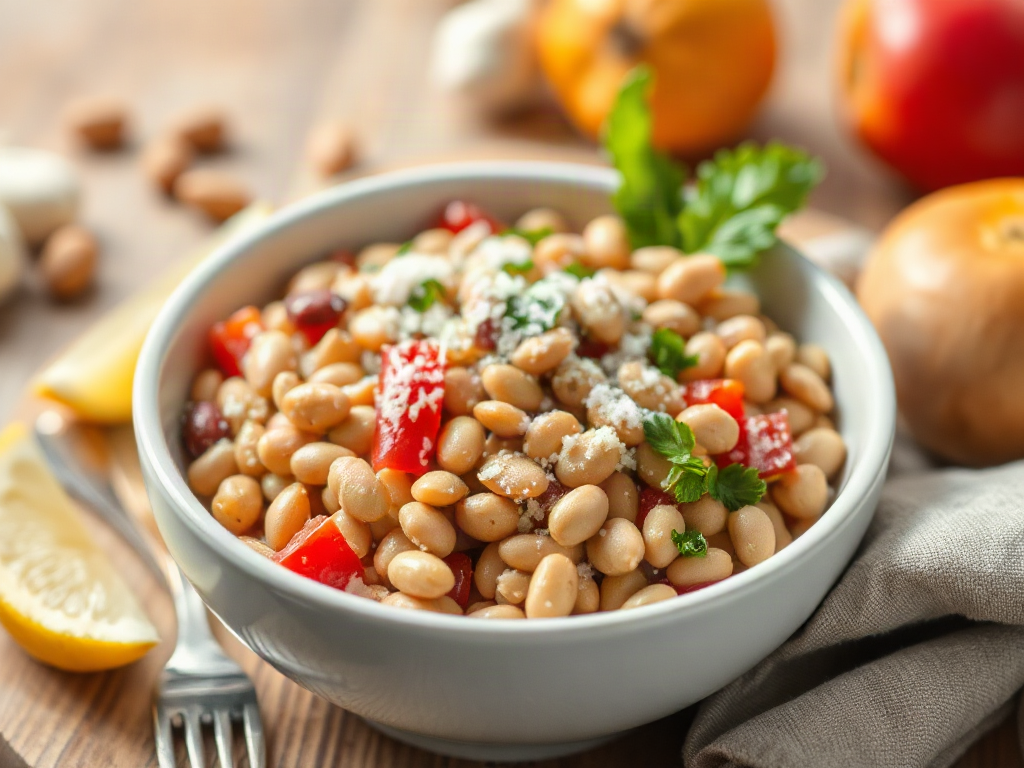
No salt diet food choices and flavor alternatives work best when meals are built around fresh produce, unsalted grains, beans, plain proteins, and layered seasonings such as garlic, citrus, vinegar, herbs, spices, and toasted aromatics. Reading labels matters because packaged foods may contain substantial sodium even when they do not taste very salty, while potassium-rich ingredients may not suit people with certain kidney or heart conditions. Build flavor in stages: sauté onion or garlic, add herbs and spices, brighten the finished dish with acid, and use texture from roasting or grilling. Avoid relying on salt substitutes without medical guidance, since some contain potassium chloride. A gradual reduction usually makes naturally flavored foods taste more satisfying over time.
What a No-Salt Eating Pattern Actually Includes
A no-salt diet is usually built around foods prepared without added table salt, but the exact restriction depends on the medical reason for following it. Some people are told to avoid added salt; others need a medically defined sodium limit that also requires careful control of packaged foods, restaurant meals, sauces, and breads. Sodium occurs naturally in foods, so “no salt” does not always mean literally zero sodium.
The most reliable starting point is a meal pattern centered on minimally processed ingredients: fresh or frozen vegetables without sauce, fruit, unsalted oats, plain rice, quinoa, potatoes, dried beans, unsalted nuts, eggs, plain poultry, fresh fish, and unseasoned meat. Milk and plain yogurt contain natural sodium, while cured meats, cheese, instant noodles, canned soups, boxed mixes, pickles, bouillon, and many frozen entrées can add much more. The distinction between naturally occurring sodium and added sodium matters because a meal made from basic ingredients is easier to measure and season deliberately.
Salt performs more than one culinary job. It can heighten other flavors, reduce bitterness, change texture, and help preserve food. Removing it therefore creates several smaller problems rather than one simple taste problem. A plain boiled vegetable may seem dull because it lacks browning, acidity, aroma, and contrast—not merely because salt is missing. That observation points toward better substitutions: change the cooking method and add several non-salty flavor signals instead of searching for one ingredient that imitates salt.
Medical context also changes the advice. People with kidney disease, heart failure, high blood pressure, or medication-related potassium concerns should ask a clinician or registered dietitian how strict the plan should be. A potassium-based salt substitute may be unsuitable for some individuals, and a diet rich in certain fruits or vegetables may need tailoring. The No salt diet food choices and flavor alternatives that work for one person should not automatically be treated as a therapeutic prescription for another.
Fresh Ingredients That Build Satisfying Meals
Fresh and lightly processed ingredients make sodium control easier because their flavor, texture, and preparation are visible. Vegetables provide sweetness, bitterness, earthiness, and aroma; fruits add acidity and brightness; legumes contribute body and savory depth; and plain proteins provide a neutral base for assertive seasonings. Combining these roles produces a more complete meal than simply removing salty products.
For breakfast, try oats cooked with milk or an unsweetened alternative, cinnamon, berries, and unsalted seeds, or use eggs with sautéed mushrooms, spinach, onion, and black pepper. At lunch, a bowl of brown rice, no-salt-added beans, roasted peppers, cabbage, avocado, and lime offers creamy, crisp, smoky, and acidic contrasts. Dinner might pair baked salmon or tofu with garlic-roasted vegetables and a sauce made from lemon juice, parsley, olive oil, and a small amount of unsalted tahini.
Cooking technique often determines whether these ingredients taste vivid or flat. Roasting drives off water and concentrates sweetness. Grilling adds char. Sautéing onion, garlic, ginger, or scallions in oil releases aromatic compounds before the main ingredients enter the pan. Toasting cumin, coriander, fennel, or sesame briefly can make a simple grain or bean dish taste more developed. Steaming is gentle and useful for delicate vegetables, but steamed food may need more acid, herbs, or texture to feel complete.
Canned foods require a closer comparison. No-salt-added beans and tomatoes can be convenient choices, while ordinary versions may contain added sodium. Rinsing regular canned beans can remove some surface sodium, but it does not guarantee a low-sodium result. Dried beans cooked at home offer more control, though they require soaking or longer cooking. Frozen vegetables without sauces are often as practical as fresh vegetables and may reduce waste, which matters when budget or shopping time limits cooking options.
A common mistake is replacing processed salty foods with large amounts of another concentrated ingredient, such as cheese, bottled dressing, soy sauce, or deli turkey. These products may improve immediate taste while keeping sodium high. A better priority is to build meals from two or three naturally flavorful components, then use a measured condiment only when its contribution is worth the sodium cost.
Flavor Alternatives That Replace Salt’s Role
Acid, aromatics, herbs, spices, heat, browning, and texture are the most useful salt alternatives because each addresses a different part of the eating experience. Lemon, lime, orange, vinegars, and unsalted tomato provide acidity that makes flavors seem sharper. Garlic, ginger, onion, shallot, scallion, and celery contribute aroma. Fresh herbs add lift, while dried herbs and spices supply concentrated character without requiring a salty seasoning blend.
Use acid at the right point rather than adding it automatically at the beginning. Lemon juice stirred into lentils near the end can brighten the dish; vinegar added to a bean salad can balance sweetness and earthiness; lime can keep avocado, cabbage, and roasted corn from tasting heavy. Too much acid can make food harsh, so add a small amount, taste, and adjust with oil, unsalted yogurt, or a naturally sweet ingredient if the dish becomes sharp.
Spice blends deserve label scrutiny. Chili powder, curry powder, smoked paprika, turmeric, black pepper, sumac, cinnamon, rosemary, thyme, and oregano are often useful when purchased without added salt. Blends labeled “seasoning,” “lemon pepper,” or “garlic salt” may contain sodium even when the front label emphasizes herbs or citrus. Making a small jar of salt-free seasoning at home can improve consistency, but it should be stored away from moisture and used according to the dish rather than sprinkled indiscriminately.
Texture can compensate for the absence of salt more than many cooks expect. Crispy roasted chickpeas, toasted unsalted nuts, fresh cucumber, shredded cabbage, and browned edges create contrast that keeps a meal interesting. A creamy element such as plain yogurt, avocado, or an unsalted bean purée can carry herbs and acid across the palate. These additions are alternatives to salt’s sensory impact, not chemical replacements for sodium in preservation or baking.
Try layering flavor in this order: brown an aromatic, add a dry spice briefly, cook the main ingredients, finish with fresh herbs or acid, and add a crunchy topping if the dish needs contrast. For example, a lentil stew can begin with onion, carrot, garlic, cumin, and smoked paprika; finish with lemon and parsley; and be served with toasted pumpkin seeds. The mistake to avoid is adding every strong flavor at once. Excess chili, vinegar, garlic, and smoke can obscure the food and make the meal tiring rather than satisfying.
For more meal-specific ideas, connect these techniques with No salt diet food choices and flavor alternatives when planning soups, grain bowls, vegetable sides, or plain proteins.
Label Reading, Restaurant Meals, and Common Mistakes
Label reading is necessary because taste is a poor measure of sodium. Bread, breakfast cereal, plant-based meat, cottage cheese, sauces, and snack foods may contribute sodium without tasting strongly salty. Compare the sodium amount per serving, check the serving size, and count how many servings the meal will actually contain. A sauce used across four portions may look modest per serving while becoming a meaningful part of the day’s total.
Ingredient lists can reveal less obvious sources, including salt, sodium-containing preservatives, brines, broths, and flavor enhancers. “No salt added” means salt was not added during processing; it does not necessarily mean sodium-free. “Reduced sodium” means less than a regular version, not necessarily a low-sodium choice for a medically restricted plan. Package claims should be checked against the nutrition facts panel rather than accepted as a complete answer.
Restaurant food is difficult because sodium may be present in marinades, cooking water, spice mixes, dressings, cheese, breading, and finishing sauces. A grilled fish entrée can still be salty if it is brined before cooking. Request plain grilled or baked ingredients, ask for sauces and dressings on the side, choose vegetables without seasoned butter, and confirm whether rice, beans, or potatoes are prepared with broth. These requests reduce uncertainty, though restaurants cannot always provide precise amounts.
Several common approaches fail for predictable reasons:
- Using salt substitutes casually: potassium chloride products may interact with medical conditions or medications.
- Buying “healthy” packaged foods without checking: organic, gluten-free, vegetarian, or high-protein labels do not indicate low sodium.
- Removing salt but changing nothing else: boiled, unseasoned meals often become monotonous, encouraging a return to convenience foods.
- Making the diet stricter than prescribed: severe restriction can reduce enjoyment and complicate adequate eating.
The practical test is whether you can identify the sodium source and the flavor source separately. If a meal tastes good only because of bottled sauce, replace part of that sauce with herbs, citrus, garlic, or roasted ingredients before removing it entirely.
A Practical Low-Sodium Meal Plan and Adjustment Strategy
A workable plan begins with repeatable meals, not an ambitious collection of unfamiliar recipes. Choose one breakfast, two lunches, and three dinners that can be varied with different herbs, vegetables, or acids. This reduces decision fatigue and makes it easier to notice which packaged ingredients cause problems. Keep unsalted staples available: oats, rice, potatoes, dried or no-salt-added beans, frozen vegetables, plain yogurt, eggs, and unsalted nuts.
Use a short preparation sequence for each meal. First identify the main ingredient and its natural flavor. Next choose one aromatic base, one spice or herb direction, and one finishing element. In summary add texture if the dish feels one-dimensional. A baked potato, for instance, can become a meal with black beans, plain yogurt, scallions, smoked paprika, lime, and toasted unsalted seeds. The same potato with a large quantity of cheese and bottled dressing may taste immediate but offer less sodium control.
Track the result by observing practical signals rather than expecting instant perfection. A successful approach produces meals you are willing to repeat, fewer cravings for heavily seasoned convenience foods, and clear knowledge of which products fit your plan. An approach is failing when every meal depends on a substitute condiment, shopping becomes impractical, or food intake drops because nothing feels appealing. Those signs call for simpler recipes, more varied textures, or professional dietary support rather than harsher restriction.
Gradual adjustment is often more sustainable than abruptly making every meal bland. Reduce high-sodium sauces first, then increase roasted vegetables, herbs, spices, and acidic finishes. Taste food before seasoning and again after each addition. If a household includes people without the same restriction, cook a shared unsalted base and let others add salt at the table if appropriate. That method preserves social meals while keeping the main dish under better control.
Keep the medical target visible. Sodium needs vary with diagnosis, medications, kidney function, fluid status, and clinician instructions. A registered dietitian can help translate a prescribed limit into grocery choices and portions, especially when potassium, fluid, or protein also needs attention. The goal is not to win a contest for the blandest meal; it is to make a medically appropriate pattern practical enough to follow consistently. The related No salt diet food choices and flavor alternatives should therefore be judged by both sodium control and everyday usability.
Frequently Asked Questions
What foods are naturally low in sodium?
Fresh fruit, most fresh vegetables, plain oats, rice, potatoes, dried beans, unsalted nuts, eggs, and unseasoned fresh proteins are commonly low in sodium. Check packaged versions because processing can change the amount.
How can food taste good without salt?
Use browning, garlic, onion, ginger, herbs, spices, citrus, vinegar, chili, and crunchy toppings. Layering several modest flavors usually works better than relying on one salty substitute.
Are salt substitutes safe for everyone?
No. Some contain potassium chloride, which may be unsuitable with kidney disease or certain medications. Ask a clinician before using them regularly.
Does rinsing canned beans remove all the sodium?
No. Rinsing may reduce some sodium on the surface, but it does not make ordinary canned beans equivalent to no-salt-added or dried beans.
What should I order at a restaurant on a no-salt diet?
Request plain grilled or baked foods, unsauced vegetables, and dressings on the side. Ask whether ingredients were brined or cooked with broth, since visible salt is not the only source.
Conclusion
Successful no-salt eating depends on replacing lost flavor functions, not merely removing the shaker. Build meals from fresh or plainly processed ingredients, use roasting or sautéing for depth, and finish with citrus, vinegar, herbs, spices, or texture. Label checks remain necessary because bread, sauces, canned foods, restaurant dishes, and health-positioned products can carry unexpected sodium. Treat potassium-based substitutes as medical products rather than automatic kitchen solutions. A small rotation of dependable breakfasts, grain-and-bean lunches, and boldly seasoned vegetable-and-protein dinners makes the pattern easier to sustain. Match the strictness of the plan to the guidance you received, particularly if kidney, heart, or medication concerns affect sodium or potassium. The next useful step is to revise one familiar meal using an aromatic base, a spice, an acidic finish, and a verified low-sodium staple.
Related Content
- What Is Whole Food Nutrition And Why Is It Important?
- Steps to Take When Trying a New Superfood: Essential Methods for Safe Incorporation
- Superfoods for Gut Health: The Ultimate Guide to a Healthy Digestive System
- Recognizing Nutrient Imbalances in Whole Food Diets: Common Signs and Remedies
- How To Evaluate The Nutritional Value Of Superfoods With A Practical Food Label Checklist