
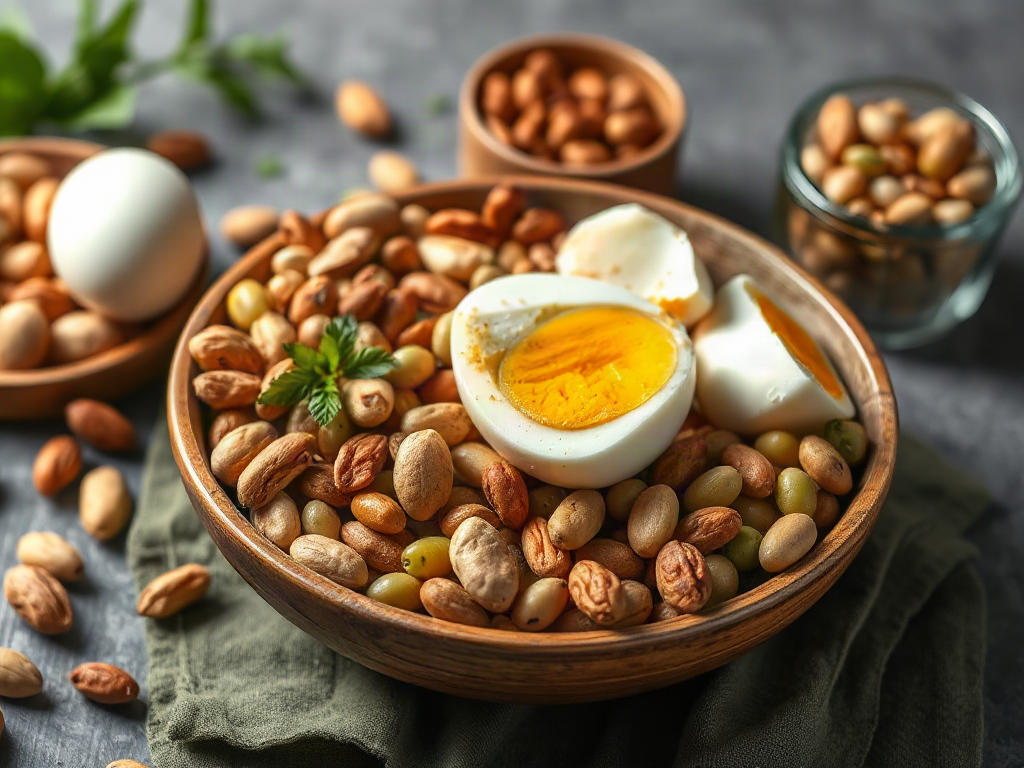
Omega 6 foods and dietary balance depend less on eliminating seed oils than on choosing varied whole-food sources, including nuts, seeds, legumes, eggs, and poultry, while limiting heavily processed foods that supply concentrated refined oils. Omega 6 fatty acids are essential fats used in cell membranes and signaling, but the overall pattern matters because excess calorie-dense processed foods can crowd out omega 3 sources such as salmon, sardines, walnuts, and flaxseed. Build meals around minimally processed ingredients, compare cooking oils by use, and add an omega 3 food regularly rather than chasing a precise ratio. People taking medication or managing a medical condition should discuss major dietary changes with a qualified clinician.
What Omega 6 Fats Do in the Diet
Omega 6 fatty acids are polyunsaturated fats, and linoleic acid is the main omega 6 fat found in ordinary meals. The body cannot make linoleic acid, so it must come from food. It contributes to cell membranes and can be converted into other fatty acids involved in signaling and immune function. Those roles do not make every food rich in omega 6 equally useful; the food around the fat still determines the meal’s fiber, protein, minerals, and degree of processing.
Dietary balance is often reduced to an omega 6-to-omega 3 ratio, but that number can distract from more useful decisions. A person eating fried snacks, packaged pastries, and large portions of refined-oil sauces may have a less favorable overall pattern than someone eating a serving of sunflower seeds with vegetables and beans, even though both diets contain omega 6. The first pattern brings more refined starch, sodium, and calories; the second brings a nutrient-dense food matrix.
Omega 6 fats are not automatically inflammatory foods. Human nutrition research does not support treating ordinary linoleic acid foods as universally harmful, and replacing unsaturated fats with saturated fats would not necessarily improve a diet. The practical question is whether omega 6-rich choices are displacing omega 3 foods, produce, legumes, or other minimally processed ingredients.
For a useful starting point, assess the whole eating pattern rather than removing one ingredient. Review how often meals include nuts, seeds, legumes, fish, vegetables, and whole grains, then look at the major sources of refined oils. The Omega 6 foods and dietary balance question is best handled through proportion, variety, and food quality.
Common Omega 6 Foods and Their Food-Quality Context
The richest everyday sources include soybean, corn, sunflower, safflower, and sesame oils, along with foods made from them. Whole or minimally processed sources include sunflower seeds, pumpkin seeds, sesame seeds, tahini, walnuts, peanuts, peanut butter, tofu, soybeans, and other legumes. Eggs and poultry contain smaller amounts that vary with the animal’s feed and the rest of the meal.
Food form changes the decision. A spoonful of tahini in a bean-and-vegetable dressing supplies fat alongside protein and minerals; the same oil family used repeatedly in fried fast food arrives with a very different calorie and processing context. Peanut butter made primarily from peanuts can fit a balanced pattern, while a sweetened spread with added oils may be easier to overeat and less useful as a staple.
Reading labels helps identify concentrated sources without turning the process into an ingredient hunt. Check the serving size, total fat, saturated fat, added sugar, sodium, and whether the product is a whole food or a refined snack. “Omega 6” does not appear on every nutrition label, so the ingredient list and food category often provide more practical information than trying to calculate every gram.
A useful comparison is seeds versus seed-based snack foods. Seeds eaten with fruit or yogurt add texture and nutrients to a meal. A packaged bar containing seed oils, syrups, and refined flour may still be convenient, but it should not be treated as nutritionally interchangeable. Portion size matters because nuts, seeds, and oils are energy-dense even when their fat profile is favorable.
- Whole-food sources: nuts, seeds, legumes, soy foods, and nut or seed pastes.
- Cooking sources: oils used for sautéing, roasting, dressings, and baking.
- Indirect sources: packaged foods, restaurant frying oils, sauces, crackers, and pastries.
Prioritize the first group more often, use the second deliberately, and reduce reliance on the third. That approach preserves essential fats while making room for fiber-rich and omega 3-containing foods.
How to Build a Better Omega 6 and Omega 3 Pattern
Improving balance usually means adding omega 3 foods and upgrading the surrounding meals, not attempting to purge omega 6. Fatty fish such as salmon, sardines, trout, and mackerel provide EPA and DHA, while walnuts, chia seeds, flaxseed, and some plant oils provide ALA. The body handles these forms differently, so plant and marine sources are not exact substitutes, but both can contribute to dietary variety.
A simple meal pattern is a grain or starchy vegetable, a protein source, at least one vegetable, and a measured fat source. For example, lentil bowls with greens, roasted vegetables, tahini, and ground flaxseed offer legumes, fiber, and both omega 6 and plant omega 3 fats. A salmon meal with potatoes, broccoli, and a small amount of vinaigrette adds marine omega 3 without requiring a supplement.
Do not assume that a mathematically low ratio is automatically healthier. Ratios can change because one fat rises or the other falls, and they do not capture total calories, saturated fat, fiber, or food processing. A more useful weekly checklist is:
- Include a fish source that suits your preferences and dietary needs, or use plant omega 3 foods regularly.
- Use nuts, seeds, beans, and soy foods as nutrient-dense additions rather than grazing continuously on them.
- Measure oils for dressings and cooking when calories are a concern.
- Replace some packaged snack foods with fruit, vegetables, beans, or unsalted nuts.
People who do not eat fish can combine flaxseed, chia, walnuts, and fortified foods, although this does not provide the same EPA and DHA exposure as fish. Algal oil may be an option for some individuals, but supplement quality, dose, medication interactions, pregnancy, and medical conditions warrant professional advice. Food-first planning is generally easier to evaluate because the entire meal remains visible.
Cooking Oils, Portions, and Common Mistakes
Cooking oil should be selected for the cooking task, flavor, storage, and the rest of the diet—not judged solely by its omega 6 content. Soybean, corn, sunflower, and safflower oils are common linoleic acid sources, while olive and canola oils offer different fatty-acid profiles and culinary uses. An oil is not made healthier by heating it indefinitely, and no oil should be reused repeatedly after it has developed off odors, darkening, or visible degradation.
For everyday cooking, use enough oil to prevent sticking and carry flavor, then add richness from foods such as avocado, nuts, seeds, or yogurt-based sauces when appropriate. A roasted vegetable dish may need only a light coating, whereas a salad dressing can use a measured tablespoon shared across several portions. Pouring directly from a large bottle makes calorie intake difficult to judge and can turn a modest recipe into a much heavier meal.
Several assumptions commonly derail sensible choices. Avoiding all seed oils may lead someone to use more butter or coconut oil, increasing saturated fat without improving meal quality. Buying “high omega 3” products does not compensate for a diet dominated by ultra-processed foods. Taking an omega 3 supplement while continuing to eat little fish, produce, or legumes may address only one narrow part of the pattern.

Storage also affects quality. Keep oils sealed, away from heat and direct light, and buy a size that will be used while fresh. Nuts and seeds benefit from cool, dry storage; refrigeration can help preserve quality for longer storage. If an oil smells stale or paint-like, discard it rather than trying to mask the flavor with stronger ingredients.
For an individualized comparison of oils and meal composition, use the dietary balance framework alongside guidance from a registered dietitian, especially when a clinician has prescribed a therapeutic eating pattern.
A Practical Weekly Decision Plan
A weekly review is more informative than judging one meal. Write down the main fat sources for several ordinary days: cooking oils, dressings, nuts, seeds, fried foods, restaurant meals, and packaged snacks. Then mark the meals containing fish or plant omega 3 foods. This reveals whether the issue is a particular oil, oversized portions, frequent convenience foods, or simply a lack of variety.
Change one high-impact feature at a time. If fried snacks appear daily, replace a few servings with fruit and unsalted nuts or a bean-based snack. If vegetables are routinely plain and meals rely on heavy sauces, use a measured oil dressing, herbs, citrus, or tahini. If fish is absent, add a suitable seafood meal or plan plant omega 3 ingredients into breakfast and lunch. A gradual change is easier to maintain than a restrictive list of forbidden foods.
Signs that the approach is working include more varied meals, consistent inclusion of omega 3 sources, better portion awareness, and fewer meals built around packaged foods. Signs that it is failing include fear of ordinary ingredients, replacing oils with larger amounts of butter, skipping nutritious foods because they contain fat, or spending heavily on supplements without changing the meal pattern.
Budget and preference belong in the decision. Canned sardines, frozen fish, ground flaxseed, beans, peanuts, and seasonal vegetables can make a balanced pattern less expensive. Someone with an allergy, vegetarian diet, limited cooking equipment, or an aversion to fish needs substitutions rather than a rigid template. The goal is a sustainable pattern that supplies essential fats while leaving room for protein, produce, whole grains, and enjoyment.
Frequently Asked Questions
Are omega 6 foods unhealthy?
No. Nuts, seeds, legumes, and vegetable oils can fit a nutritious diet. The larger concern is a heavily processed eating pattern that supplies excessive calories and too few omega 3 foods.
Which foods are highest in omega 6?
Common concentrated sources include soybean, corn, sunflower, and safflower oils. Sunflower seeds, sesame, tahini, peanuts, walnuts, soy foods, and some packaged foods also contribute.
Should I avoid seed oils?
Most people do not need to avoid them completely. Use reasonable portions, vary fat sources, and focus first on reducing fried and highly processed foods if those dominate the diet.
How can I add more omega 3 while eating omega 6 foods?
Add fish such as salmon or sardines when suitable, or use ground flaxseed, chia seeds, walnuts, and fortified foods. These sources provide different omega 3 fats, so variety is useful.
Do I need to calculate my omega 6-to-omega 3 ratio?
Usually not. Tracking food quality, portions, overall fat sources, and regular omega 3 choices is more practical than pursuing a precise ratio that may not reflect the whole diet.
Conclusion
A sensible approach to omega 6 foods starts with context. Whole-food sources such as seeds, nuts, beans, soy, and nut or seed pastes bring useful nutrients, while refined oils in fried and packaged foods are easier to overconsume. Keep portions realistic, store oils properly, and add regular omega 3 choices from fish, flaxseed, chia, walnuts, or fortified foods rather than treating one fatty acid as the sole measure of diet quality.
Review several typical days, identify the most concentrated processed sources, and make one substitution that fits your budget and preferences. People managing cardiovascular disease, taking anticoagulants, using supplements, or following a medically prescribed diet should obtain individualized advice before making major changes. Balance is best judged by the complete eating pattern and its sustainability, not by eliminating a single category of fat.
Related Content
- Issues With Integrating Whole Foods Into a Busy Lifestyle: Practical Solutions and Common Mistakes
- The Role of Whole Foods in Managing Chronic Conditions: Effective Dietary Choices and Their Impact
- What Are Common Mistakes People Make With Whole Food Nutrition?
- How Superfoods Support Women’s Health at Every Age
- How Does Superfood Nutrition Compare To Regular Dietary Choices?