
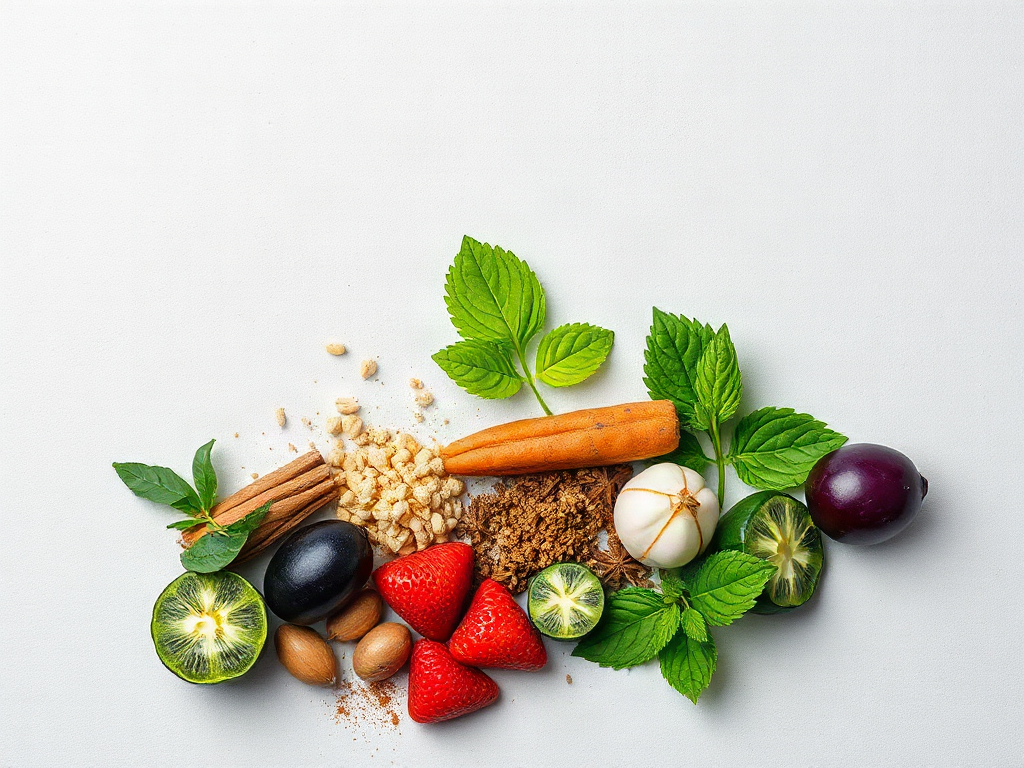
Polyphenol foods rank differently by variety and concentration: herbs, spices, cocoa, berries, olives, coffee, tea, legumes, and nuts are leading choices, but no single food dominates every polyphenol class. Cloves and cocoa can be highly concentrated by weight, while berries and olives provide broader whole-food portions containing anthocyanins, flavanols, phenolic acids, or related compounds. Coffee and tea often contribute substantially because people consume them regularly, despite their lower concentration per serving than dried spices. The most practical approach is to combine several plant colors and categories, compare realistic portions rather than equal weights, and avoid treating laboratory totals as guaranteed amounts absorbed by the body.
How Are Polyphenol Foods Ranked Accurately?
A useful polyphenol ranking must separate concentration, compound diversity, and realistic intake. Concentration describes how much is measured in a fixed weight or volume. Diversity refers to the number and range of compounds present, including flavonoids, phenolic acids, stilbenes, lignans, and other phenolic substances. Neither measure alone establishes how much a person consumes or absorbs.
Dry herbs and spices illustrate the problem. Cloves may appear near the top of concentration tables because drying removes water and leaves plant compounds in a compact form. A person might use only a fraction of a teaspoon, however, while eating a full bowl of berries or drinking a mug of coffee. Rankings based on 100 grams therefore compare chemically equal weights but behaviorally unequal portions.
Laboratory method adds another layer. Published databases may report total polyphenols, individual identified compounds, or values produced by different analytical techniques. A broad total assay can react with substances beyond the specific polyphenols researchers intend to measure. A database that adds individually identified compounds may miss compounds that were not tested. Values from two methods should not be merged as if they were interchangeable.
| Ranking Lens | What It Shows | Main Limitation | Best Use |
|---|---|---|---|
| Per 100 grams | Relative concentration by food weight | Can exaggerate the importance of spices and dried foods | Comparing similar products |
| Per serving | Likely amount eaten at one time | Serving sizes vary between people | Meal planning |
| Compound count | Chemical variety identified in a food | Depends on what researchers measured | Choosing complementary food groups |
| Habitual intake | Contribution from frequency and portion | Requires an individual diet record | Assessing personal food patterns |
Processing, cultivar, ripeness, storage, and preparation can change results further. Extra-virgin olive oil generally retains more olive phenolics than more extensively refined oil. Cocoa powder, dark chocolate, and milk chocolate are not equivalent because cocoa percentage and processing differ. Tea strength changes with leaf quantity, water temperature, and steeping time.
The common mistake is reading a single numerical list as a permanent league table. A sound comparison first keeps the measurement basis consistent, then checks the portion actually consumed and the food’s place in the diet. Exact numbers are less portable than broad tiers because agricultural and analytical variation can be substantial.
Which Foods Have the Highest Polyphenol Concentrations?
Concentrated sources are commonly found among dried spices, cocoa products, dark-colored berries, certain olives and olive oils, coffee, tea, nuts, and some legumes. Their order changes with the database and unit used, so a tiered ranking is more defensible than assigning precise universal positions.
| Practical Tier | Representative Foods | Concentration Context | Portion Reality |
|---|---|---|---|
| Very concentrated | Cloves, dried peppermint, star anise, cocoa powder | Low water content concentrates plant material | Usually consumed in small amounts |
| High whole-food sources | Blackberries, blueberries, blackcurrants, cherries, dark olives | Colorful skins and tissues contain several phenolic groups | Practical snack or meal portions |
| Frequent beverage contributors | Coffee, black tea, green tea | Water extracts soluble compounds from roasted beans or leaves | Repeated cups can outweigh a rare concentrated food |
| Moderate, meal-friendly sources | Beans, lentils, walnuts, hazelnuts, apples, red onions | Lower rankings may be offset by regular use | Easy to incorporate into meals |
Spices earn their place through density rather than volume. Adding cloves to oatmeal or cinnamon and cocoa to plain yogurt can widen a meal’s phenolic profile, but a pinch does not automatically provide more than a substantial serving of fruit. Large spice doses are unnecessary and may make food unpalatable. Culinary quantities are the sensible comparison.
Cocoa also needs product-level interpretation. Unsweetened cocoa powder supplies more cocoa solids per spoonful than many chocolate bars. A dark-chocolate label indicates cocoa content, not a guaranteed polyphenol value, and the product can still contain considerable sugar and energy. Cocoa powder may suit oatmeal or yogurt when concentration is the priority; a modest portion of chocolate may be preferable when enjoyment and sustainability matter more.
Berries combine meaningful concentration with realistic portions. Dark pigmentation often signals anthocyanins, although color alone cannot quantify content. Frozen berries remain useful because freezing makes them available outside the fresh season, while sweetened berry drinks or spreads may contain less intact fruit and more added sugar per serving.
Coffee and tea demonstrate why frequency matters. Their brewed concentration is diluted by water, yet daily consumption can make them major dietary contributors. That does not justify increasing caffeine indiscriminately. People who limit caffeine, experience sleep disruption, are pregnant, or have relevant medical advice can choose decaffeinated coffee, herbal options with characterized ingredients, or additional whole-food sources. Concentration rankings should guide substitutions, not override tolerance or clinical needs.
Which Foods Provide the Greatest Polyphenol Variety?
Polyphenol variety comes from combining botanical families, colors, and edible plant parts rather than searching for one champion food. Different plants emphasize different compounds: berries are associated with anthocyanins and other flavonoids, tea and cocoa with flavanols, coffee with phenolic acids, onions with flavonols, flaxseed with lignans, and grapes or peanuts with small amounts of stilbenes.
A varied plate is more dependable than relying on labels such as “superfood.” An apple contributes a different profile from a blueberry, and a lentil contributes something different again. Even within a category, varieties differ. Red and yellow onions do not have identical profiles, nor do green and black olives. Growing conditions, maturity, and storage prevent the compound mix from being perfectly predictable.
Color is a practical shopping cue, but it is incomplete. White or tan foods such as coffee, nuts, whole grains, and some legumes can provide notable phenolics despite lacking vivid pigments. Conversely, a brightly colored product may derive its color from an additive or contain only a small amount of the named fruit. The ingredient list and proportion of intact plant food are more informative than front-label imagery.
A useful diversity pattern includes several distinct sources across the day:
- Fruit: berries, cherries, plums, apples, citrus, or grapes.
- Vegetables and aromatics: red onion, leafy greens, artichoke, herbs, or purple cabbage.
- Legumes and grains: black beans, lentils, oats, or other minimally refined grains.
- Nuts and seeds: walnuts, hazelnuts, pecans, or ground flaxseed.
- Flavor and drinks: cocoa, culinary spices, coffee, or unsweetened tea where suitable.
Consider two breakfasts. One contains a large serving of a single berry, while the other combines oats, apple, walnuts, cinnamon, and a spoonful of berries. The berry-only meal may score highly for one compound family, but the mixed breakfast covers more plant categories and also offers different fibers, fats, and micronutrients. Polyphenol diversity is only one dimension of nutritional value, so the broader meal context still matters.
The main failure mode is rotating among products that are botanically similar while assuming brand variety equals chemical variety. Three berry powders do not necessarily offer the range provided by berries, beans, onions, nuts, and tea. Prioritize distinct whole-plant categories before buying extracts or specialty blends.
How to Build a Practical Polyphenol Rotation
A sustainable rotation pairs one concentrated accent with several ordinary plant foods rather than chasing the highest-ranked item at every meal. This keeps cost, availability, caffeine, sugar, and serving size under control while broadening the range of compounds consumed.
Start by reviewing what you already eat over three typical days. Mark each distinct fruit, vegetable, legume, whole grain, nut, seed, herb, spice, cocoa product, coffee, or tea. Repeated foods still count nutritionally, but they count once when assessing variety. A pattern dominated by coffee and chocolate may be concentrated yet narrow; a pattern containing beans, apples, onions, herbs, walnuts, and tea is broader even if none leads a laboratory chart.
- Keep reliable staples. Retain affordable foods eaten consistently, such as oats, beans, apples, frozen berries, or onions.
- Add one contrasting category. Pair fruit with nuts, legumes with herbs, or whole grains with cocoa and seeds.
- Use concentrated foods as accents. Add spices, cocoa, olives, or tea without treating them as substitutes for vegetables and fruit.
- Rotate weekly rather than daily. Change the berry, bean, nut, herb, or leafy vegetable when shopping.
- Check the full product. Compare added sugar, sodium, caffeine, processing, and portion size alongside polyphenol potential.
Budget constraints favor ordinary foods. Dried beans, lentils, red onions, apples, oats, herbs, tea, and frozen berries can create substantial variety without premium powders. Frozen produce is especially practical when fresh berries are expensive or spoil quickly. Canned beans also work; rinsing may reduce surface sodium when that is a concern. Dark olives add phenolics and flavor, although sodium can matter for people following a restricted plan.
Preparation involves tradeoffs rather than a universal “raw is best” rule. Peeling can remove phenolic-rich skins from apples or eggplant, but cooking may make a food more enjoyable and easier to eat regularly. Boiling may move water-soluble compounds into cooking liquid; soups and stews retain that liquid, whereas draining discards it. Brewing extracts compounds from tea and coffee, while excessive reliance on sweetened versions changes the nutritional package.
Signs that the approach is working are practical: the weekly food list includes multiple plant families, meals remain enjoyable, purchases are used before spoiling, and concentrated products complement rather than displace basic foods. A failing plan feels expensive, depends on powders or large spice doses, raises caffeine intake beyond personal tolerance, or narrows meals around a supposed top-ranked ingredient. People managing food allergies, digestive conditions, medication interactions, kidney restrictions, or other clinical dietary needs should adapt the rotation with an appropriate healthcare professional rather than adding foods solely for their polyphenol ranking.
Conclusion
Polyphenol rankings are most useful when they inform food choices without pretending that a laboratory value predicts the entire nutritional effect. Compare foods on the same measurement basis, then adjust for the portion, frequency, processing, and preparation method that apply in daily life. Dried spices and cocoa offer density; berries, olives, legumes, nuts, onions, fruit, coffee, and tea make concentration easier to translate into regular intake.
For the next grocery cycle, keep several affordable staples and rotate one fruit, one legume, one nut or seed, and one herb or vegetable into the pattern. Use highly concentrated ingredients as flavorful additions rather than nutritional shortcuts. A broad, repeatable selection of minimally processed plants is a more defensible priority than pursuing an unstable numerical winner.
Frequently Asked Questions
What food has the most polyphenols?
Cloves and certain dried herbs often rank extremely high by weight, but their serving sizes are tiny. Cocoa, berries, olives, coffee, and tea may make more meaningful contributions in realistic portions or through frequent consumption.
Are berries better than coffee for polyphenols?
They serve different roles. Berries provide anthocyanins, fiber, and an intact whole-food matrix, while coffee is rich in phenolic acids and can contribute through regular intake. Using both, if tolerated, provides more variety than choosing one exclusively.
Does cooking destroy polyphenols?
Cooking can reduce, transform, release, or transfer polyphenols depending on the food and method. Boiling may move compounds into water, while soups retain that liquid. Preparation should also be judged by whether it makes nutritious plant foods easier to eat consistently.
Is dark chocolate a reliable high-polyphenol food?
Dark chocolate contains cocoa-derived polyphenols, but amounts vary with cocoa content and processing. It can also be energy-dense and sweetened. Unsweetened cocoa powder often provides more cocoa solids for applications such as oatmeal or yogurt.
Are polyphenol supplements equivalent to whole foods?
No. Supplements may isolate selected compounds and do not reproduce the fiber, nutrients, food matrix, or chemical range of intact plants. Concentrated products may also create dose or interaction concerns, so they should not automatically replace varied foods.