
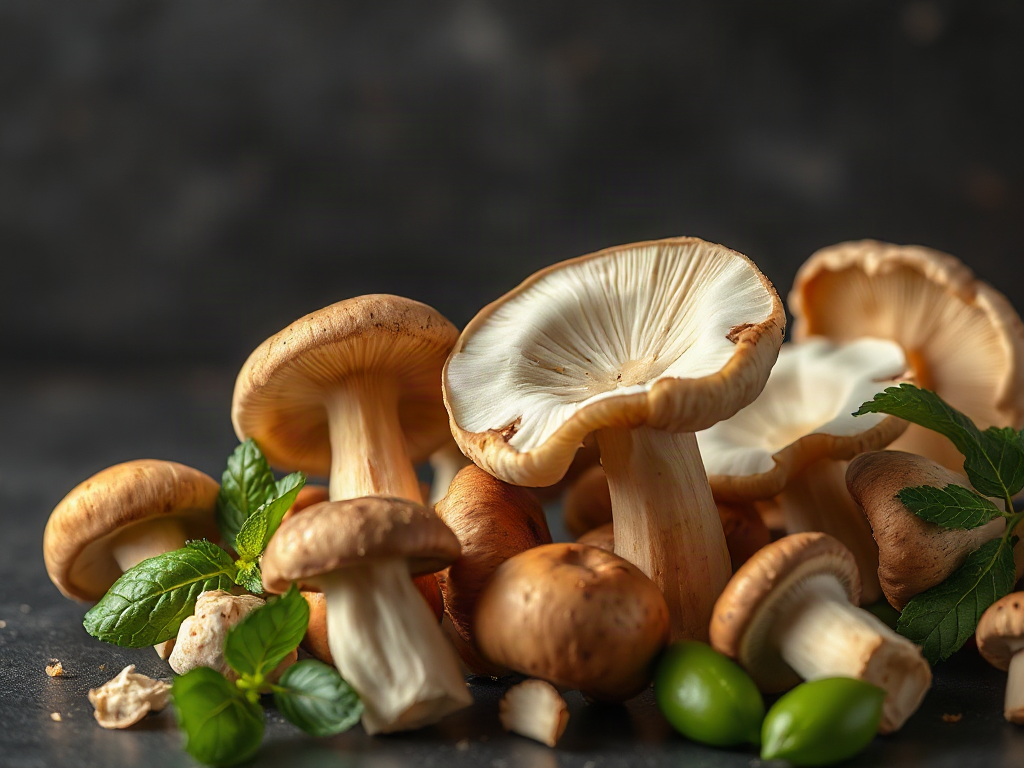
Mushroom nutrition across fresh and cooked servings changes mainly because cooking removes water, concentrates nutrients by weight, and can reduce some heat-sensitive compounds. Fresh mushrooms are low in energy and provide B vitamins, potassium, copper, selenium, fiber, and the antioxidant ergothioneine, although amounts vary by species and growing conditions. A cooked cup may appear nutritionally richer than a raw cup because softened mushrooms pack more densely into the measure. For a fair comparison, use the same mushroom variety and compare equal starting weights or dry-weight values rather than relying only on cups.
How Does Cooking Change Mushroom Nutrients?
Heat changes mushrooms through water loss, tissue softening, and chemical reactions rather than turning them into an entirely different food. Raw mushrooms contain a large proportion of water. As they cook, their cells collapse and release moisture, leaving a smaller, denser portion. That shrinkage explains why a cup of cooked mushrooms can contain more calories, protein, minerals, and other nutrients than a cup of sliced raw mushrooms: considerably more mushroom tissue fits into the cooked cup.
Water-soluble nutrients can move into cooking liquid. B vitamins and potassium are among the nutrients that may leach from mushrooms during boiling or simmering. The nutrients have not necessarily disappeared; some remain in the broth or sauce. A mushroom soup that retains its cooking liquid therefore differs from boiled mushrooms that are drained. Heat exposure may also reduce portions of certain heat-sensitive compounds, but the amount depends on temperature, cooking time, mushroom variety, and how finely the mushrooms were cut.
Cooking has useful effects that a basic nutrient table cannot fully capture. It softens fungal cell walls, improves texture, reduces volume, and makes a larger quantity practical to eat. It also develops savory flavor, which can help mushrooms replace part of the meat in a sauce, filling, or burger mixture. That substitution changes the nutrition of the whole meal even if a few mushroom nutrients decline during heating.
A common mistake is interpreting a higher value per 100 grams of cooked mushrooms as proof that cooking created nutrients. Sometimes the increase reflects moisture loss. Conversely, a lower value does not always mean destruction; liquid loss, laboratory variation, and differences between sampled mushrooms may contribute. Nutrient databases may list raw and cooked entries produced from different samples, so their numbers are not always a controlled before-and-after experiment.
The practical priority is to eat the mushrooms and account for the cooking medium. Sautéing a pan with a modest amount of oil creates a different meal from frying breaded mushrooms or finishing them with several tablespoons of butter. For routine meals, cook until the texture is pleasant, retain flavorful liquid when possible, and treat added fat and sodium as separate variables rather than properties of the mushrooms themselves.
How Should Raw and Cooked Servings Be Compared?
A valid comparison starts with a consistent basis of measurement. Cups are convenient in a kitchen, but they are weak tools for comparing raw and cooked nutrition because mushroom volume changes sharply with heat. Slices also settle differently according to thickness and packing. Weight provides a more dependable reference, although even equal finished weights can be misleading when one portion contains much less water.
The best home comparison is to weigh one raw batch, cook all of it, and consider the cooked result to be the same batch. If 200 grams of raw mushrooms shrink into one small bowl, that bowl still represents the original 200 grams, apart from compounds lost in liquid, steam, or pan residue. Dividing the finished batch into two equal portions gives a more meaningful estimate than comparing one raw cup with one cooked cup.
| Comparison method | What it shows | Main limitation |
|---|---|---|
| One cup raw versus one cup cooked | Nutrition in the portion placed on the plate | Cooked mushrooms pack more densely |
| Equal finished weights | Nutrients per fixed food weight | Water content may still differ |
| Same raw batch before and after cooking | How preparation changes a known quantity | Requires weighing and tracking liquids |
| Dry-weight comparison | Nutrients relative to mushroom solids | Less practical for everyday meal planning |
Label and database entries need similar scrutiny. Check whether the record describes raw, grilled, microwaved, canned, drained, or cooked-from-fresh mushrooms. Confirm the species and serving weight rather than matching only the word “mushrooms.” Canned mushrooms may include added sodium, while mushrooms cooked in oil may have a higher energy value because the database entry includes absorbed fat.
For calorie or nutrient tracking, weigh the portion in the form actually eaten and choose the closest preparation entry. For recipe analysis, enter the raw ingredient amounts plus oil, stock, cheese, or salt separately. Either approach can work, but switching between raw weights and cooked database entries creates avoidable errors.
Signs that a comparison is failing include implausibly large nutrient changes, a cooked serving listed at several times the calories of an oil-free raw batch, or mismatched serving weights hidden behind identical cup measures. Before concluding that cooking caused the difference, check water loss, added ingredients, drainage, and the database description.
Which Nutrients Vary by Mushroom Type?
Mushroom species, cultivation, maturity, and light exposure can matter as much as cooking. White button, cremini, and portobello mushrooms are different maturity stages of the same commonly cultivated species, yet their flavor, moisture, and listed nutrient values may differ. Shiitake, oyster, maitake, and enoki mushrooms have distinct compositions and should not be treated as nutritionally interchangeable merely because they share a produce aisle.
Most fresh culinary mushrooms provide modest amounts of protein and fiber along with several micronutrients. Riboflavin, niacin, pantothenic acid, copper, potassium, and selenium commonly appear in nutrient profiles, but no single mushroom reliably leads in every category. Mushrooms also contain ergothioneine and other bioactive compounds. Their presence is nutritionally interesting, but a food’s laboratory compound content should not be translated into a promise to prevent or treat disease.
Vitamin D requires special attention. Mushrooms can produce vitamin D2 after exposure to ultraviolet light, whether that exposure occurs during cultivation or controlled post-harvest treatment. Ordinary indoor-grown mushrooms may contain little unless they were UV-treated. The front label or nutrition panel is more useful than assumptions based on species alone. Cooking does not make a non-exposed mushroom into a dependable vitamin D source.
A practical shopping approach is to match variety with the meal first, then verify a specific nutrient claim when it matters. Cremini or white mushrooms work well in omelets and sauces; shiitake brings a stronger flavor to broths and stir-fries; oyster mushrooms suit quick high-heat cooking. Rotating varieties can broaden culinary use, but there is no need to buy an expensive specialty mushroom solely because it is described as a superfood.
Whole mushrooms also differ from powders and extracts. A dried mushroom powder is concentrated because most water has been removed, so a gram-for-gram comparison with fresh mushrooms is not meaningful. Extract products may isolate selected compounds and omit much of the whole food. Their labels, serving sizes, and evidence need separate evaluation; they should not be used to describe the nutrition of a serving of fresh cooked mushrooms.

The most useful checks at purchase are straightforward: identify the species, look for UV-exposure language if vitamin D is the goal, inspect added sodium on canned products, and compare products by serving weight. These details are more informative than broad claims about all mushrooms sharing the same nutrient profile.
Which Cooking Method Best Fits Your Nutrition Goals?
The best cooking method balances nutrient retention with taste, food quantity, and the rest of the recipe. Shorter methods that use little water, such as microwaving, roasting, or a quick sauté, limit the opportunity for water-soluble nutrients to move into discarded liquid. Simmering remains a sensible choice when the broth becomes part of the dish. No method preserves every compound perfectly, and maximizing one nutrient is rarely worth producing mushrooms that go uneaten.
For a quick sauté, begin with a wide pan so released moisture can evaporate rather than pool. Cook the mushrooms until softened and browned, then add delicate aromatics near the end if needed. Measure the oil instead of pouring freely when energy intake matters. Mushrooms absorb and carry sauces well, which is valuable for flavor but can conceal substantial amounts of butter, cream, or salty seasoning.
Roasting is useful for a large batch and concentrates flavor through moisture loss. The finished mushrooms look smaller, so portion expectations should be based on the starting amount. Grilling creates a firm texture for portobello caps, but sugary marinades can burn and salty bottled sauces may dominate the final nutrition profile. Microwaving with a covered dish and a small amount of water is efficient, although it produces less browning.
Boiling is not automatically nutritionally poor. It is less attractive when mushrooms are boiled in abundant water and drained, because soluble nutrients and flavor may leave with that liquid. In a soup, risotto, or braise, the liquid stays on the plate. The method should therefore be judged at the recipe level, not by heat exposure alone.
A compact preparation check keeps the important variables visible:
- Match the record: Track raw ingredients or the finished food consistently.
- Keep useful liquid: Add released juices to sauces, grains, or soups when appropriate.
- Measure additions: Count oil, butter, cream, cheese, and salty condiments separately.
- Cook for regular use: Choose a texture and flavor that make mushrooms easy to include in meals.
A successful method yields tender mushrooms with enough browning or seasoning to suit the dish, without leaving excessive grease or a pan of discarded liquid. If the mushrooms repeatedly turn soggy, overcrowding is a more likely problem than the food itself. Use a larger pan, cook in batches, or raise the heat once the initial moisture appears. If they become dry or scorched, shorten the cooking time and add a small amount of liquid rather than compensating with heavy sauce.
Conclusion
Useful mushroom comparisons begin with species, weight, and preparation method—not an isolated cup value. Water loss makes cooked servings denser, while boiling and draining can carry soluble nutrients away. Retaining cooking liquid, measuring fats and salty sauces, and selecting a database entry that matches the food actually eaten will produce a more realistic nutritional estimate.
Choose mushrooms for flavor, availability, and the meal they need to fit. Check the label when vitamin D or sodium matters, especially for UV-exposed and canned products. At home, weigh a raw batch when accuracy is important, cook it by a method you will use consistently, and divide the finished yield into portions. That process offers better decision value than trying to identify one universally superior state of mushroom nutrition.
Frequently Asked Questions
Are cooked mushrooms more nutritious than raw mushrooms?
Neither form is universally more nutritious. Cooking reduces water and may concentrate nutrients per cup, while heat and discarded liquid can lower some compounds. The mushroom type, serving weight, and cooking method determine the meaningful difference.
Why does a cooked cup contain more calories than a raw cup?
Cooked mushrooms shrink, allowing more mushroom solids to fit into one cup. Oil, butter, or sauce can raise the calorie value further, so compare gram weights and ingredient lists rather than cup measures alone.
Does cooking destroy vitamin D in mushrooms?
Cooking conditions may affect retained vitamin D, but starting content is often the larger issue. Look for mushrooms labeled as UV-exposed or check the nutrition panel if vitamin D is a purchasing priority.
Should mushroom cooking liquid be kept?
Keeping the liquid preserves flavor and may retain water-soluble nutrients that moved out of the mushrooms. Use it in soup, gravy, risotto, or a pan sauce when the recipe allows.
Is it better to weigh mushrooms raw or cooked?
Either can work if the database entry matches the weighed form. For recipes, recording the raw mushroom weight and tracking added ingredients separately is often the clearest approach.