Antioxidant-rich foods are most strongly supported as part of a varied eating pattern built around berries, vegetables, legumes, nuts, whole grains, herbs, and beverages such as tea or coffee. Their vitamin C, vitamin E, carotenoids, polyphenols, and other compounds may help regulate oxidative processes, but isolated antioxidant supplements have not consistently reproduced the benefits associated with whole foods. Food preparation, portion patterns, and dietary variety matter more than a single laboratory antioxidant score. Prioritize regularly eaten plant foods, retain edible skins when practical, use gentle cooking where suitable, and avoid treating antioxidant intake as a cure or substitute for medical care.
What Counts as an Antioxidant-Rich Food?
An antioxidant-rich food supplies compounds that can participate in the body’s defenses against oxidation, but no single score captures its full nutritional value. Familiar examples include vitamin C in peppers and citrus, vitamin E in nuts and seeds, carotenoids in carrots and leafy greens, and numerous polyphenols in berries, cocoa, tea, coffee, herbs, and legumes. Some minerals also contribute indirectly because antioxidant enzymes require them to function.
Oxidation is a normal part of metabolism rather than a process that should be eliminated. Reactive molecules are produced during energy use, immune activity, and responses to exercise or environmental exposures. The body manages them through enzymes and other internal systems, while compounds obtained from food may contribute to that broader network. Calling oxidation universally harmful oversimplifies biology: reactive molecules also participate in normal cell signaling and immune defense.
Laboratory tests sometimes rank foods by their ability to neutralize free radicals in a test tube. Those rankings can be interesting, but they do not show how much of a compound is absorbed, transformed by digestion, used by tissues, or excreted. A spice may have an impressive value per gram but be eaten in a tiny quantity. Beans or vegetables may rank lower on a chart yet make a larger contribution because they are eaten regularly and provide fiber, minerals, and other nutrients at the same time.
Color is a useful shopping cue, not a complete rule. Blueberries, tomatoes, red cabbage, pumpkin, and spinach contain different pigment families, but pale foods can still matter. Cauliflower, onions, garlic, oats, apples with light flesh, and many beans supply relevant compounds despite lacking intense color. A practical definition therefore considers the entire food, usual serving size, frequency of consumption, and the range of compounds supplied.
The common mistake is searching for the food with the highest antioxidant number. A better question is whether a food can be eaten often within an otherwise adequate diet. Variety across plant families is more defensible than relying on one fashionable fruit, powder, or extract.
Which Foods Have the Strongest Practical Case?
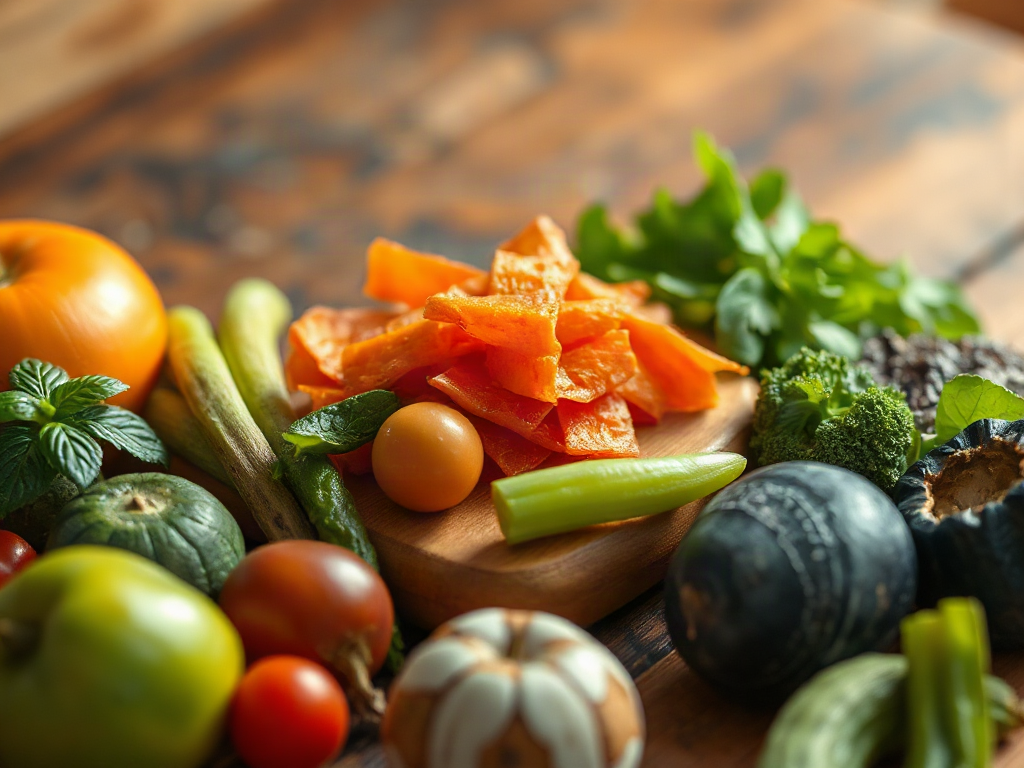
The strongest practical choices combine antioxidant compounds with fiber, protein, unsaturated fats, vitamins, or minerals. Berries offer anthocyanins and vitamin C; dark leafy vegetables provide carotenoids and other micronutrients; beans supply polyphenols alongside fiber and plant protein. Nuts and seeds contribute vitamin E and unsaturated fats, while tomatoes and orange vegetables provide carotenoids in affordable, widely available forms.
No category needs to be exotic. Frozen berries, canned tomatoes, dried lentils, canned beans, cabbage, carrots, and unsweetened tea can fit a limited budget. Frozen produce is especially useful when fresh options spoil before being eaten. Canned vegetables and legumes remain valuable, although choosing lower-sodium products or rinsing beans may suit people monitoring sodium. The useful comparison is not fresh produce versus an imaginary perfect diet; it is a food that will be eaten versus one that will be discarded.
A varied week might include oatmeal with walnuts and berries, lentil soup containing tomatoes and greens, an apple with peanut butter, and a dinner built around beans, roasted vegetables, and a whole grain. Coffee, tea, cocoa, herbs, and spices may add polyphenols, but additions such as large amounts of sugar, cream, or syrup can change the nutritional tradeoff. Dark chocolate contains cocoa compounds, yet it is also energy-dense and should not displace more substantial foods.
Use these categories as a compact priority list:
- Frequently: vegetables, fruit, beans, lentils, whole grains, nuts, and seeds.
- For variety: herbs, spices, tea, coffee, and cocoa-containing foods that fit personal tolerance.
- With perspective: juices, sweetened dried fruit, chocolate products, powders, and concentrated extracts.
Juice illustrates an important tradeoff. It can provide vitamin C and plant compounds, but it generally contains less fiber and is easier to consume quickly than whole fruit. Similarly, an antioxidant powder may be convenient but cannot automatically replace the food matrix, chewing, fiber, and nutrient diversity of a meal. People with allergies, digestive conditions, kidney disease, medication interactions, or individualized dietary restrictions should choose from suitable categories rather than forcing a particular “superfood.”
What Does Human Evidence Actually Show?
Human evidence generally favors dietary patterns rich in plant foods more consistently than it favors isolated antioxidant pills. Observational research often links higher intake of fruit, vegetables, legumes, nuts, and whole grains with better long-term health outcomes. Such studies cannot prove that antioxidants alone produce the association because people eat mixtures of foods and differ in activity, smoking, sleep, income, healthcare access, and many other factors.
Randomized trials of high-dose antioxidant supplements have produced mixed or disappointing results for broad disease prevention. That difference does not mean food antioxidants are useless. It shows that removing one compound from a complex food, delivering it at a pharmacological dose, and giving it to a varied population is not equivalent to eating a balanced diet. Nutrients can interact with one another, and plant foods also influence fullness, gut microbial activity, blood lipids, and meal quality through mechanisms unrelated to direct free-radical neutralization.
Claims based on a short-term change in an oxidation marker also require restraint. A marker measured in blood or urine may show biological activity without demonstrating fewer heart attacks, less cancer, or longer life. Conversely, the absence of a dramatic change in one marker does not capture every effect of a food. Strong interpretation considers the study design, dose, comparison group, duration, participant population, and whether the outcome was clinically meaningful.
Supplements deserve separate judgment from foods. High doses can behave differently from amounts normally obtained through meals, and more is not automatically better. Certain supplements may interfere with medicines, medical treatments, or laboratory testing. Smokers, pregnant people, people receiving cancer treatment, and those with chronic medical conditions should not assume that a concentrated antioxidant product is harmless. A clinician or pharmacist can assess the specific ingredient and dose.
A frequent evidence mistake is turning an association into a treatment promise. Eating berries or broccoli may contribute to a nutritious pattern, but neither should be presented as preventing or curing a disease. The most defensible use of the evidence is to improve food quality over time: replace some refined snacks or heavily processed options with minimally processed plant foods, rather than adding a costly extract to an unchanged diet.
How Do Preparation and Storage Change Antioxidants?
Preparation changes antioxidant compounds in different directions, so “raw is always best” is not supported as a universal rule. Water-soluble vitamin C can decline with prolonged heat and contact with cooking water. Carotenoids in tomatoes and carrots, however, can become easier to access when cooking softens plant cell structures. Adding a modest amount of dietary fat can also make fat-soluble carotenoids easier to absorb from a meal.
Cooking method matters more than a simple raw-versus-cooked label. Steaming, microwaving, roasting, and quick sautéing often limit contact with water or shorten heating time. Boiling can move water-soluble compounds into the liquid, but those nutrients are not necessarily lost if the broth becomes part of a soup or stew. A tomato-and-lentil soup, for example, retains its cooking liquid and combines carotenoids, polyphenols, fiber, and protein in one dish.
Storage creates another practical constraint. Fresh spinach left in the refrigerator until it wilts offers no advantage over frozen spinach used promptly. Frozen produce is usually prepared near harvest and can remain a dependable option. Canning involves heat, which changes some compounds, yet canned tomatoes, pumpkin, beans, and fruit packed without heavy syrup can still contribute useful nutrients. Draining does remove some liquid-based components, while rinsing may reduce sodium in canned beans.
Cutting exposes more surface area to air, and long storage after chopping can reduce sensitive nutrients. The realistic response is not to avoid meal preparation. Prepare quantities that will be eaten within a reasonable period, refrigerate cut produce promptly, and keep frozen items sealed. Retaining edible peels on foods such as apples or potatoes can preserve fiber and compounds concentrated near the skin, provided the produce is washed and the peel is pleasant and safe to eat.
The failure mode is choosing a theoretically optimal method that makes vegetables unappealing. Light roasting may reduce some heat-sensitive nutrients but lead someone to eat far more broccoli than steaming it. Consistent intake, food safety, taste, and total meal quality deserve at least as much attention as small differences caused by preparation.
Building a Realistic Antioxidant-Rich Diet
A realistic approach begins by improving the foods already eaten rather than creating a separate antioxidant regimen. At breakfast, add fruit or nuts to oats or yogurt. At lunch, include beans, leafy vegetables, tomatoes, or cabbage. At dinner, aim for more than one plant color when convenient, such as roasted carrots with greens or tomato sauce with mushrooms and lentils. These changes increase dietary diversity without requiring precise antioxidant calculations.
Use frequency and replacement as progress signals. A useful plan might replace a sweetened snack with fruit and nuts several times a week, add beans to two familiar meals, and keep frozen vegetables available for rushed evenings. Signs that the approach is working include less produce waste, a wider rotation of plant foods, meals that remain satisfying, and habits that fit the household budget. Constant hunger, digestive discomfort, excessive expense, or reliance on powders suggests the plan needs adjustment.
Increase legumes and high-fiber foods gradually if they are new to the diet. Sudden large increases can cause bloating for some people. Smaller portions, thorough cooking, rinsing canned beans, and steady fluid intake may make the transition easier. People who must limit potassium, fiber, vitamin K, or particular foods because of a medical condition need individualized choices; a broad recommendation to eat more produce may not account for those constraints.
A simple shopping check can keep priorities clear:
- Choose two or three vegetables that fit planned meals.
- Add two fruits that can be eaten before they spoil.
- Select one legume and one whole grain for substantial dishes.
- Include nuts or seeds if they suit allergy, calorie, and budget needs.
- Buy frozen or canned backups for days when fresh preparation is unrealistic.
The common mistake is adding antioxidant foods without examining what accompanies them. A berry-flavored dessert, sugary tea, or supplement gummy may use antioxidant language while delivering little of the intact food. Check the ingredient list, added sugars, serving size, and the amount likely to be consumed. The durable goal is not maximal antioxidant intake; it is a varied, nutritionally adequate pattern that can be repeated without unnecessary cost or restrictive rules.
Frequently Asked Questions
What foods are naturally high in antioxidants?
Berries, leafy greens, tomatoes, carrots, beans, nuts, seeds, whole grains, herbs, tea, coffee, and cocoa supply different antioxidant compounds. Variety matters more than finding one highest-ranked food.
Are frozen fruits and vegetables less nutritious than fresh ones?
Not necessarily. Frozen produce remains a practical source of nutrients and may be preferable when fresh food would spoil. Preparation, storage duration, and whether the food is actually eaten matter more than the label alone.
Do antioxidant supplements provide the same benefits as food?
No equivalent benefit should be assumed. Supplements deliver isolated, sometimes high doses without the fiber and food matrix found in meals, and broad prevention trials have not consistently matched associations seen with plant-rich diets.
Does cooking destroy antioxidants?
Cooking reduces some heat-sensitive compounds but can make others, including certain carotenoids, more accessible. Short cooking methods and using cooking liquid in soups can limit avoidable losses.
Can antioxidant-rich foods prevent disease?
They may contribute to a health-supportive dietary pattern, but an individual food should not be treated as disease prevention or therapy. Health outcomes reflect the wider diet, lifestyle, medical risks, and access to appropriate care.
Conclusion
Antioxidant value is most useful as a reason to eat a broader range of minimally processed plant foods, not as a contest between individual ingredients. Build meals around vegetables, fruit, legumes, whole grains, nuts, and seeds that suit taste, budget, and medical needs. Use frozen and canned options when they reduce waste, and choose cooking methods that make those foods enjoyable enough to eat regularly.
Treat laboratory rankings, supplement claims, and disease-prevention promises cautiously. The evidence is more dependable for varied dietary patterns than for isolated high-dose products. A sensible next step is to review a typical week, identify one plant-food category that is missing, and add it through a familiar meal. Anyone considering concentrated supplements alongside medication, pregnancy, chronic illness, or medical treatment should first discuss the specific product and dose with a qualified healthcare professional.