
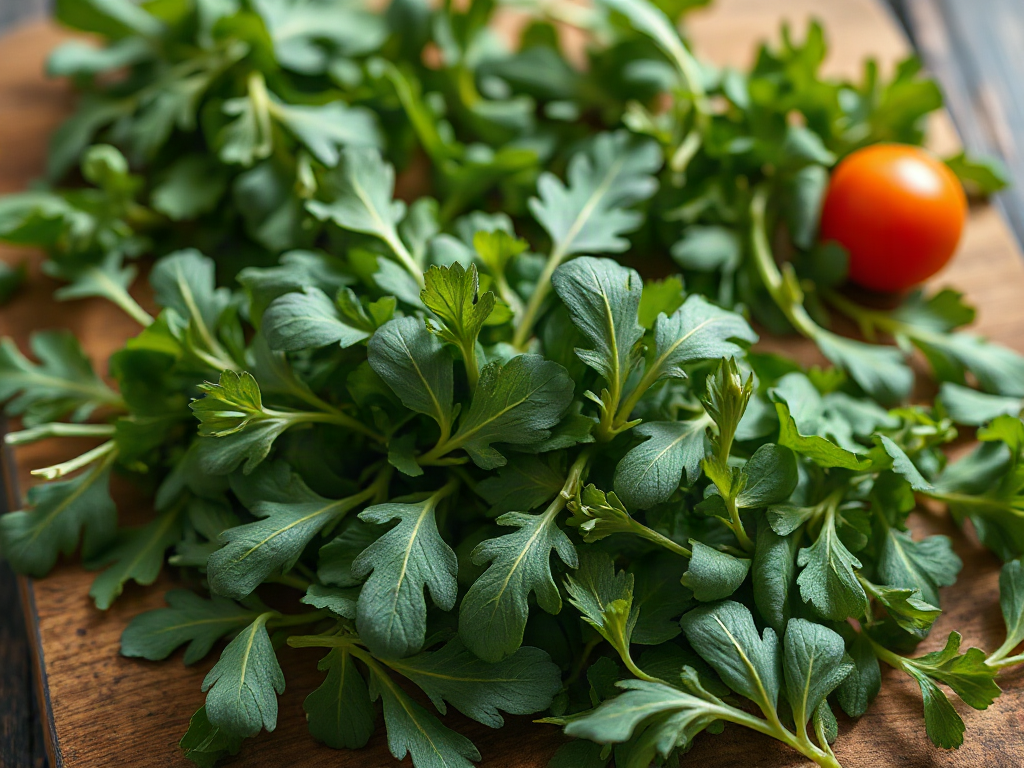
Arugula nutrition combines vitamin K, folate, vitamin C, carotenoids, and naturally occurring nitrates in a leafy green that fits comfortably into everyday portions. About one to two loose cups of raw arugula is a practical serving for salads, sandwiches, bowls, or cooked dishes, although no single amount is required for health. Oral bacteria help convert dietary nitrate into compounds involved in normal blood-vessel signaling, but the effect varies with the overall diet and individual health. Arugula is best treated as one vegetable among many, while people using warfarin or managing conditions affected by potassium or nitrate intake should seek individualized clinical advice.
What Nutrients Does Arugula Provide?
Arugula is a low-energy leafy vegetable whose strongest nutritional contribution comes from micronutrients and plant compounds rather than protein, fat, or calories. It provides vitamin K, folate, vitamin C, beta-carotene and related carotenoids, along with smaller amounts of calcium and potassium. Its peppery flavor comes from compounds associated with the cruciferous vegetable family, which also includes broccoli, cabbage, kale, and watercress.
The amount eaten changes how much nutritional value arugula adds. A few decorative leaves on a pizza contribute less than a bowl containing two generous handfuls, while cooked arugula becomes more concentrated by volume as it wilts. This distinction matters when comparing serving descriptions: a cup of raw leaves is light and loosely packed, whereas a cup of cooked greens represents considerably more starting material.
Vitamin K is especially relevant because leafy greens can make a meaningful contribution even when their portions look modest. The vitamin participates in normal blood clotting and bone-related processes. People taking warfarin should not assume they must eliminate arugula, but sudden shifts from rarely eating greens to consuming large amounts can complicate medication management. A consistent pattern discussed with the prescribing clinician is generally more useful than alternating between avoidance and very large servings.
Arugula should not be judged as a complete nutritional package. It supplies little energy and is not a substantial protein source, so an arugula-only salad may leave a person hungry. Pairing it with lentils, eggs, fish, chicken, tofu, beans, nuts, seeds, or whole grains creates a more complete meal. A salad with arugula, chickpeas, tomatoes, olive oil, and whole-grain bread, for example, offers more staying power than greens dressed only with vinegar.
A common mistake is treating a single nutrient-dense green as a substitute for vegetable variety. Spinach, romaine, cabbage, herbs, broccoli, peppers, and orange vegetables contribute different nutrient profiles and textures. Arugula earns its place through flavor and nutrient density, but rotation is more sensible than making it the only vegetable eaten each day.
How Do Arugula Nitrates Work?
Arugula naturally accumulates nitrate from the soil, as do beetroot, spinach, lettuce, celery, and several other vegetables. Dietary nitrate is not the same thing as a synthetic performance supplement or a cured-meat ingredient considered in isolation. The food source matters because vegetables deliver nitrate within a mixture of water, vitamins, minerals, fiber, and phytochemicals.
After nitrate is absorbed, some circulates into saliva. Bacteria in the mouth can convert it to nitrite, which may then contribute to nitric-oxide-related signaling in the body. Nitric oxide is involved in the normal regulation of blood-vessel tone and blood flow. That pathway explains scientific interest in nitrate-rich vegetables, but it does not establish that a particular bowl of arugula will produce a predictable medical or athletic result.
Nitrate content is variable. Plant variety, growing conditions, season, light exposure, fertilizer practices, storage, and preparation can all influence the amount present. Two packages of arugula may therefore differ even when their labels and serving sizes match. This variability is why precise nitrate dosing cannot reliably be inferred from cups of supermarket leaves.
Preparation introduces another tradeoff. Eating arugula raw preserves its crisp texture and makes a larger-looking portion easy to serve. Cooking reduces volume and may make more leaves practical to eat, although boiling can move some water-soluble compounds into the cooking liquid. Briefly wilting arugula into beans, pasta, or soup keeps preparation simple; retaining the liquid in a soup or sauce also retains compounds that have moved into it.
Antibacterial mouthwash may temporarily alter the oral bacteria involved in nitrate conversion, but that observation is not a reason to abandon clinically necessary dental care. Oral hygiene decisions should be based on dental needs rather than attempts to maximize a food pathway. Likewise, nitrate-rich vegetables should not replace prescribed blood-pressure treatment or professional evaluation of cardiovascular symptoms.
The practical priority is the food pattern: use arugula and other nitrate-containing vegetables regularly if they suit the diet, without expecting supplement-like precision. Anyone with a health condition requiring controlled intake, or anyone considering concentrated nitrate products, should distinguish ordinary food portions from standardized extracts and seek appropriate clinical guidance.
How Much Arugula Is an Everyday Portion?
One to two loose cups of raw arugula is a workable everyday portion for many adults, but it is a culinary range rather than a medical prescription. A smaller handful can add bite to a sandwich, while two cups can form the base of a side salad. Appetite, total vegetable intake, medication use, digestive tolerance, and the rest of the meal are more relevant than hitting an exact number.
| Use | Practical raw amount | What to expect |
|---|---|---|
| Sandwich or toast | Small handful | Peppery flavor with limited meal volume |
| Side salad | About 1–2 loose cups | A substantial serving once other vegetables are added |
| Grain or bean bowl | About 1 cup | Leaves soften slightly against warm ingredients |
| Cooked dish | Two or more raw handfuls | Volume shrinks quickly as the leaves wilt |
Volume measures are inherently approximate because leaves can be packed tightly or left loose. They are useful for assembling a meal, not for calculating an exact nitrate or vitamin dose. A kitchen scale can improve consistency for recipe development, but most people do not need to weigh salad greens for ordinary eating.
More is not automatically better. A very large bowl may crowd out protein, energy-rich ingredients, and other vegetables, particularly for someone with a low appetite. Large raw portions may also cause bloating or discomfort in people who are sensitive to bulky salads. Reducing the portion, chopping the leaves, or lightly wilting them can make arugula easier to incorporate without abandoning it.
Frequency can be flexible. Arugula may appear several times in one week and not at all in another, provided the broader diet contains a range of vegetables. Consistency deserves special attention for people taking vitamin K–sensitive anticoagulants. The concern is usually abrupt intake changes, not the mere presence of a green vegetable, and medication decisions belong with the treating healthcare professional.
Use a simple check when choosing a portion: decide whether arugula is a garnish, a vegetable side, or the base of a meal. Then add the components it lacks. If it is the base, include a meaningful protein source, another colorful vegetable, a source of fat such as olive oil or nuts, and enough carbohydrate or other energy to match personal needs. That approach produces a functional meal rather than an oversized plate of leaves.
How to Use Arugula Without Losing Dietary Variety
Arugula works best when its sharp flavor is balanced rather than hidden. Sweet fruit, roasted vegetables, beans, grains, creamy cheese, nuts, citrus, and olive oil can soften its bitterness. The goal is not to make every dish rich; it is to combine contrasting flavors so the leaves remain enjoyable in realistic portions.
For a quick lunch, place arugula beneath warm lentils or roasted chickpeas, then add tomatoes, olive oil, and lemon. The heat gently wilts the leaves, while the legumes supply protein, carbohydrate, and fiber that arugula cannot provide in meaningful quantities. For breakfast, fold a handful into eggs near the end of cooking. For dinner, stir it into pasta, soup, or a grain bowl immediately before serving.
Raw and cooked forms serve different purposes. Raw leaves provide crispness and visible volume, making them useful when a meal needs freshness. Cooked leaves are better when a large raw salad feels unappealing, the package is beginning to wilt, or a warm meal is preferred. Neither method should be treated as universally superior; alternating them can reduce waste and make regular vegetable intake easier.
Storage affects whether an intended portion is actually eaten. Keep arugula cold, minimize excess moisture, and remove visibly spoiled leaves. If the greens are sold prewashed, follow the package directions rather than assuming additional washing is always needed. Loose or unwashed leaves should be handled with clean hands and rinsed under running water before use. Washing produce can remove dirt but does not make spoiled greens safe.
A compact priority check helps keep arugula in proportion:
- Choose freshness first: look for green leaves without widespread slime, decay, or strong off-odors.
- Match the portion to its role: use a handful as an accent or one to two loose cups as a vegetable serving.
- Build the rest of the meal: add protein, energy, fat, and other produce when arugula is the base.
- Rotate greens: alternate arugula with lettuce, spinach, cabbage, kale, herbs, and other vegetables.
- Check personal constraints: seek tailored advice when medication or a medical diet makes nutrient consistency important.
The approach is failing if arugula repeatedly spoils, causes discomfort in the chosen amount, or produces meals that are too light to satisfy hunger. Buy smaller packages, switch some servings from raw to cooked, or choose a milder green. The most nutritionally impressive vegetable offers little practical value when its flavor, price, or shelf life keeps it off the plate.
Conclusion
Arugula is most useful as a flavorful, nutrient-dense part of a varied vegetable pattern. Use a small handful when it is a garnish or roughly one to two loose cups when it serves as a salad or bowl component, then adjust for appetite, tolerance, and the rest of the meal. Its naturally occurring nitrate is nutritionally interesting, but variable growing conditions make ordinary leaves unsuitable for precise dosing or treatment claims. Build arugula-based meals with protein, sufficient energy, healthy fat, and additional produce rather than relying on greens alone. Rotate raw and cooked preparations to improve enjoyment and reduce waste. If warfarin, a prescribed diet, or a health condition makes consistency important, keep portions reasonably steady and discuss major dietary changes with the relevant healthcare professional.
Frequently Asked Questions
Can you eat arugula every day?
Arugula can fit into a daily diet when it is tolerated and combined with other vegetables. People taking warfarin or following a medically directed diet should ask their clinician whether consistent portions are needed.
Is arugula high in nitrates?
Arugula is recognized as a nitrate-accumulating leafy vegetable, but its concentration varies with cultivation, season, storage, and other factors. A cup measurement cannot establish an exact nitrate dose.
Is raw or cooked arugula better?
Both are useful. Raw arugula offers crispness and volume, while cooking makes a larger quantity easier to eat. Brief cooking or using the cooking liquid can limit avoidable losses of water-soluble compounds.
Does arugula contain much protein?
No. Arugula contributes only a small amount of protein in typical portions. Pair it with beans, lentils, eggs, fish, poultry, tofu, yogurt, nuts, or seeds when building a substantial meal.
Should arugula replace other leafy greens?
No single green supplies every desirable nutrient or plant compound. Rotating arugula with spinach, lettuce, kale, cabbage, watercress, and herbs broadens flavor and nutritional variety.