
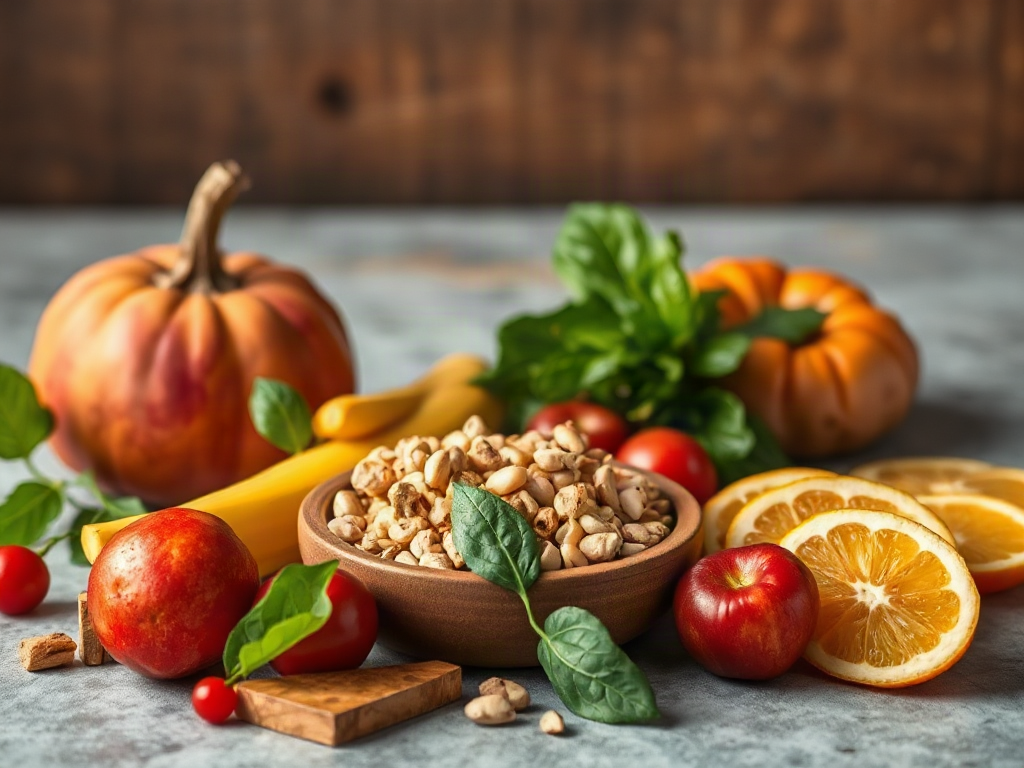
Aphrodisiac foods have limited evidence for directly increasing sexual desire, although some may contribute nutrients, blood-flow compounds, sensory stimulation, or mood effects relevant to sexual function. Oysters provide zinc, watermelon contains citrulline, cocoa supplies flavanols, and pomegranate contains polyphenols, but eating any one of them should not be expected to produce a reliable or immediate response. Alcohol may reduce inhibition while simultaneously impairing arousal and performance. Persistent changes in libido or erectile function warrant attention to medications, stress, sleep, cardiovascular health, hormones, and relationship factors rather than escalating foods or unregulated enhancement supplements.
What Counts as an Aphrodisiac?
An aphrodisiac is generally understood as something claimed to increase desire, arousal, pleasure, or sexual performance, but those are separate outcomes. A person can experience sexual interest without a strong physical arousal response, or adequate physical function without much desire. Food claims become misleading when they treat libido, blood flow, hormone levels, fertility, and erectile function as interchangeable.
The proposed mechanisms usually fall into four categories. A food might provide a nutrient needed for normal reproductive or neurological function, influence vascular function, create a stimulating sensory experience, or affect mood and expectations. Those pathways are biologically plausible, but plausibility is not the same as evidence that a normal serving produces a noticeable sexual effect. Zinc, for example, is necessary for many physiological processes. Correcting a genuine deficiency may matter, yet consuming extra zinc when status is already adequate does not establish an aphrodisiac response.
Context can be more influential than the ingredient itself. A leisurely meal, appealing aroma, shared attention, reduced stress, and positive expectations may increase interest or intimacy. The food is then part of the setting rather than a pharmacologically active treatment. That experience can still be meaningful, but it should not be presented as proof that a particular compound altered hormones or circulation.
A useful way to judge a claim is to identify the promised outcome and its timing. A statement that a food contributes to long-term cardiovascular health is different from a claim that it increases desire within an hour. Acute claims require evidence showing a prompt, repeatable effect in humans. Long-term claims need research connecting sustained intake with the stated outcome rather than merely showing that the food contains an interesting nutrient.
The common mistake is using the word “aphrodisiac” as though it describes one measurable property. Before accepting the label, ask whether the evidence concerns desire, subjective arousal, genital blood flow, erectile function, or general health. That distinction prevents an indirect nutrition benefit from being mistaken for an immediate sexual effect.
Which Foods Have Plausible Evidence?
Several commonly named aphrodisiac foods have plausible nutritional or sensory qualities, but none should be treated as a reliably fast-acting solution. Their strongest case is usually that they fit into a dietary pattern that supports vascular and metabolic health, not that one serving predictably changes libido.
Oysters are frequently associated with sexual desire because they contain zinc and have a longstanding cultural reputation. Zinc is relevant to normal reproductive biology, but the practical benefit depends on a person’s baseline intake and nutritional status. For someone who already obtains enough zinc, a plate of oysters has not been shown to function like a sexual-performance drug. Shellfish allergies, foodborne illness risk, cost, and sodium content may also matter more than the aphrodisiac story.
Watermelon contains citrulline, an amino acid involved in nitric-oxide metabolism and vascular function. That pathway makes it an appealing subject for blood-flow claims. The limitation is dose and translation: the presence of citrulline in food does not demonstrate that a typical portion produces a clinically meaningful change in erectile function. Watermelon remains a hydrating fruit, but calling it “natural Viagra” collapses a complex medical effect into an unsupported comparison.
Cocoa and dark chocolate supply flavanols, while chocolate’s flavor, texture, and cultural associations may improve the experience of a romantic meal. Research on cocoa and vascular markers does not establish a dependable libido effect. Products also vary widely in cocoa content, added sugar, portion size, and processing, so “chocolate” is not a uniform intervention.
Pomegranate, berries, leafy greens, beets, nuts, and olive oil are sometimes promoted through their polyphenols, nitrates, unsaturated fats, or relationship to cardiovascular eating patterns. These foods are more defensible as components of a varied diet than as individual aphrodisiacs. Vascular health matters to sexual function, but an association with healthier circulation over time should not be converted into a same-evening promise.
Chili peppers can cause warmth, flushing, sweating, and a faster-feeling pulse through sensory stimulation. Those sensations can resemble signs of arousal without necessarily increasing desire. A spicy meal may enhance excitement for someone who enjoys it, while causing reflux or discomfort for someone else. The practical choice is therefore preference-based: use these foods for flavor, enjoyment, and nutrition, not as a test of sexual performance.
Why Do Aphrodisiac Claims Often Overreach?
Aphrodisiac claims often begin with a true detail and then extend beyond what that detail demonstrates. A nutrient participates in hormone production, a plant compound affects blood vessels in laboratory work, or a food has a suggestive shape or reputation. Marketing then turns that observation into a promise about desire or performance without showing that ordinary consumption produces the claimed result in people.
Research design presents another problem. Sexual desire and arousal are affected by expectations, privacy, relationship conditions, fatigue, anxiety, medications, health status, and cultural beliefs. Small or short studies may detect a change in a questionnaire without establishing a durable, clinically meaningful effect. Animal experiments and test-tube findings can identify possible mechanisms, but they cannot tell a reader what will happen after dinner.
The difference between whole foods and concentrated products is especially important. Maca, ginseng, yohimbe, horny goat weed, and similar ingredients are often discussed beside foods, although commercial capsules and extracts may deliver concentrated amounts that are unlike culinary use. Evidence for some products is mixed, formulations differ, and supplement quality can vary. A positive finding for one standardized preparation cannot automatically validate every powder, gummy, blend, or beverage bearing the same plant name.
Alcohol illustrates why subjective confidence and physiological performance can move in opposite directions. A drink may reduce inhibition or social anxiety, which can feel like increased interest. Larger amounts can interfere with judgment, consent communication, genital response, orgasm, and erectile function. Treating lowered inhibition as aphrodisiac evidence ignores those tradeoffs and the possibility of medication interactions or problematic use.
Placebo and expectation effects are not imaginary; expectations can change attention, confidence, and perceived sensation. They simply do not prove a specific biochemical claim. If a couple enjoys oysters and chocolate as part of a special meal, the ritual may be worthwhile without needing to attribute the experience to zinc or flavanols.
Signs that a claim is failing include repeatedly increasing the serving or supplement dose, relying on testimonials instead of human evidence, or overlooking a persistent change in sexual function. A sudden or continuing problem may be associated with stress, depression, medication effects, hormonal issues, pain, sleep loss, diabetes, or cardiovascular disease. Food experimentation should not delay appropriate medical evaluation.
How Should You Evaluate Foods and Supplements?
Evaluate an aphrodisiac claim by separating normal food use from treatment claims and then checking whether the evidence matches the promised result. A colorful meal containing seafood, vegetables, fruit, whole grains, nuts, and olive oil can contribute to adequate nutrient intake and cardiovascular health. That is a different proposition from purchasing a concentrated product advertised to create rapid arousal.
Use this compact checklist before spending money or changing your routine:
- Name the outcome. Decide whether the claim concerns desire, arousal, erections, lubrication, orgasm, fertility, or general energy.
- Check the evidence type. Human trials addressing that outcome carry more decision value than folklore, animal research, ingredient theory, or testimonials.
- Compare the tested form and amount. An extract used in research may not resemble a food serving or another brand’s blend.
- Review safety. Consider allergies, pregnancy, health conditions, medications, alcohol use, stimulant exposure, and the risk of undeclared drug ingredients.
- Set a realistic endpoint. Enjoyment or dietary variety is reasonable; a guaranteed immediate response is not.
Whole foods are usually the lower-risk choice when the goal is an enjoyable meal rather than treatment. A practical menu might pair baked salmon or beans with leafy greens, roasted beets, whole grains, berries, and a small portion of dark chocolate. Such a meal supplies protein, fiber, unsaturated fats, and varied plant compounds. Its value lies in nourishment and the dining experience, not a promise that every person will notice a sexual effect.
Products labeled “male enhancement,” “herbal Viagra,” or “instant performance” deserve greater caution. The U.S. Food and Drug Administration maintains notifications about sexual-enhancement products found with hidden drug ingredients. Undeclared substances can create serious interaction risks, particularly for people taking nitrates or other cardiovascular medicines. “Natural” on a label does not verify identity, purity, dose, or compatibility with medication.
Track what is actually happening rather than interpreting every sensation as success. An enjoyable meal, comfortable digestion, better energy, and reduced performance pressure are useful observations. Headache, palpitations, dizziness, gastrointestinal distress, anxiety, or a need for escalating doses are reasons to stop the experiment. New, painful, sudden, or persistent sexual-function changes should be discussed with a qualified healthcare professional. The sensible priority is to identify contributing health, medication, sleep, stress, or relationship factors before assuming that another ingredient will solve the problem.
Conclusion
Food is most useful here as nourishment, pleasure, and part of a setting that supports intimacy—not as a guaranteed switch for desire or performance. Oysters, watermelon, cocoa, pomegranate, beets, and similar choices contain relevant nutrients or plant compounds, yet their proposed mechanisms usually exceed the direct human evidence for an immediate effect.
Prioritize a varied eating pattern, adequate sleep, manageable alcohol intake, medication review, cardiovascular health, and open communication. Treat concentrated sexual-enhancement products more cautiously than ordinary foods, especially when labels promise rapid or drug-like results. If sexual function changes suddenly, persists, causes distress, or occurs with pain or other symptoms, move beyond food experiments and seek qualified medical advice. The sound decision is to enjoy appealing foods for what they reliably offer while keeping health claims proportional to the evidence.
Frequently Asked Questions
Do oysters increase libido?
Oysters provide zinc, but evidence does not show that a serving reliably increases libido in someone with adequate zinc status. Their culinary and cultural associations may contribute more to the experience.
Does dark chocolate work as an aphrodisiac?
Dark chocolate contains cocoa flavanols and can be pleasurable, but it has not been established as a dependable treatment for low desire or sexual dysfunction.
Can watermelon improve erectile function?
Watermelon contains citrulline, which is connected to nitric-oxide metabolism, but a typical serving should not be assumed to produce a medication-like effect.
Are aphrodisiac supplements stronger than foods?
Some supplements are more concentrated, but stronger exposure does not guarantee effectiveness or safety. Formulation differences, interactions, contamination, and undeclared ingredients can increase risk.
When should low libido be discussed with a clinician?
Seek professional guidance when the change is persistent, distressing, sudden, painful, associated with another symptom, or begins after a medication or health change.