
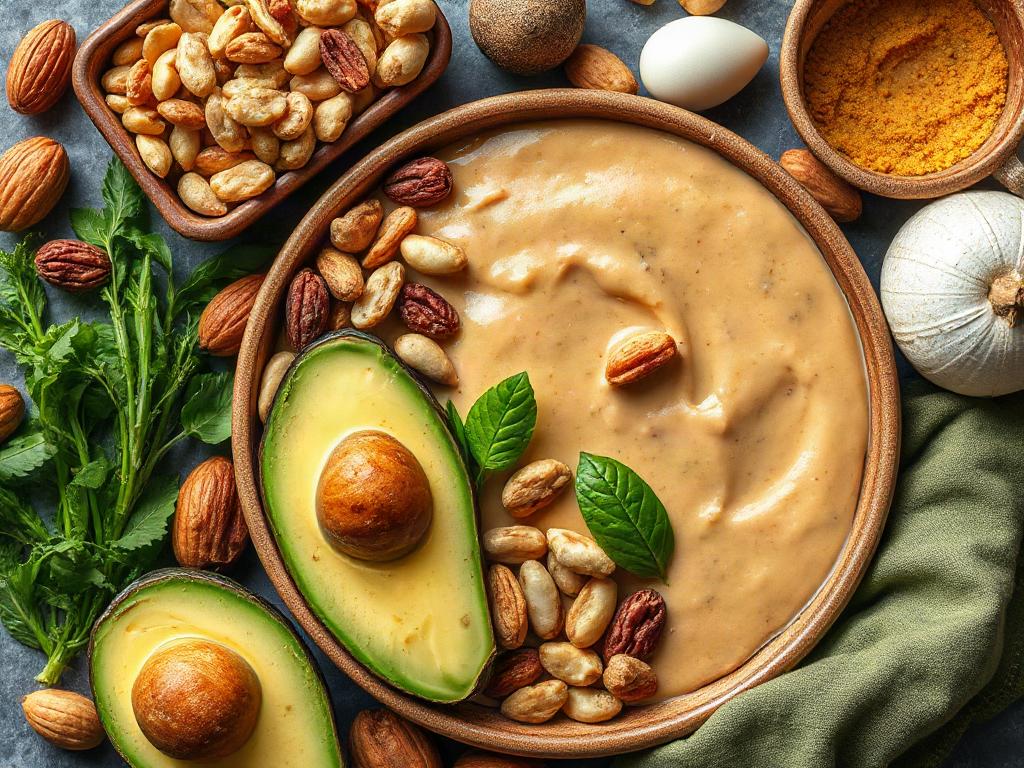
Calorie-dense foods that support weight gain include nuts, seeds, nut and seed butters, avocado, olive oil, full-fat dairy, eggs, legumes, dried fruit, and hearty grains, especially when added to balanced meals. These ingredients increase energy intake without requiring oversized portions, while protein, carbohydrates, fats, and micronutrients help make the gain more nutritionally useful. Add one or two energy-rich ingredients to meals you already tolerate, such as olive oil on vegetables, tahini in a grain bowl, or nut butter with oats. Relying mainly on sweets or fried snacks can raise calories but leave protein, fiber, and food quality inadequate. Persistent unintentional weight loss or poor appetite warrants medical evaluation.
How Calorie Density Makes Weight Gain More Manageable
Calorie density describes how much energy a food provides in relation to its weight or volume. Foods such as oils, nuts, seeds, avocado, cheese, and dried fruit contain more calories per bite than watery vegetables or broth-based dishes. That difference matters for people who feel full quickly, have a small appetite, have demanding activity levels, or find large portions uncomfortable.
Weight gain requires a sustained energy surplus, meaning the body receives more energy than it uses over time. The surplus does not need to come from enormous meals. A spoonful of olive oil added to cooked vegetables, a handful of walnuts mixed into yogurt, or powdered milk blended into oatmeal can raise the energy content of a familiar meal without greatly increasing its physical size. The practical advantage is consistency: modest additions are often easier to repeat than forcing another full plate.
Calorie density is not the same as nutritional quality. Oil and sugar are energy-dense, but they contribute fewer vitamins, minerals, protein, or fiber than a meal built from nuts, dairy, legumes, whole grains, fruit, and vegetables. A useful approach pairs energy-dense ingredients with foods that supply protein and carbohydrates. For example, rice with lentils and avocado is more nutritionally complete than avocado alone, while Greek yogurt with oats, berries, and nut butter offers a different balance of protein, carbohydrate, fat, and fiber.
A common mistake is treating every high-calorie product as equally suitable. Frequent reliance on pastries, fried snacks, or sweetened drinks may increase intake, but it can also displace meals and make digestion, blood sugar management, or appetite control more difficult. The calorie-dense foods that support weight gain should therefore be selected according to tolerance, budget, cooking access, and the nutrients missing from the rest of the eating pattern.
Whole-Food Additions With Useful Calories and Nutrients
Nuts and seeds are among the simplest additions because they combine energy-dense fats with some protein, fiber, minerals, and texture. Almonds, peanuts, walnuts, cashews, pumpkin seeds, sunflower seeds, chia seeds, and hemp seeds can be stirred into oats, blended into smoothies, scattered over salads, or eaten with fruit. Nut and seed butters are especially practical when chewing volume is a barrier. Choose versions with a short ingredient list when possible, and check whether added sugar or large amounts of sodium fit your needs.
Avocado, olives, olive oil, tahini, and other plant-based fats can enrich savory meals without changing their basic structure. Olive oil can be whisked into a bean salad, drizzled over potatoes, or used in a sauce. Tahini adds a dense sesame flavor to hummus, grain bowls, and dressings. These ingredients are useful when someone enjoys normal meal portions but needs more energy per serving. They should not replace all sources of protein or carbohydrate; they work best as additions to a meal that already has a clear nutritional foundation.
Full-fat dairy and fortified alternatives can provide both calories and protein. Whole milk, plain full-fat yogurt, kefir, cottage cheese, and cheese may fit well in meals or snacks, while soy beverages can offer a plant-based option with meaningful protein. Tolerance varies, and unsweetened products may be easier to incorporate without making every meal dessert-like. A person who does not digest lactose comfortably might choose lactose-free dairy or a fortified alternative rather than abandoning calorie-dense options altogether.
Starchy foods also deserve attention. Oats, rice, potatoes, sweet potatoes, whole-grain bread, pasta, quinoa, and corn provide carbohydrate that can support training, daily activity, and meal satisfaction. Dried fruit offers more energy in a smaller portion than fresh fruit because water has been removed, although it is easy to eat quickly. Combining it with yogurt, nuts, or cheese slows the snack and adds protein or fat.
Protein remains a priority during intentional weight gain because a calorie surplus alone does not determine how the added body mass is distributed. Eggs, fish, poultry, tofu, tempeh, beans, lentils, dairy, and meat can anchor meals. A person choosing between a pastry and a peanut-butter-and-banana sandwich may gain calories from either, but the sandwich generally offers more useful protein, fiber, and sustained eating value. Nutrition guidance from government and university sources commonly emphasizes variety rather than dependence on a single “superfood.”
Building Meals That Add Energy Without Excessive Volume
The most workable meal pattern usually adds calories to food the person already eats. Changing every ingredient at once makes it harder to identify what improves appetite and what causes discomfort. Start with a familiar breakfast, lunch, or dinner and add one energy-dense component. Oatmeal can receive milk, banana, ground flaxseed, and nut butter; a bean-and-rice bowl can receive avocado and olive-oil dressing; a sandwich can include cheese and a side of yogurt.
Liquid or semi-liquid options can help when appetite drops before enough food is eaten. A smoothie made with milk or a fortified soy beverage, yogurt, oats, banana, and nut butter can provide substantial energy without the chewing demand of a large meal. Smoothies are not automatically better than solid food: drinking them too close to meals may reduce appetite, and very sweet blends may be difficult for people who need to limit added sugars. Using them between meals often preserves regular eating better than replacing every meal with a drink.
Meal timing can matter as much as ingredient selection. Smaller meals and planned snacks may suit someone who becomes full after a few bites, while a physically active person may tolerate larger meals after exercise. An energy-dense snack might include trail mix, toast with tahini, yogurt with granola, or crackers with hummus and cheese. The best choice is the one that can be prepared, carried, digested, and repeated.
A compact planning sequence can keep the focus on quality rather than random extra calories:
- Anchor the meal: include a protein source such as eggs, beans, tofu, fish, poultry, dairy, or meat.
- Add a starch: use oats, rice, potatoes, pasta, bread, or another carbohydrate that fits appetite and activity.
- Increase density: add nuts, seeds, avocado, cheese, olive oil, tahini, or milk.
- Include produce: choose fruit or vegetables in an amount that supports nutrition without making the plate unmanageably large.
- Review the response: check appetite, digestion, energy, and gradual changes in body weight rather than judging one day.
A common failure mode is adding large amounts of fiber abruptly. Beans, whole grains, seeds, and dried fruit are valuable, but a sudden increase can cause bloating or early fullness. Increase portions gradually, drink fluids according to thirst and medical guidance, and use lower-volume choices such as smooth nut butter or cooked grains when gastrointestinal comfort is limiting. The calorie-dense foods that support weight gain should make eating easier, not turn every meal into a test of endurance.
Common Mistakes, Monitoring, and Safety Considerations
One frequent mistake is measuring success only by the number on the scale. Body weight naturally fluctuates with hydration, digestion, sodium intake, and menstrual cycles, so a single reading says little about the underlying trend. Reviewing weight under similar conditions and considering appetite, strength, clothing fit, and digestive comfort gives a more useful picture. If weight is not changing after a consistent period of increased intake, adding a modest portion of oil, nuts, dairy, or another tolerated ingredient may be more practical than doubling meal size.
Another mistake is ignoring why weight is low or falling. Unintentional weight loss can be associated with dental problems, gastrointestinal symptoms, medication effects, mood changes, difficulty swallowing, infection, or other medical conditions. A calorie-dense eating plan is not a substitute for assessment when weight loss is unexplained, rapid, or accompanied by persistent diarrhea, vomiting, pain, fever, severe fatigue, swallowing difficulty, or marked appetite change.
People with diabetes, kidney disease, liver disease, food allergies, digestive disorders, or a history of disordered eating may need individualized guidance. For example, nuts and dairy may be useful for one person but unsuitable for someone with an allergy, while high-fiber foods may need adjustment for another person with gastrointestinal symptoms. Individuals taking medication that affects appetite or blood sugar should avoid assuming that a large increase in energy-dense foods is harmless.
Food safety also matters when weight gain plans include smoothies, dairy, eggs, meat, or leftovers. Refrigerate perishable foods promptly, wash produce, cook animal foods appropriately, and avoid leaving homemade shakes at room temperature for extended periods. A practical weekly check is simple: identify which meals were skipped, which additions were well tolerated, whether protein appeared regularly, and whether the plan relied too heavily on sweets or packaged snacks. Then change one feature at a time.
Progress does not need to be fast to be meaningful. A sustainable pattern may involve adding one snack or enriching two meals daily, then adjusting according to appetite and response. The calorie-dense foods that support weight gain are most useful when they support consistent eating, adequate protein, comfortable digestion, and a varied overall diet.
Frequently Asked Questions
Which foods add calories without requiring a very large portion?
Nuts, nut butter, seeds, avocado, olive oil, cheese, full-fat yogurt, dried fruit, and smoothies can increase energy intake in relatively small portions.
Are high-calorie foods enough to support healthy weight gain?
Not by themselves. Pair energy-dense ingredients with protein, carbohydrate, produce, and fluids so the overall pattern supplies more than calories alone.
How can someone gain weight when they get full quickly?
Use smaller meals more often, enrich familiar dishes with oils or nut butter, and consider a nutrient-dense snack or smoothie between meals rather than forcing oversized portions.
Can sweets and fried foods be used for weight gain?
They can provide calories, but relying on them may displace protein, fiber, and micronutrient-rich foods. Treat them as occasional additions rather than the main strategy.
When should unexplained weight loss be discussed with a clinician?
Seek medical advice for persistent or unintentional loss, especially when it occurs with pain, vomiting, diarrhea, swallowing problems, severe fatigue, or major appetite changes.
Conclusion
Effective weight gain is usually built by making ordinary meals more energy-dense, not by abandoning food quality. Nuts, seeds, nut butters, avocado, oils, full-fat dairy, eggs, legumes, grains, and dried fruit can raise intake while contributing protein, fats, carbohydrates, fiber, or micronutrients. Add one change at a time, such as oil on vegetables, cheese in a sandwich, or nut butter in oats, and monitor appetite and digestion. Smaller meals and planned snacks may work better than oversized plates for people who fill up quickly. Persistent unexplained weight loss, significant digestive symptoms, or medical conditions that affect food choices call for professional guidance. The next practical step is to enrich two familiar meals and assess the pattern over several days rather than depending on random snack calories.
Related Content
- How to Determine if a Superfood Is Processed: Key Signs and Practical Steps
- How to Choose Superfoods Based on Personal Health Goals: A Strategic Approach to Nutrition
- How To Identify The Right Superfoods For Energy Through Nutrient Density, Meal Fit, And Timing
- What Advanced Recipes Can I Try With Superfoods?
- Superfoods That Support Brain Clarity and Focus Naturally: Top Choices for Enhanced Cognitive Function