
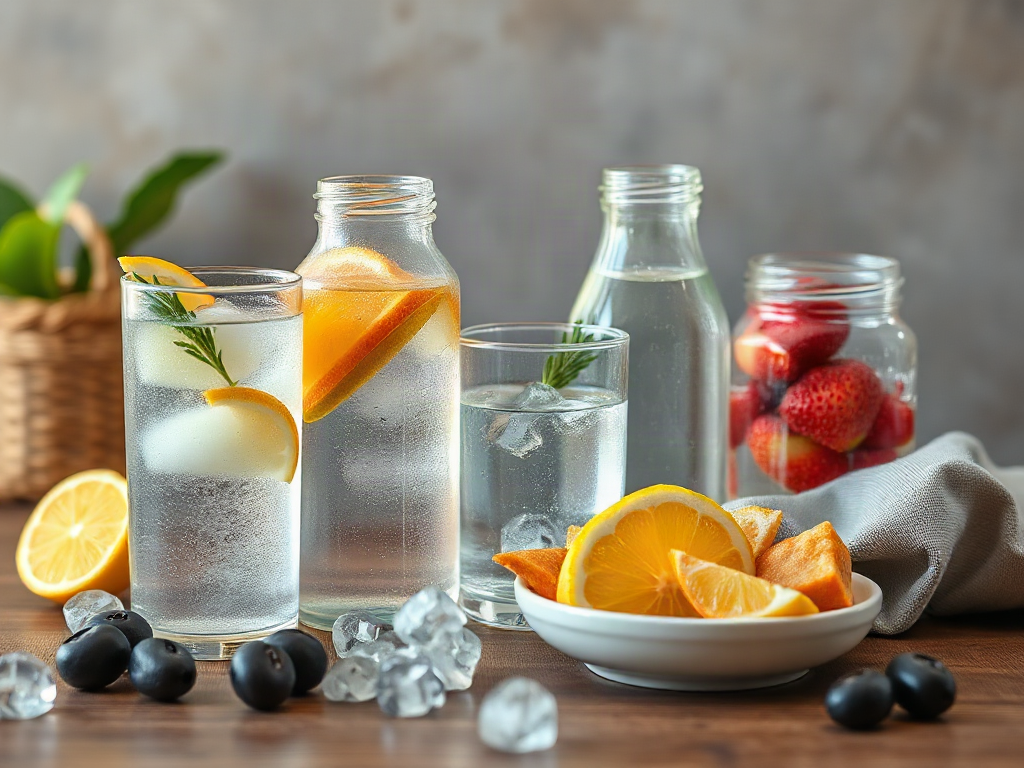
Clear liquid diet foods and hydration choices should provide transparent fluids, modest electrolytes, and enough variety to maintain comfort without leaving solid residue in the digestive tract. Suitable options commonly include water, clear broth, pulp-free apple or white grape juice, oral rehydration solutions, plain gelatin, and ice pops without fruit pieces or dairy. Broth and electrolyte drinks may be more useful than water alone when fluid losses or prolonged restriction are concerns, while sugary drinks can worsen nausea for some people. Avoid milk, smoothies, alcohol, cloudy juices, and any food with pulp or particles unless a clinician gives different instructions. Follow the duration and stopping instructions from the healthcare professional who prescribed the diet.
What Belongs on a Clear Liquid Diet
A clear liquid diet uses liquids that are transparent or nearly transparent at room temperature and leave little undigested material behind. It is commonly prescribed for a limited period before some medical procedures, during recovery from certain gastrointestinal problems, or when temporarily reducing digestive workload is medically appropriate. The reason for the restriction matters: a preparation diet before a procedure may have stricter timing rules than a short-term plan used during nausea.
Appropriate choices usually include plain water, clear broth, strained consommé, pulp-free apple juice, white grape juice, clear lemonade without pulp, tea or coffee without milk, plain gelatin, and ice pops without fruit, cream, or chocolate. Some commercial electrolyte drinks qualify, but their color and ingredient list may matter before a procedure. Red, purple, or strongly colored products may be restricted by a clinic because they can be confused with blood or interfere with visual interpretation.
Transparency is not the only test. A drink can look thin but still contain pulp, seeds, fat, or dairy. Orange juice with pulp, a protein shake, a smoothie, milk, and a blended vegetable drink generally do not fit the usual definition. Broth with floating vegetables or noodles also fails the practical test even though the liquid portion is clear.
A useful check is to read the label and inspect the glass rather than relying on the product name. If it contains milk, cream, fruit pieces, fiber, seeds, or cloudy puree, choose something else unless the prescribing team has specifically approved it. Readers comparing options can use Clear liquid diet foods and hydration choices to keep the permitted list separate from ordinary healthy eating advice.
Choosing Fluids for Hydration and Electrolytes
Hydration depends on both fluid volume and the body’s ability to retain and use that fluid. Water is an excellent basic choice, but drinking only water may be less practical when vomiting, diarrhea, sweating, fasting, or a long restriction period has increased losses of sodium and other electrolytes. Clear broth and oral rehydration solutions can add sodium, while some sports drinks provide fluid and carbohydrates with a different electrolyte balance.
The best choice depends on the situation. Someone drinking normally for a short pre-procedure window may need mostly water and approved clear fluids. Someone losing fluid through repeated vomiting or diarrhea may tolerate small, frequent sips of an oral rehydration drink better than a large glass of plain water. Broth can provide salt and variety, but it may be unsuitable for people who have been given a sodium restriction. Sweet drinks may provide quick carbohydrate but can feel unpleasant or aggravate nausea in some people.
Alternating flavors often makes the restriction easier to maintain. A possible pattern is water between meals, broth for a savory option, diluted approved juice for taste, and an electrolyte drink when fluid losses make it relevant. Small sips every few minutes are often more manageable during nausea than consuming a full cup quickly. Chilling fluids, using ice chips, or choosing a straw may also improve tolerance, although individual responses differ.
Do not assume that “more electrolytes” is always better. People with kidney disease, heart failure, diabetes, fluid restrictions, or prescribed sodium or potassium limits need individualized advice. The same applies to children, older adults, and anyone unable to keep liquids down. The goal is not to optimize a sports-drink formula; it is to follow the medical instructions while maintaining tolerable fluid intake. A simple hydration plan should therefore identify approved drinks, approximate timing, and the symptoms that require a call to the care team.
A Practical Day Plan and Common Mistakes
A clear liquid schedule works better when it is planned before hunger, nausea, or procedure anxiety makes decisions harder. Begin by confirming the permitted start and stop times, then gather several approved options. Keep a transparent drink, a savory liquid, and an approved sweet option available so that one unpleasant flavor does not lead to inadequate intake.
For example, a person on a short-term clear liquid plan might use water or plain tea in the morning, strained broth around midday, pulp-free juice in a small serving later, and an approved electrolyte drink if the clinician has recommended one. Gelatin or an ice pop can provide a different texture without adding solid food. This is not a substitute for individualized instructions: procedure timing, diabetes management, and medication directions may change the schedule.
Several mistakes are especially common. People may count cloudy apple products, coconut milk, blended soups, or collagen drinks as clear because they are liquid. Others choose brightly colored drinks without checking procedure instructions. Drinking a large amount at once can worsen nausea, while consuming only sweet beverages may leave the person feeling queasy and does not provide the variety of a balanced fluid plan.
- Check ingredients: look for pulp, dairy, fat, fiber, particles, and artificial colors restricted by the clinic.
- Use small, regular amounts: this may be easier to tolerate than occasional large servings.
- Include variety: combine water with an approved savory or electrolyte option when appropriate.
- Record what works: noting tolerated drinks and approximate intake helps identify a declining pattern early.
The main tradeoff is comfort versus nutritional completeness. A clear liquid diet is not designed to provide adequate protein, fiber, or full nutrition for an extended period. A person who feels briefly hungry may manage with approved gelatin or juice, but extending the diet independently can increase weakness and delay recovery. Once the care team permits advancement, moving to the recommended next texture is generally more useful than continuing clear liquids for extra “safety.”

When the Diet Is Not Enough
A clear liquid diet should be treated as a temporary medical instruction, not a detox plan or a general weight-loss method. It supplies limited energy and little protein, so the permitted duration and the reason for use should guide expectations. A person preparing for a procedure may need to prioritize compliance with the facility’s written instructions, while someone recovering from illness may need a staged return to food under clinical guidance.
Contact a healthcare professional when fluids repeatedly come back up, urination becomes unusually infrequent or dark, dizziness develops, confusion appears, severe weakness prevents normal activity, or abdominal symptoms worsen. People with diabetes should ask how to manage glucose-lowering medicines and monitoring during restricted intake rather than improvising. Kidney, heart, and liver conditions can also change which fluids or electrolytes are appropriate.
Signs that a plan is working include being able to keep approved liquids down, maintaining a reasonably normal pattern of urination for the individual, and following the prescribed timing without accidental solid residue. Signs that it is failing include escalating nausea, inability to drink enough, worsening pain, faintness, or uncertainty about whether an item is allowed. Those situations call for clarification, not a more restrictive menu.
After the restriction ends, follow the recommended progression rather than jumping immediately to a heavy meal. Depending on the reason for the diet, the next step may involve soft, low-fat foods or a normal meal pattern. The appropriate transition belongs in the same plan as the clear liquids. For more context on reading food labels and distinguishing whole-food ingredients from processed liquid products, see Clear liquid diet foods and hydration choices.
Frequently Asked Questions
Can I drink coffee on a clear liquid diet?
Plain coffee may fit many clear-liquid instructions, but milk, cream, and some flavorings do not. Follow the specific instructions from your clinician or procedure center.
Is juice allowed on a clear liquid diet?
Pulp-free apple, white grape, or cranberry juice is often permitted, while juice with pulp or cloudy blends may not be. Color restrictions may also apply.
Are electrolyte drinks better than water?
Not automatically. Water may be sufficient for a short restriction, while an approved electrolyte drink or broth may be useful with fluid losses. Medical conditions can change that choice.
Can I have gelatin?
Plain gelatin is commonly included if it contains no fruit, cream, or solid pieces. Confirm permitted colors and flavors before a procedure.
How long can I stay on a clear liquid diet?
Use it only for the period prescribed. It is nutritionally limited, so prolonged restriction or difficulty maintaining intake should be discussed with a healthcare professional.
Conclusion
Successful clear-liquid planning depends on matching the drink to the medical purpose, the timing instructions, and the person’s ability to tolerate fluid. Keep water available, add approved broth or electrolyte fluids when they fit the situation, and inspect labels for pulp, dairy, fat, particles, and restricted colors. Small, frequent sips may be easier than large servings, especially when nausea is present. Treat persistent vomiting, faintness, reduced urination, confusion, or worsening pain as reasons to contact the care team. Because clear liquids provide limited nutrition, do not extend the diet or use it for weight loss without medical direction. Follow the prescribed transition back to food rather than assuming that a longer restriction is safer.
Related Content
- Low Residue Diet Food Choices Explained: Foods, Portions, And Meal Examples
- How to Choose Superfoods Based on Personal Health Goals: A Strategic Approach to Nutrition
- How to Adapt Your Superfood Intake During Pregnancy: Essential Nutrients and Safe Choices
- What are advanced techniques in whole food nutrition?
- How to Balance Superfoods with Other Food Groups: Key Foods, Nutritional Strategies, and Practical Tips