
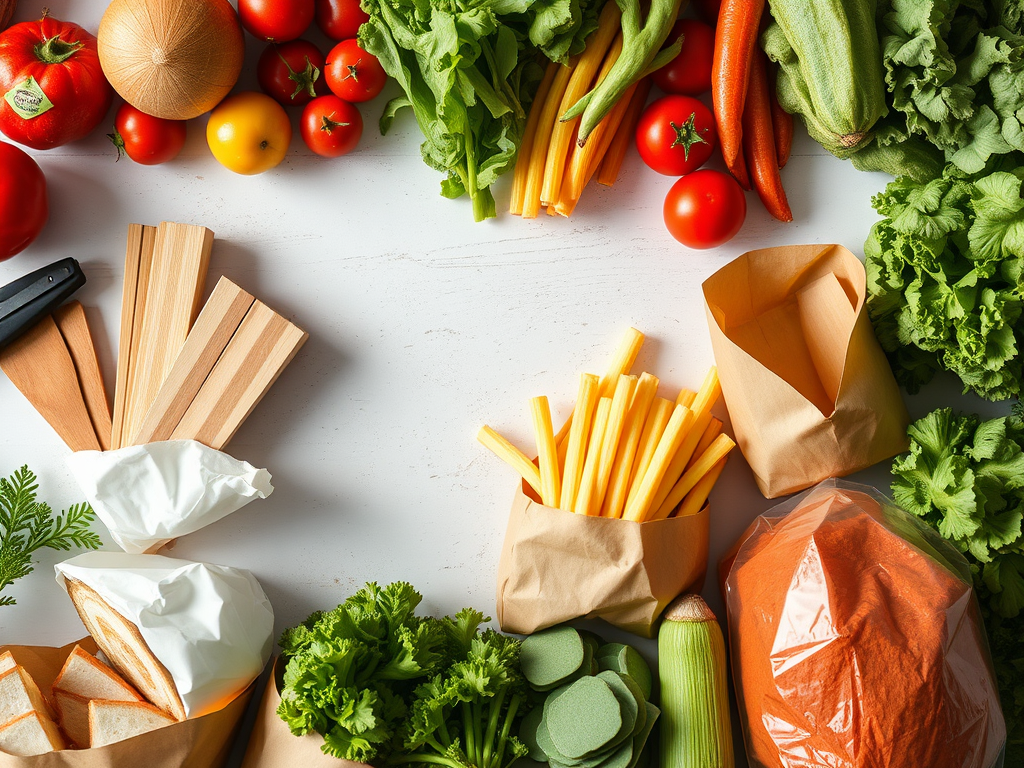
Common barriers to adopting a whole food lifestyle include high costs, accessibility issues, and lack of knowledge. Many individuals find that whole foods can be more expensive than processed options, making budgeting a challenge. Additionally, not all areas have easy access to fresh produce or whole food markets. Furthermore, a lack of understanding about how to prepare and incorporate whole foods into meals can hinder commitment to this lifestyle. Addressing these barriers requires strategic planning, community support, and education on meal preparation.
Understanding the Cost of Whole Foods
One of the most significant barriers to adopting a whole food lifestyle is the perceived high cost associated with whole foods compared to processed alternatives. Whole foods, such as organic fruits and vegetables, can often carry a premium price tag, making it difficult for budget-conscious consumers to prioritize them. The costs can be attributed to several factors, including the labor-intensive nature of organic farming, transportation expenses, and seasonal availability.
To navigate these financial challenges, consumers can explore strategies such as seasonal buying, where they purchase fruits and vegetables that are in peak season, often at lower prices. Community-supported agriculture (CSA) programs also offer an opportunity to buy directly from local farmers, potentially reducing costs while supporting local economies. Additionally, buying in bulk and planning meals around sales can further help in managing the grocery budget.
Accessibility Challenges in Different Regions
Accessibility to whole foods presents another barrier, particularly for individuals living in food deserts—areas with limited access to affordable and nutritious food. In many urban and rural areas, residents may rely on convenience stores that primarily stock processed foods, leaving little room for fresh produce and whole grains.
To overcome these accessibility challenges, individuals can advocate for community initiatives that promote local farmers’ markets or mobile grocery stores that bring fresh produce directly to underserved areas. Additionally, urban gardening and community gardens can empower residents to grow their own food, improving both access and community engagement. Collaborating with local organizations to enhance food distribution networks can also play a significant role in addressing these accessibility issues.
Knowledge Gaps in Meal Preparation
The lack of knowledge about how to prepare and incorporate whole foods into daily meals is a common barrier that many face when transitioning to a whole food lifestyle. Many individuals may not be familiar with cooking techniques or how to properly store and prepare whole foods, leading to frustration and potential waste.
To bridge this knowledge gap, community cooking classes, online tutorials, and recipe-sharing platforms can be valuable resources. Learning how to create simple, nutritious meals using whole foods can empower individuals to make healthier choices. Additionally, engaging with local nutritionists or dietitians can provide tailored advice to help individuals navigate their unique dietary needs while embracing whole foods.
Psychological Barriers and Lifestyle Changes
Psychological barriers, including habits formed around convenience and comfort, can also hinder the transition to a whole food lifestyle. Many people are accustomed to fast food and processed snacks due to their convenience and perceived time-saving benefits. Changing these habits requires a shift in mindset and a commitment to making more intentional food choices.
To facilitate this change, individuals can start by gradually integrating whole foods into their diets rather than attempting an all-or-nothing approach. Setting realistic goals, such as dedicating certain meals each week to whole foods, can make the transition feel more manageable. Additionally, surrounding oneself with a supportive community that shares similar health goals can provide motivation and accountability during this lifestyle shift.

Frequently Asked Questions
What are the most common barriers to adopting a whole food lifestyle?
The most common barriers include high costs, accessibility issues, lack of meal preparation knowledge, and psychological resistance to change.
How can I overcome the cost barrier of whole foods?
Consider buying seasonal produce, participating in CSA programs, and shopping sales or bulk items to reduce costs.
What should I do if I live in a food desert?
Advocate for local farmers’ markets, engage in community gardening, and explore mobile grocery options to increase accessibility.
How can I learn to cook with whole foods?
Join community cooking classes, watch online tutorials, and use recipe-sharing platforms to build your cooking skills with whole foods.
What psychological strategies can help with transitioning to whole foods?
Set gradual goals, create meal plans, and find supportive communities to help motivate and hold you accountable during the transition.