
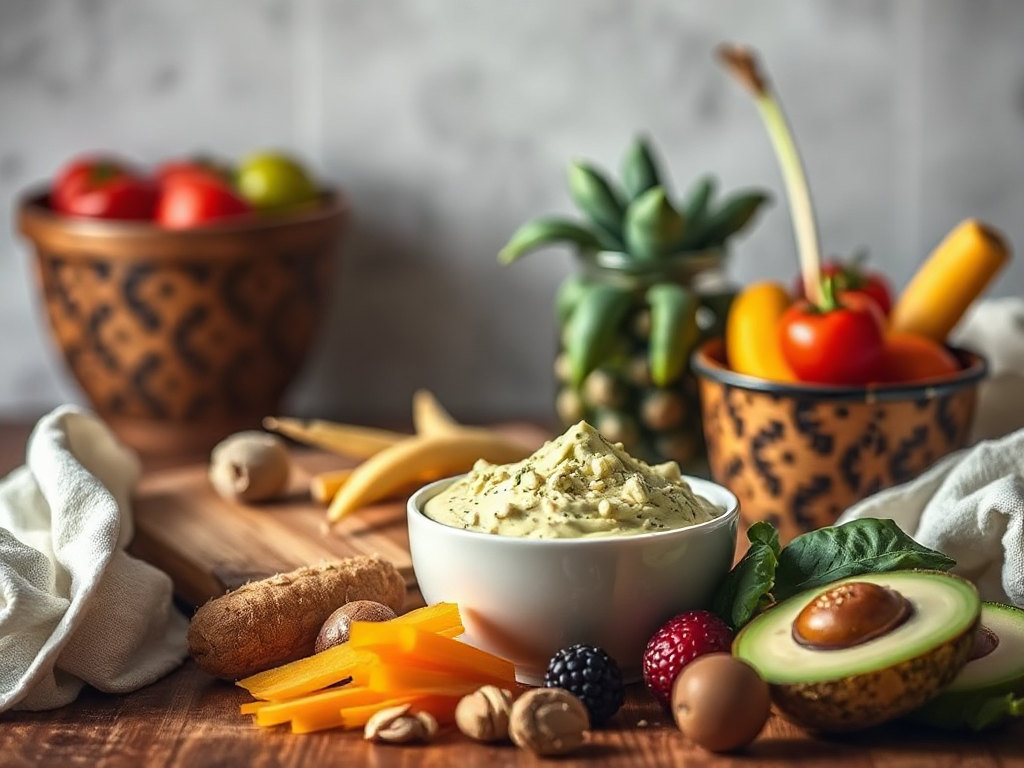
To avoid superfoods that cause inflammation, it's crucial to identify specific foods that may trigger your body's inflammatory response. Common inflammatory superfoods include nightshades like tomatoes and peppers, dairy products for those sensitive to lactose, and processed grains which can spike blood sugar levels. Instead, focus on incorporating anti-inflammatory foods such as leafy greens, fatty fish, and nuts into your meals. Keeping a food diary can help you monitor your reactions to different foods, allowing for more personalized dietary adjustments that promote overall well-being.
Understanding Inflammation and Superfoods
Inflammation is a natural response of the body to injury or infection, but chronic inflammation can lead to various health issues. Superfoods, often marketed for their health benefits, can sometimes trigger inflammation in sensitive individuals. It’s essential to understand the mechanisms behind inflammation and how certain superfoods can contribute to it.
Superfoods are typically rich in nutrients and antioxidants, but they can also contain compounds that may provoke an inflammatory response. For instance, foods high in lectins, gluten, or certain fatty acids can lead to discomfort or inflammation in susceptible individuals. Recognizing how your body reacts to these foods can help you make informed dietary choices.
Identifying Common Inflammatory Superfoods
Certain superfoods are known to cause inflammation in some people. Common culprits include:
- Nightshades: Vegetables like tomatoes, peppers, and eggplants may trigger inflammation in sensitive individuals due to their alkaloid content.
- Dairy Products: While considered a superfood by some, dairy can cause inflammation for those who are lactose intolerant or sensitive to casein.
- Processed Grains: Grains that have been heavily processed, such as white bread and pasta, can lead to increased inflammation due to their high glycemic index.
- Certain Oils: Oils high in omega-6 fatty acids, like corn and soybean oil, can promote inflammation when consumed in excess.
Identifying which superfoods trigger inflammation for you is a personalized process. Keeping a food diary can help track your intake and any subsequent symptoms.
Practical Steps to Modify Your Diet
To avoid superfoods that cause inflammation, consider these practical steps:
- Elimination Diet: Start by eliminating potential inflammatory foods from your diet for a few weeks. Gradually reintroduce them one at a time to see how your body reacts.
- Incorporate Anti-Inflammatory Foods: Focus on foods that are known to reduce inflammation, such as leafy greens, fatty fish rich in omega-3s, nuts, and berries.
- Choose Whole Foods: Prioritize whole, unprocessed foods that are less likely to cause inflammation compared to their processed counterparts.
- Stay Hydrated: Drinking plenty of water can help flush out toxins and support overall health, which can mitigate inflammatory responses.
By making conscious choices about the foods you consume, you can significantly reduce the risk of inflammation.
Monitoring Your Body’s Response
Monitoring your body’s response to dietary changes is crucial. Pay attention to how you feel after eating certain superfoods. Common signs of inflammation can include bloating, joint pain, fatigue, and digestive issues. Keeping a detailed food and symptom journal can help you identify patterns and make necessary adjustments.
Additionally, consider consulting with a healthcare professional or nutritionist who can provide personalized advice based on your specific health needs. They can help you navigate dietary changes safely and effectively.
Frequently Asked Questions
What are superfoods?
Superfoods are nutrient-rich foods considered to be especially beneficial for health and well-being.
How do I know if a superfood is causing inflammation?
Keep a food diary to track your intake and any symptoms that follow to identify potential triggers.
Can all superfoods cause inflammation?
No, not all superfoods cause inflammation; it varies by individual sensitivity and reaction.
What are some anti-inflammatory foods?
Examples include fatty fish, leafy greens, nuts, berries, and olive oil.
Should I consult a doctor about my diet?
Yes, consulting a healthcare professional can help tailor dietary choices to your specific needs.
Conclusion
Understanding how to avoid superfoods that cause inflammation is essential for maintaining optimal health. By identifying specific foods that trigger your body’s inflammatory response and incorporating anti-inflammatory alternatives, you can create a balanced diet that supports well-being. Monitor your body’s reactions and make adjustments as needed, and don’t hesitate to seek professional guidance to ensure your dietary choices align with your health goals.
Related Content
- What To Do If Whole Foods Don’t Fulfill Cravings Through Balanced Meals And Sensory Satisfaction
- No-Carb Foods and Realistic Nutrition Tradeoffs—What to Eat and What You Give Up
- How to Evaluate the Effectiveness of Superfood Diets: Key Metrics and Practical Steps
- How to Navigate Common Misconceptions About Superfoods: Understanding Nutritional Value and Practical Applications
- High-Fiber Foods During Pregnancy Without Digestive Overload: A Gentle 5-Step Eating Plan